



Espresso pressure profiling is a technique that allows baristas to control how water pressure changes throughout the...
Please, visit the correct shop for your location:
USA Site

-
 What is Pressure Profiling and Why Does It Matter for Espresso?Read more2026-04-21
 -
 How to Choose Your First Home Espresso Machine in the UKRead more
Choosing your first espresso machine is simple. Focus on pump pressure, boiler type, ease of use, and consistency....
2026-04-21 -
 Single Boiler vs Dual Boiler vs Heat Exchanger: Which Espresso Machine is Right for You?Read more
Choosing between single-boiler, heat-exchanger, and dual-boiler espresso machines comes down to how you brew, your...
2026-04-17 -
 Which Eureka Mignon coffee grinder is the one for you?Read more
In this article we compare the main Eureka Mignon models, from the most entry-level to one designed for those seeking...
2025-05-26 -
 Spring cleaning? It's the perfect time to clean your coffee equipment, tooRead more
Spring is in the air, bringing the desire to renovate, tidy and... clean! Besides sprucing up your home and closets,...
2025-04-03 -
 Different types of group heads: complete guide to help you choose the right espresso machineRead more
When choosing an espresso machine, the group head is one of the most important components to consider. It plays a key...
2025-03-19 -
 Celebrate Espresso Martini Day with one of the most beloved cocktailsRead more
Espresso Martini is one of the most iconic and beloved cocktails among coffee and mixology enthusiasts.
2025-03-13 -
 The first store Espresso Coffee Shop in Italy!Read more
We are excited to announce the opening of our Temporary Shop in Milan, an must-visit meeting point for all coffee...
2024-11-28 -
 5 essential spare parts to keep your espresso machine at the top of its gameRead more
5 spare parts that, in our opinion, every home barista should have on hand to keep the performance of the espresso...
2024-10-15 -
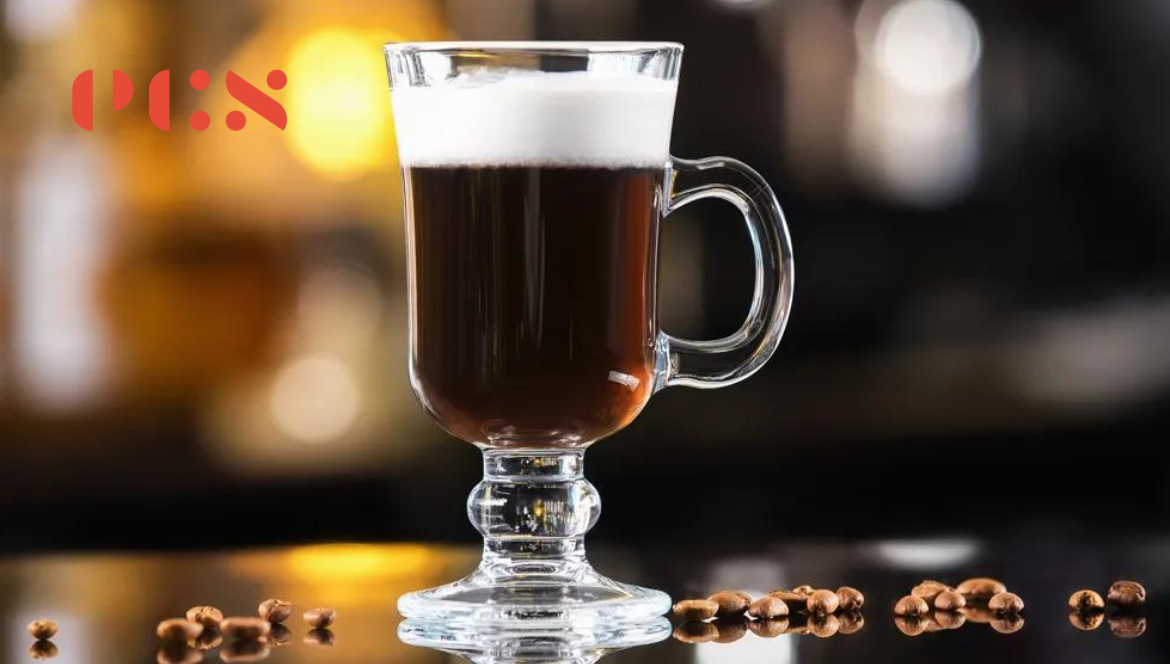 Celebrating St. Patrick's Day with Irish Coffee: an easy step-by-step preparation guideRead more
St. Patrick's Day is the perfect time to celebrate with a classic Irish drink: Irish Coffee. Here's how to make...
2024-09-13
Blog categories
Search in blog
Single Boiler vs Dual Boiler vs Heat Exchanger: Which Espresso Machine is Right for You?
If you're comparing single-boiler, dual-boiler, and heat-exchanger espresso machines, here are the key differences. Single-boiler machines require you to choose between brewing and steaming and need time to adjust the temperature. In contrast, dual-boiler machines let you brew and steam simultaneously, with stable, independent temperatures. Similarly, heat-exchanger machines also allow brewing and steaming together, though temperature management is less precise and requires extra steps. Ultimately, your choice directly affects heat-up time, workflow, temperature consistency, and cost.
What Is a Single-Boiler Espresso Machine?
How Single Boiler Machines Work
A single-boat machine uses a single boiler for all tasks. It heats water to brew espresso, then increases pressure for milk steaming. Transitioning takes one to three minutes, depending on the machine. You cannot brew and steam at the same time.
Who the Single Boiler Is Best For
The single-boiler espresso machine opens the door to home espresso for enthusiasts on a budget. If you typically whip up one or two drinks at a time, a single boiler makes a reliable and satisfying companion. It's perfect if you savour espresso on its own or as an Americano, or if you want to really hone your extraction skills before adding milk.
Machines such as the Profitec Go follow this beloved design and have loyal fan bases. Equipped with a PID temperature controller, these machines can churn out espresso that rivals much pricier models. The catch? You’ll wait between pulling a shot and steaming milk, a small price for most, though it can slow things down if you’re making lattes or cappuccinos for a crowd.
With that in mind, let's transition to heat exchanger espresso machines and explore their unique advantages over single-boiler models.
How the HX System Works
A heat exchanger (HX) is a type of boiler, alongside single-boiler and dual-boiler, which defines a distinct category of espresso machines. HX machines use a single boiler kept at a steam temperature, with a separate copper or brass tube running through it. Cold water passes through this tube and picks up heat on its way to the group head, reaching a lower, brew-appropriate temperature without the boiler itself dropping from steam pressure.
The main advantage of the HX system is its ability to steam milk and brew espresso simultaneously, thanks to its unique design. This means you do not have to switch modes or wait between steps. The boiler maintains steam temperature, and the HX tube delivers water heated to precisely the right temperature for espresso, making preparation faster and more convenient, especially when making milk-based drinks for several people.
Who the Heat Exchanger Machine Is Best For
The HX design sits in a well-defined middle ground. It is often considered the best boiler type for home espresso when your needs fall between entry-level and professional. Machines like the Rocket Appartamento TCA, the Lelit Mara X, and the Profitec Pro 400 use this system. They are popular in households that make multiple drinks per session.
The main limitation of a heat exchanger compared to a dual-boiler machine is its inability to manage temperature as precisely. While both allow simultaneous steaming and brewing, many HX machines feature an E61 group head that uses thermosiphonic circulation and requires a cooling flush before each shot to avoid overheated water, an extra step not needed with dual-boilers. Most HX users quickly incorporate this into their routine workflow.
With heat exchanger systems explored, we can now shift focus to dual-boiler espresso machines and their unique strengths.
How Dual Boiler Machines Work
A dual boiler machine maintains two completely separate boilers. One is dedicated to brew temperature. The other is for steam. Each boiler has its own PID controller. This lets both boilers be set and maintained at independent, precise temperatures simultaneously.
This design means there is zero compromise: you can steam milk and pull a shot simultaneously, with the brew boiler temperature remaining stable even during peak steam demand.
HX vs Dual Boiler: The Real Difference
When comparing HX and dual-boiler machines, the core difference is that dual-boiler machines offer tighter temperature control and true, consistent simultaneous operation, with no cooling flush required. HX machines offer simultaneous use but require manual temperature management. Dual-boilers are standard in commercial settings, and home models like the Rocket R58 Tune, the ECM Synchronika II, and the Profitec Drive bring this precision to the kitchen.
Ultimately, your choice depends on your priorities. Dual-boiler machines offer precision and true simultaneous operation, while HX units provide a balance of convenience and cost for many home users. Consider your budget, available space, and workflow preferences when making your decision.
How to Choose the Best Boiler Type for Home Espresso
A Decision Framework by Use Case
When choosing a boiler type for home espresso, consider three factors: the number of drinks you make per session, the importance of milk steaming in your daily routine, and your willingness to invest in features versus cost-effectiveness. Clearly identifying your preferences in these areas will guide you toward the best machine for your needs.
Choose a single-boiler with a PID if you mainly drink black espresso or Americanos and want to prioritise budget. This option delivers excellent espresso for years without significant trade-offs.
Opt for a heat exchanger if you make milk-based drinks regularly and want to steam and brew with minimal delay. The cooling flush (on E61-equipped models) quickly becomes routine, and espresso quality remains high.
Select a dual-boiler machine if you want the smoothest workflow, independent temperature control, and plan to pursue precise espresso work. This setup removes the limitations of other designs and is commonly recommended for dedicated home baristas.
Single Boiler vs Dual Boiler vs HX: Quick Comparison
The table below summarises the practical differences across all three systems.
|
Simultaneous brew and steam |
No |
Yes |
Yes |
|
Temperature stability |
Good with PID |
Requires a cooling flush ((on E61 models) |
Excellent |
|
Startup time |
Short to medium |
Medium |
Longer |
|
Typical price range |
Entry to mid |
Mid to high |
High to premium |
|
Best for |
Solo espresso drinkers |
Multi-drink households |
Precision home baristas |
Frequently Asked Questions:
Q: Is a heat exchanger espresso machine good for beginners?
A: An HX machine works well for beginners, though it has a steeper learning curve than single-boiler designs. Many HX machines have an E61 group head requiring a cooling flush before pulling a shot. Beginners who enjoy milk drinks and are willing to learn temperature management will do well with an HX.
Q: Can you upgrade a single boiler machine to improve temperature stability?
A: Some single-boiler machines come with a built-in PID temperature controller, or are available from the manufacturer in a PID-equipped version. A PID replaces a basic thermostat with a digital system that monitors and adjusts water temperature in real time, improving shot-to-shot consistency. We do not recommend attempting aftermarket PID modifications yourself, as DIY electrical work on espresso machines can be dangerous and will void your warranty. If temperature stability is a priority, we recommend choosing a machine with a factory-installed PID.
Q: What is the main advantage of a dual boiler over a heat exchanger?
A: The main advantage is true simultaneous operation with independent temperature control. A dual boiler eliminates the need for a cooling flush. It allows both brew and steam boilers to be set to specific temperatures with separate PID controllers. This gives the user precise, repeatable control over every variable.
Q: How long does a dual boiler espresso machine take to heat up?
A: Most dual-boiler machines reach operating temperature in 20 to 35 minutes. Some users put machines on a smart plug timer to begin heating before they wake up. This is longer than most single-boiler machines. It is a standard trade-off for the thermal stability that dual boilers provide.
Q: Which boiler type is most energy-efficient at home?
A: Single-boiler machines consume the least energy, since they maintain only one boiler at operating temperature. Heat exchanger machines run their boilers continuously at a given steam temperature, which requires more power. Many include an eco or standby mode. Dual-boiler machines use the most electricity during heat-up. However, they are comparable to HX machines during idle operation once both boilers are stable.
Related posts
-
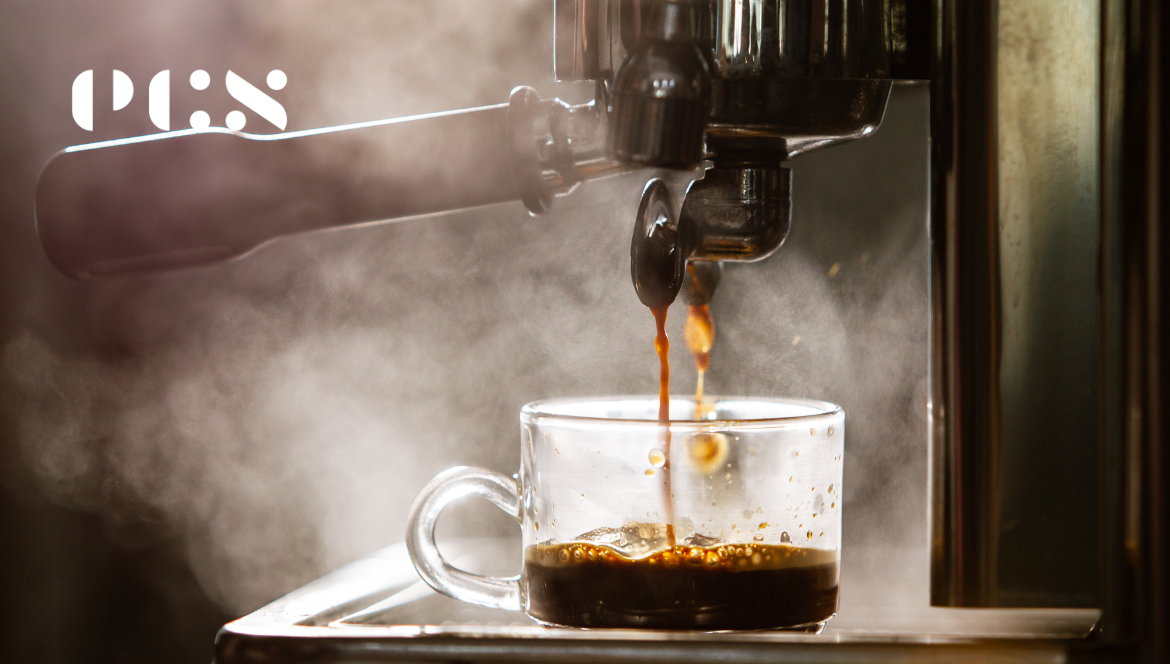 Understanding Espresso Machines: Single Boiler, Dual Boiler, and Heat Exchanger Models
Choosing the right espresso machine can elevate your coffee experience to new heights. At Espresso Coffee Shop we...Read more
Understanding Espresso Machines: Single Boiler, Dual Boiler, and Heat Exchanger Models
Choosing the right espresso machine can elevate your coffee experience to new heights. At Espresso Coffee Shop we...Read more -
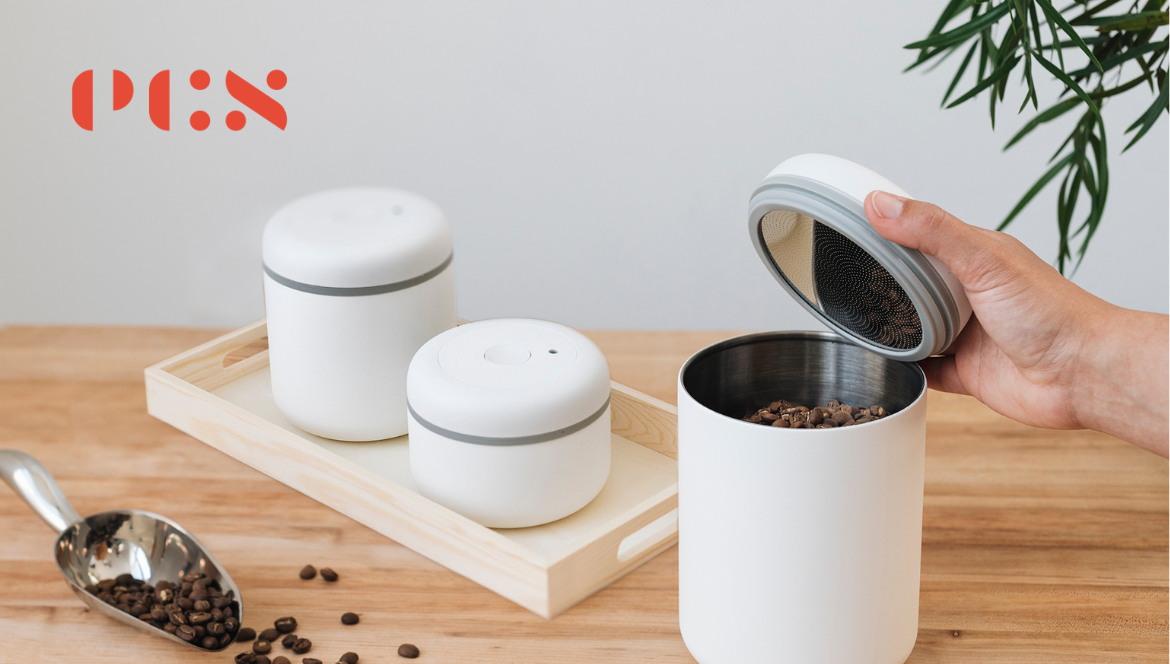 How to properly store coffee
If you, too, are a true coffee enthusiast, meticulously selecting the varieties you like best and eagerly...Read more
How to properly store coffee
If you, too, are a true coffee enthusiast, meticulously selecting the varieties you like best and eagerly...Read more -
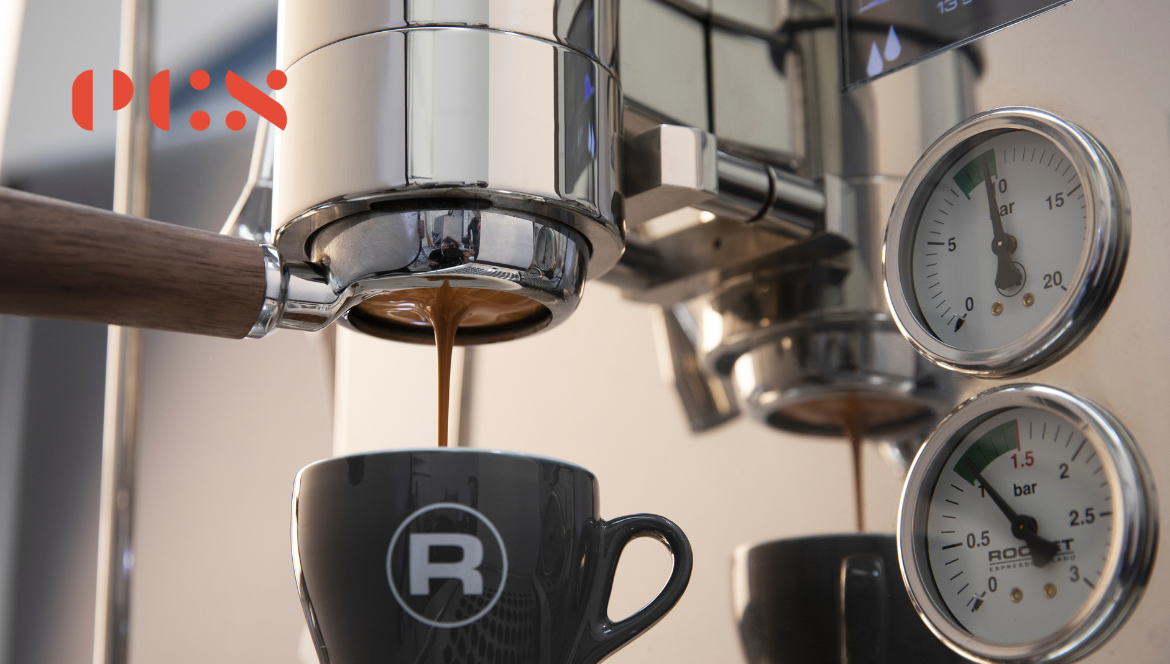 Bottomless portafilter? Here are the aspects to be considered
The search for the perfect espresso is a long road, and there are several tools that can help achieve the perfect...Read more
Bottomless portafilter? Here are the aspects to be considered
The search for the perfect espresso is a long road, and there are several tools that can help achieve the perfect...Read more -
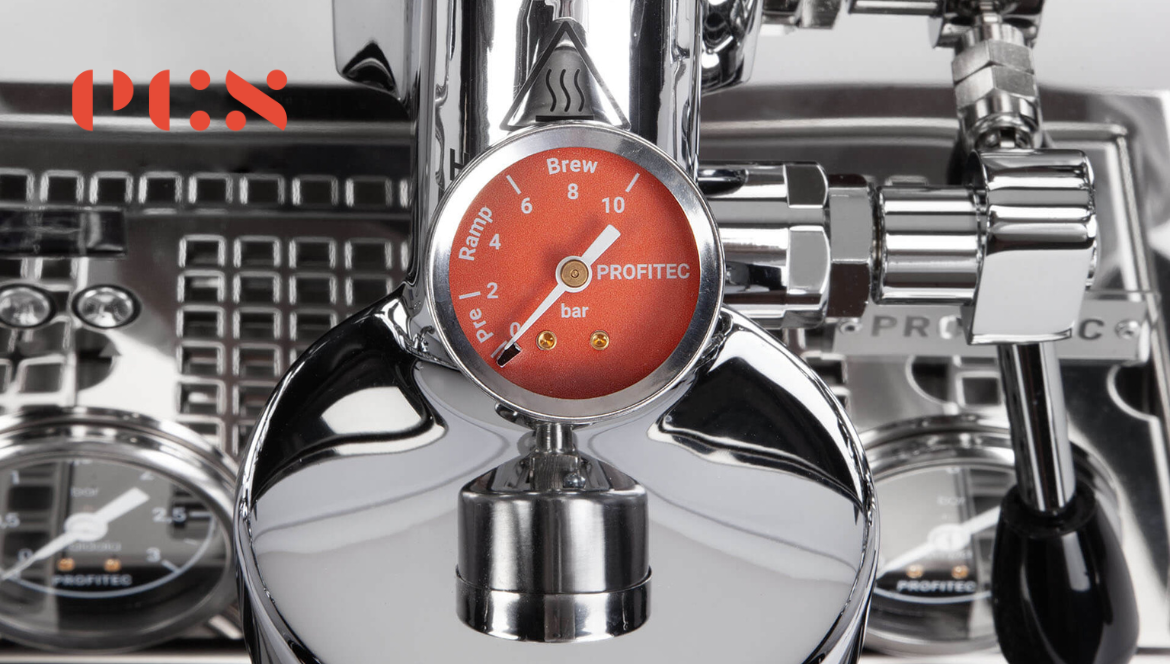 PROFITEC DRIVE: the home machine with professional performance
Drive is the most recent entry in the Profitec household and the evolution of the already highly appreciated Pro 700....Read more
PROFITEC DRIVE: the home machine with professional performance
Drive is the most recent entry in the Profitec household and the evolution of the already highly appreciated Pro 700....Read more -
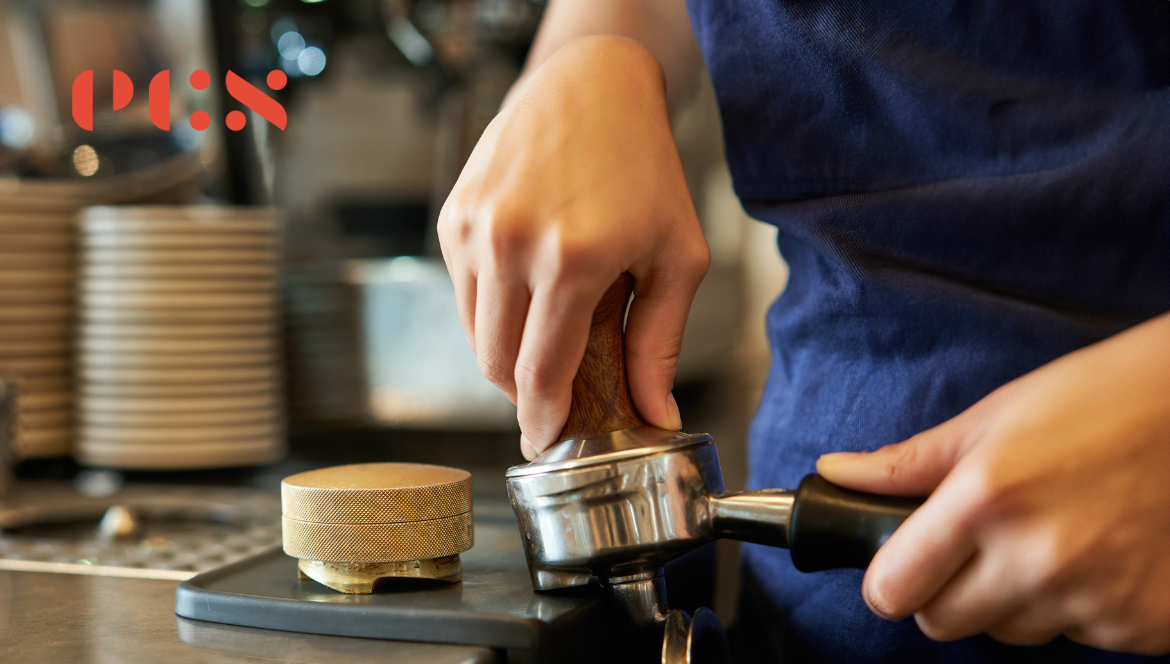 All about a good tamping
To make good coffee, it is important to have the right equipment, quality coffee and not only. It is also necessary...Read more
All about a good tamping
To make good coffee, it is important to have the right equipment, quality coffee and not only. It is also necessary...Read more
Leave a comment