



The Profitec Go has earned its place as our top-selling espresso machine by striking the right balance between...
Please, visit the correct shop for your location:
USA Site

-
 Why the Profitec Go is our best-selling espresso machine and why customers love itRead more2026-09-29
 -
 Eureka grinders: the Italian craftsmanship behind some of the quietest grinders on the marketRead more
Eureka has spent over a century refining the art of Italian grinder engineering, and quiet operation is where that...
2026-09-28 -
 Why Lelit has become a go-to brand for home espresso enthusiasts worldwideRead more
Lelit has earned its place among the world's most trusted home espresso brands by combining genuine Italian...
2026-09-28 -
 Single Dose Grinders: Why They're Taking Over the Home Barista WorldRead more
Single-dose grinders are reshaping how home baristas think about freshness. Instead of loading a hopper and grinding...
2026-09-24 -
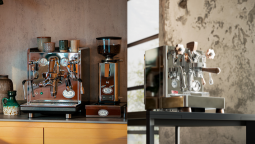 Lelit Bianca vs ECM Synchronika: Which PID Dual Boiler Wins?Read more
Choosing between the Lelit Bianca and ECM Synchronika can be difficult for home baristas looking for a high-end PID...
2026-08-27 -
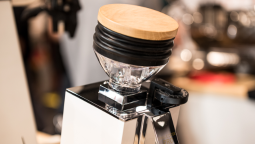 Single Dose vs. Hopper Grinding: Which Setup Suits Your Home Coffee Routine?Read more
Single-dose and hopper grinders suit different home coffee routines. A single-dose grinder is ideal for coffee...
2026-08-27 -
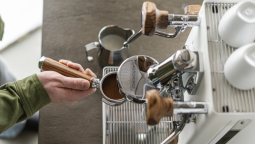 Understanding Group Heads: E61, Saturated & Thermosyphon ExplainedRead more
E61 group head explained how it works, plus saturated and thermosyphon designs compared, so you can choose the right...
2026-08-24 -
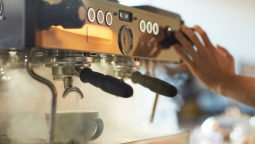 Commercial Espresso Machine Buyers Guide for UK Cafés and RestaurantsRead more
A UK buyer's guide to choosing the right commercial espresso machine boiler types, key features, costs, and matching...
2026-08-21 -
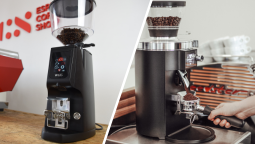 Mahlkönig E65S vs Eureka Atom: Commercial Grinder ShowdownRead more
Compare the Mahlkönig E65S and Eureka Atom to find the right grinder for your café or home setup. This guide covers...
2026-07-15 -
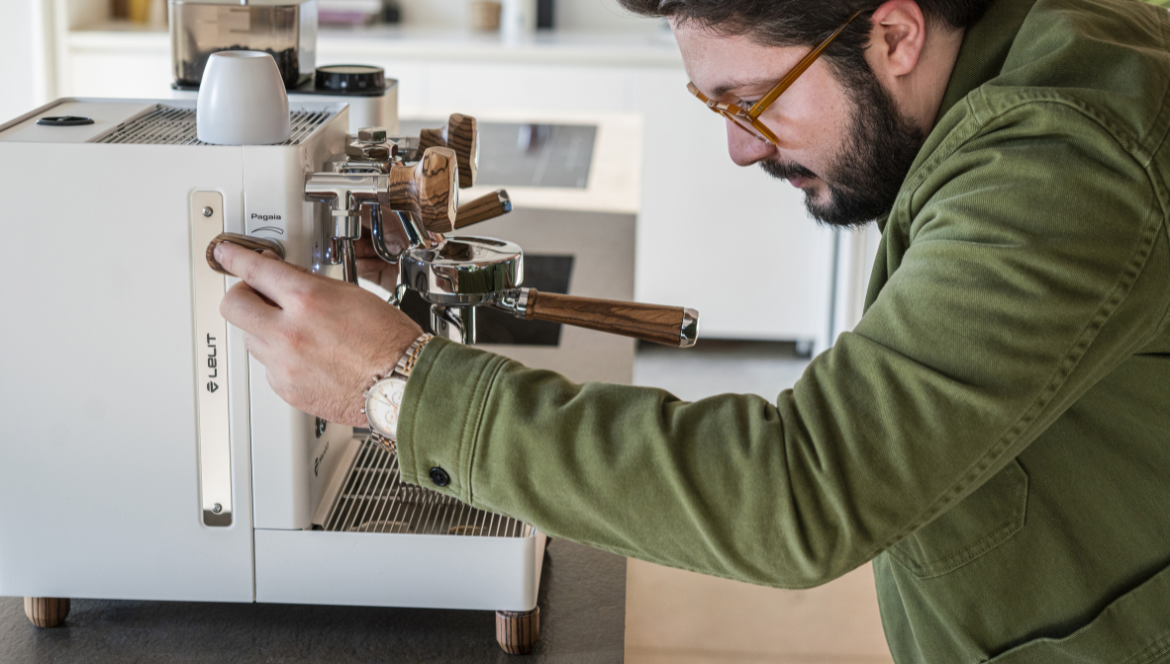 Lelit Machine Maintenance Guide: Keeping Your Investment in Top ConditionRead more
Keep your Lelit espresso machine performing at its best with a simple maintenance routine. This guide covers daily...
2026-07-13
Blog categories
Search in blog
How to Choose Your First Home Espresso Machine in the UK
Choosing the best beginner espresso machine in the UK can feel overwhelming given the variety of options and conflicting advice. The UK home coffee market has expanded dramatically over the past five years, and the range of machines available today spans everything from £80 pod brewers to £2,000 semi-professional setups. For someone buying their first machine, that range creates more confusion than confidence. This guide cuts through the noise. It explains what actually matters when choosing a beginner espresso machine, what to ignore, and how to match your budget and habits to the right type of machine, without any specialist knowledge required.
What Makes a Good Beginner Espresso Machine?
The Core Mechanics Every First-Time Buyer Should Understand
Before considering specific machines, understand what makes an espresso machine effective and what will frustrate you quickly. Three technical factors matter most for beginners.
Pump pressure: Espresso extraction requires a consistent pressure of around 9 bars. Machines that use a steam-powered system rather than a pump cannot achieve this reliably, which is why most experienced buyers recommend avoiding steam-only machines regardless of price. Look for machines that clearly state that they are pump-driven.
Boiler type: Single-boiler machines heat water for extraction and steaming sequentially, which means a short wait between pulling your shot and steaming milk. For most beginners, this is a completely manageable trade-off and keeps costs down. Dual-boiler or heat-exchange machines eliminate the wait but come at a higher price point — generally unnecessary for a first machine.
Ease of use and consistency: A good beginner espresso machine produces repeatable results. You should not need to calibrate it precisely every time. Features like pre-infusion, programmable shot volumes, or pressure profiling help beginners achieve consistency. These tools remove the need for months of manual practice.
The Best Coffee Machines for Home UK: Understanding the Main
Categories
Semi-Automatic Espresso Machines
Semi-automatic machines give you control over grind, dose, and tamping while automating the water flow. They are the most common choice for home enthusiasts who want to develop real barista skills. Brands like De'Longhi, Sage (known as Breville outside the UK), and Gaggia have strong reputations in this category. They are widely available across UK retailers, including John Lewis, Currys, and Amazon UK.
For beginners willing to invest in technique, a semi-automatic machine in the £200-£500 range offers excellent value and long-term headroom for improvement.
Bean-to-Cup Machines
Bean-to-cup machines grind, tamp, and extract automatically. They reduce the variables that frustrate beginners and deliver a consistent result with minimal effort. The trade-off is that cost-quality bean-to-cup machines typically start at around £300, and they have reduced flexibility if you want to refine your technique over time.
For households where multiple people use the machine at different times, or where convenience matters more than craft, bean-to-cup is often the most practical choice among the best coffee machines UK home buyers consider.
Pod and Capsule Machines
Pod machines are at the accessible end of the market. They deliver reliable espresso with no grinder, no tamping, and little cleaning. These are good entry points if you want convenience and are not yet committed to learning barista skills. However, capsules cost more per cup than ground or whole beans, so consider this over a year of daily use.
Choosing the Right Budget Range
What You Can Realistically Expect at Each Price Point
Understanding what your money buys at each level prevents the most common mistake beginners make: buying too cheaply and replacing the machine within a year, or overspending on features they will not use.
Under £150: Expect a functional machine with a steam wand and basic pump operation. Build quality is modest, and features are minimal. Suitable for occasional use or testing whether espresso at home suits your habits before committing more.
£150-£350: This range is best for most beginners. Machines here offer pump-driven extraction, durable construction, and additional features such as adjustable temperature and programmable volumes. The De'Longhi Dedica series and entry-level Gaggia machines get strong reviews in UK buyer guides in this bracket.
£350 to £600: At this level, you gain meaningful improvements in boiler quality, steam power, and building materials. The Sage Bambino Plus sits at the upper edge of this range and is frequently cited as one of the best espresso machines for beginners who want barista-quality results with manageable complexity.
Above £600: This is prosumer territory, machines with features that reward skill and suit those upgrading more than total beginners.
The Grinder Question Every Buyer Should Answer First
Most beginners ignore the grinder until after buying it. Grind consistency matters more than the machine itself. A £300 machine with a decent burr grinder easily outperforms a £500 machine paired with a blade grinder or pre-ground coffee.
If your budget is limited, consider allocating a meaningful portion to a dedicated espresso grinder rather than spending everything on the machine itself. Entry-level burr grinders from brands like Baratza, Wilfa, or Fellow start at around £100-£150 and make a noticeable difference in extraction quality.
A Practical Buying Checklist for UK Shoppers
Before purchasing any machine, work through these four questions honestly. How many coffees do you expect to make per day? Do you want to learn a technique or prioritise convenience? Is steamed milk important for drinks like flat whites and lattes? And do you have counter space for both a machine and a grinder?
Your answers will narrow choices and simplify the decision far more than the full market range suggests.
The best home coffee machines for UK buyers aren't the most expensive, they're the ones that actually fit how your household makes and drinks coffee.
Frequently Asked Questions
Q: What is the best espresso machine for beginners in the UK?
A: The most recommended machines for UK beginners are the Rancilio Silvia V6, the Profitec Go, and the Lelit Victoria. Each offers a different balance of ease of use, price, and learning curve. The right choice depends on your budget, how much control you want, and whether you will steam milk regularly.
Q: Do I need a separate grinder for a home espresso machine?
A: For the best results, yes. A burr grinder produces a more consistent grind than a blade grinder. This helps extraction. Some machines have a built-in grinder, bean-to-cup models, especially, which is helpful if space or budget is limited.
Q: What pump pressure should a beginner espresso machine have?
A: Look for a machine that uses 9 bars of pump pressure for extraction. Some machines are rated at 15 bars, but a pressure regulator gives 9 bars at the group head. This is normal. Avoid steam-only machines, which cannot make real espresso.
Q: Is a pod machine a good starting point for beginners?
A: Pod machines are a reasonable starting point if your priority is convenience over craft. They produce a consistent espresso with minimal effort and no grinder required. The main drawback is the ongoing capsule cost, which is higher per cup than whole bean or ground coffee over time.
Q: How much should I budget for my first home espresso machine in the UK?
A: A budget of £200 to £400 covers most capable beginner machines with reliable performance and room to develop your technique. Adding £100 to £150 for a burr grinder brings your total to a range where you can make genuinely excellent espresso at home from day one.
Related posts
-
 Understanding Espresso Machines: Single Boiler, Dual Boiler, and Heat Exchanger Models
Choosing the right espresso machine can elevate your coffee experience to new heights. At Espresso Coffee Shop we...Read more
Understanding Espresso Machines: Single Boiler, Dual Boiler, and Heat Exchanger Models
Choosing the right espresso machine can elevate your coffee experience to new heights. At Espresso Coffee Shop we...Read more -
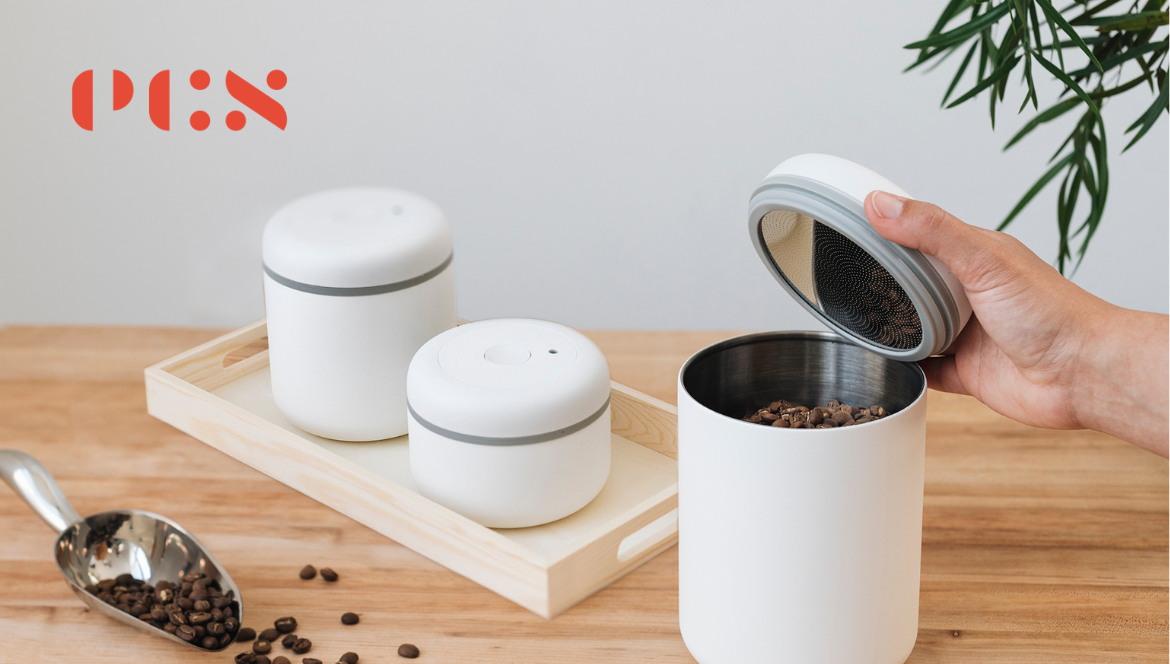 How to properly store coffee
If you, too, are a true coffee enthusiast, meticulously selecting the varieties you like best and eagerly...Read more
How to properly store coffee
If you, too, are a true coffee enthusiast, meticulously selecting the varieties you like best and eagerly...Read more -
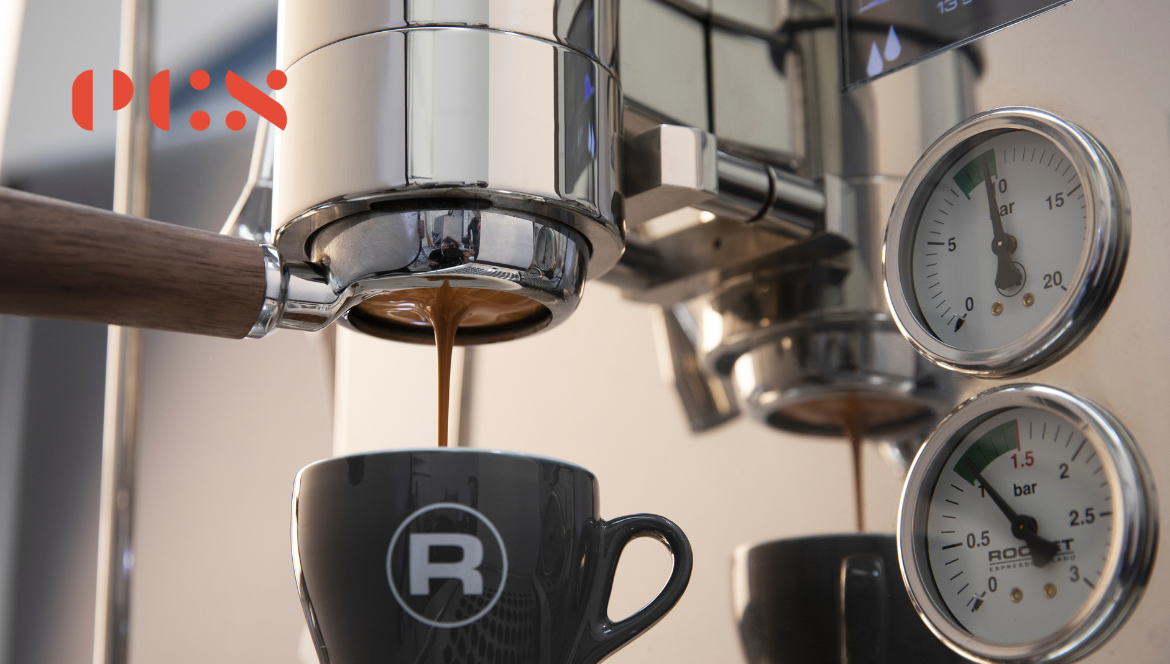 Bottomless portafilter? Here are the aspects to be considered
The search for the perfect espresso is a long road, and there are several tools that can help achieve the perfect...Read more
Bottomless portafilter? Here are the aspects to be considered
The search for the perfect espresso is a long road, and there are several tools that can help achieve the perfect...Read more -
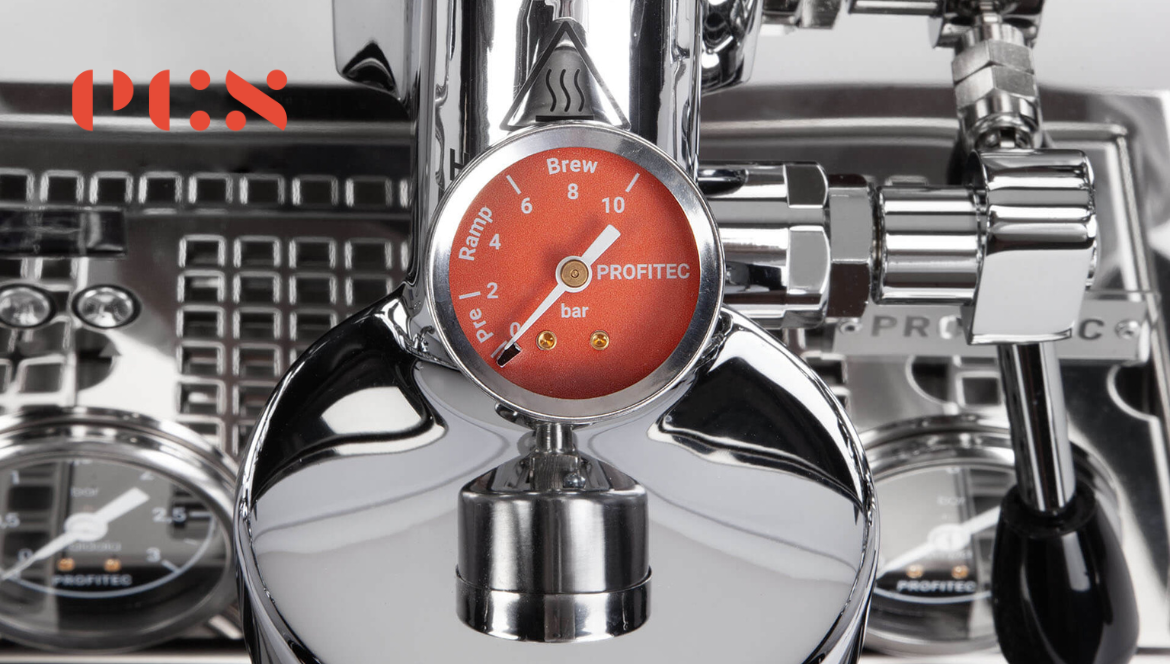 PROFITEC DRIVE: the home machine with professional performance
Drive is the most recent entry in the Profitec household and the evolution of the already highly appreciated Pro 700....Read more
PROFITEC DRIVE: the home machine with professional performance
Drive is the most recent entry in the Profitec household and the evolution of the already highly appreciated Pro 700....Read more -
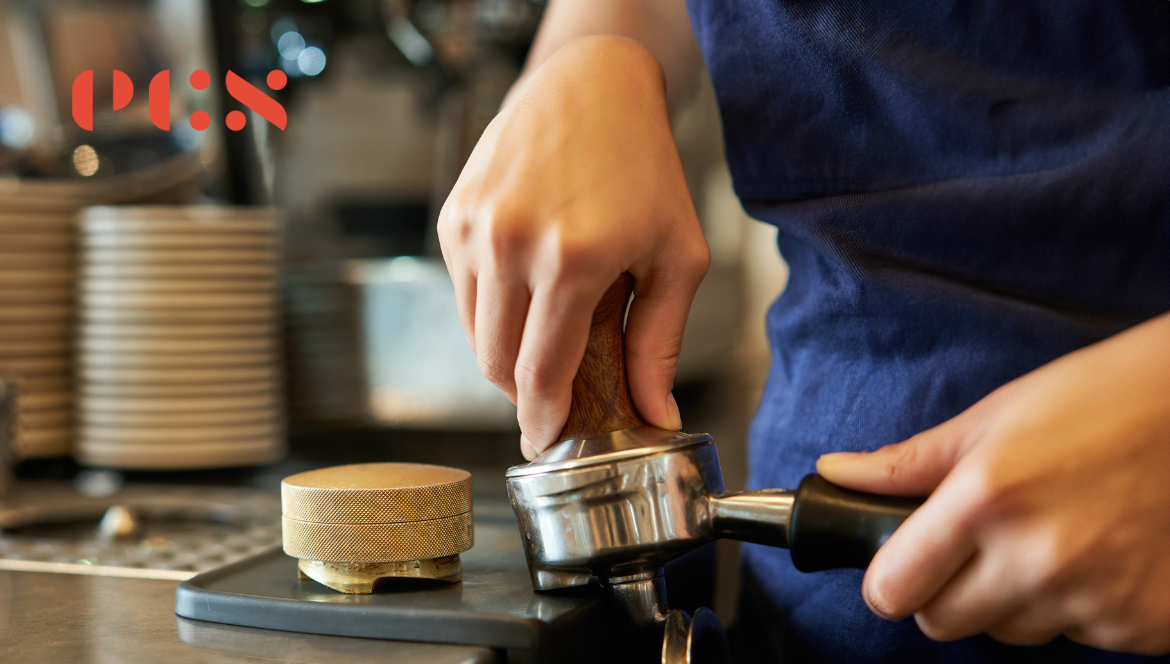 All about a good tamping
To make good coffee, it is important to have the right equipment, quality coffee and not only. It is also necessary...Read more
All about a good tamping
To make good coffee, it is important to have the right equipment, quality coffee and not only. It is also necessary...Read more
Leave a comment