



Choosing between the Lelit Bianca and ECM Synchronika can be difficult for home baristas looking for a high-end PID...
Please, visit the correct shop for your location:
USA Site

-
 Lelit Bianca vs ECM Synchronika: Which PID Dual Boiler Wins?Read more2026-08-27
 -
 Single Dose vs. Hopper Grinding: Which Setup Suits Your Home Coffee Routine?Read more
Single-dose and hopper grinders suit different home coffee routines. A single-dose grinder is ideal for coffee...
2026-08-27 -
 Understanding Group Heads: E61, Saturated & Thermosyphon ExplainedRead more
E61 group head explained how it works, plus saturated and thermosyphon designs compared, so you can choose the right...
2026-08-24 -
 Commercial Espresso Machine Buyers Guide for UK Cafés and RestaurantsRead more
A UK buyer's guide to choosing the right commercial espresso machine boiler types, key features, costs, and matching...
2026-08-21 -
 Mahlkönig E65S vs Eureka Atom: Commercial Grinder ShowdownRead more
Compare the Mahlkönig E65S and Eureka Atom to find the right grinder for your café or home setup. This guide covers...
2026-07-15 -
 Lelit Machine Maintenance Guide: Keeping Your Investment in Top ConditionRead more
Keep your Lelit espresso machine performing at its best with a simple maintenance routine. This guide covers daily...
2026-07-13 -
 How Burr Size and RPM Affect Grind Quality: A Technical Guide for Home BaristasRead more
Discover how burr size and grinder RPM shape espresso flavour, consistency, heat, and extraction quality. This guide...
2026-07-10 -
 Rancilio Silvia Pro X: In-Depth Review for UK Home BaristasRead more
Discover whether the Rancilio Silvia Pro X is the right upgrade for your home coffee setup. This review covers its...
2026-07-10 -
 La Marzocco Linea Mini R vs Rocket R58 Tune : A Home Barista ComparisonRead more
Comparing two of Italy's finest dual-boiler espresso machines the La Marzocco Linea Mini R and the Rocket R58 Tune...
2026-06-24 -
 Dose-to-Yield Ratio Explained: How to Dial In the Perfect Espresso Every TimeRead more
Mastering the espresso dose-to-yield ratio is one of the fastest ways to improve shot consistency and flavour. This...
2026-06-16
Blog categories
Search in blog
What is Pressure Profiling and Why Does It Matter for Espresso?
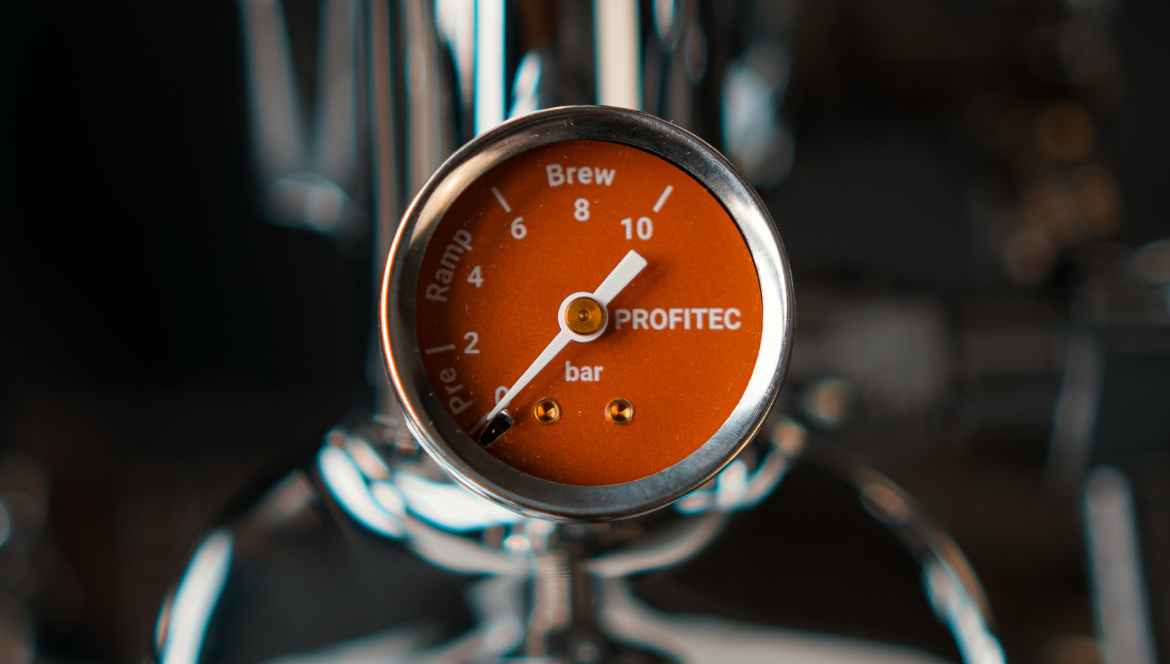
Espresso pressure profiling is the practice of intentionally varying the water pressure applied to a coffee puck (the compressed disk of ground coffee) throughout an extraction, rather than holding it at a fixed level from start to finish. If you have ever wondered why two shots pulled from the same beans and grind taste noticeably different, pressure is often part of the answer. A flow profiling espresso machine gives the barista (the person who prepares espresso drinks) direct control over how pressure builds, peaks, holds, and tapers during the shot, and that control determines what ends up in the cup in ways that fixed-pressure brewing simply cannot replicate. This guide explains espresso pressure profiling from the ground up: what it is, how it works mechanically, why it matters for taste, and what to look for in an espresso machine with flow control.
What Is Espresso Pressure Profiling, Explained from First Principles?
The Standard That Profiling Departs From
For most of modern espresso history, the benchmark has been a fixed 9 bars of pressure applied continuously through the shot. That number became the industry standard in the mid-20th century when commercial espresso machines were engineered around pump-driven consistency. The idea was that the model works well in high-volume environments that need consistency across hundreds of cups. But it has a big limitation. A fixed 9-bar brew applies the same treatment to every coffee, light or dark roast, fresh or aged beans, dense Robusta or delicate natural-processed Geisha.
How Pressure Profiling Changes the Equation
Proper espresso pressure profiling means understanding that extraction is a dynamic process, not a static one. Different compounds in coffee dissolve at different rates and respond differently to changes in pressure. When you can manipulate pressure across the timeline of a shot, you can emphasise or suppress specific extraction outcomes.
A lower pressure phase at the beginning of a shot, for example, allows the coffee puck to hydrate gradually before full pressure is applied, a technique called pre-infusion. This gentler start reduces channelling, which is the uneven flow of water through the puck that produces harsh, unbalanced shots. Easing into pressure also coaxes sweetness from lighter roasts that can turn sour or thin under an abrupt 9-bar hit.
Tapering pressure toward the end of the shot is another common technique. As the puck degrades and resistance naturally drops, reducing pressure prevents over-extraction in the final seconds, the phase when bitterness and astringency are most easily introduced.
The Role of a Flow Profiling Espresso Machine
How Flow Control Translates to Pressure Control
A flow profiling espresso machine approaches pressure manipulation through a related variable: water flow rate. Because pressure and flow rate are physically linked through the resistance of the coffee bed, controlling one effectively controls the other. Restrict the inlet flow, and the pressure builds more slowly. Open it fully, and the pressure rises faster.
Flow control paddles, needles, or electronic valves allow the operator to shape this relationship in real time or through a pre-programmed profile. The result is functionally identical to adjusting pressure directly; the shot follows a curve rather than a flat line.
Some machines combine both dedicated pressure profiling and flow control in a single system. Others rely entirely on a flow restrictor upstream of the group head. Either architecture achieves the same goal: decoupling the shot from the fixed output of a standard pump.
What an Espresso Machine with Flow Control Lets You Do
An espresso machine with flow control opens up a practical toolkit that standard machines cannot offer. The most common techniques include a slow ramp-up to full pressure for pre-infusion, a sustained peak pressure phase for body and sweetness development, and a controlled decline toward the end to preserve clarity and limit bitterness.
For lighter roasts in particular, this level of control is not a luxury; it is often the difference between a drinkable shot and an exceptional one. Light roasts extract at lower optimal temperatures and are far more sensitive to pressure spikes than dark roasts, which have more soluble material and greater structural resilience during extraction.
Why Pressure Profiling Matters for Espresso Quality
The Sensory Difference in the Cup
Shots pulled on a pressure-profiling espresso setup consistently produce a wider range of flavour expression than fixed-pressure shots pulled from the same coffee. Baristas and coffee professionals describe the difference in terms that map directly to extraction dynamics: more sweetness, cleaner acidity, fuller body in some profiles, and sharper clarity in others.
The reason is rooted in chemistry. Espresso is an emulsion of dissolved solids, CO2, oils, and water. The rate and sequence at which those compounds are pulled from the coffee grounds, which pressure profiling directly influences, determines the flavour balance of what reaches the cup. A profile designed for a washed Ethiopian coffee will look different on a chart than one designed for a Brazilian natural, and that difference will be immediately apparent when you taste both.
Who Benefits from Pressure Profiling
Pressure profiling is not only for professional baristas or speciality café owners. Home enthusiasts interested in dialling in single-origin coffees, exploring light roasts, or simply understanding why their shots taste tThe learning curve is real, profiling well means knowing your coffee and being ready to experiment. But the feedback is immediate and clear. This makes pressure profiling a powerful learning tool for anyone serious about espresso.
Choosing the Right Espresso Machine with Flow Control
When evaluating a flow profiling espresso machine, a few factors consistently matter most.
Analogue versus electronic control. Lever machines and paddle-equipped E61 group machines offer tactile, analogue control that many experienced baristas prefer for its immediacy and feedback. Electronic profiling systems, found on machines from brands like Decent, Breville, and La Marzocco, offer programmable profiles, data logging, and repeatability that suits those who want consistency after finding a profile they love.
Pre-infusion as a baseline. Even machines that do not offer full profiling capability can often be configured for pre-infusion, which delivers many of the benefits of gePressure profiling. It shows what happens inside the extraction. Machines with unstable group head temperature bring a second uncontrolled variable. This can hide the effects of pressure changes, making dialling in much harder. Pressure profiling will not make mediocre coffee great. But if you approach it thoughtfully, it is a powerful variable. It helps improve espresso quality, consistency, and expressive range. Label for improving the quality, consistency, and expressive range.
Group head temperature stability. Pressure profiling reveals what is already happening inside the extraction. Machines with unstable temperature will introduce a second uncontrolled variable that obscures the effect of pressure changes and complicates your ability to dial in.
Pressure profiling is not a feature that makes mediocre coffee great. But in the hands of someone willing to engage with it thoughtfully, it is one of the most powerful variables available for improving the quality, consistency, and expressive range of espresso.
FAQ's
Q: What is the difference between pressure profiling and pre-infusion?
A: Pre-infusion is a specific technique within the broader category of pressure profiling. It refers to the phase at the start of a shot where low pressure or low flow gently saturates the puck before full extraction pressure is applied. Pressure profiling encompasses the entire pressure curve across a shot, including pre-infusion, peak pressure, and any tapering at the end.
Q: Do I need an expensive machine to use pressure profiling?
A: Not necessarily. Some E61 group head machines can be retrofitted with a flow control device that adds basic profiling capability at a relatively modest cost. Dedicated profiling machines from brands like Decent or Breville's Barista Touch offer more precise control and typically carry higher price points, but meaningful profiling is accessible without spending at the top of the market.
Q: Does pressure profiling work better with certain types of coffee?
A: Light roasts and single-origin coffees generally benefit most from pressure profiling because they are more sensitive to extraction dynamics. Dark roasts are more forgiving under fixed pressure but can also be refined with profiling. Speciality and competition-grade coffees are where pressure profiling most consistently demonstrates its value.
Q: What is a typical pressure profile for espresso?
A: A common starting profile involves a slow ramp from 0 to 6 bars over the first 8 to 10 seconds, a hold at 8 to 9 bars through the main extraction phase, and a gradual taper to 5 or 6 bars in the final 10 to 15 seconds. This is a general template; the ideal profile depends on the specific coffee, roast level, and desired cup character.
Q: Can flow profiling replace grind adjustment?
A: No. Grind size remains the most fundamental variable in espresso extraction. Flow and pressure profiling work alongside grind adjustment, not in place of it. Getting your grind right is still the first step; profiling refines the extraction once the foundation is correct.
Related posts
-
 Understanding Espresso Machines: Single Boiler, Dual Boiler, and Heat Exchanger Models
Choosing the right espresso machine can elevate your coffee experience to new heights. At Espresso Coffee Shop we...Read more
Understanding Espresso Machines: Single Boiler, Dual Boiler, and Heat Exchanger Models
Choosing the right espresso machine can elevate your coffee experience to new heights. At Espresso Coffee Shop we...Read more -
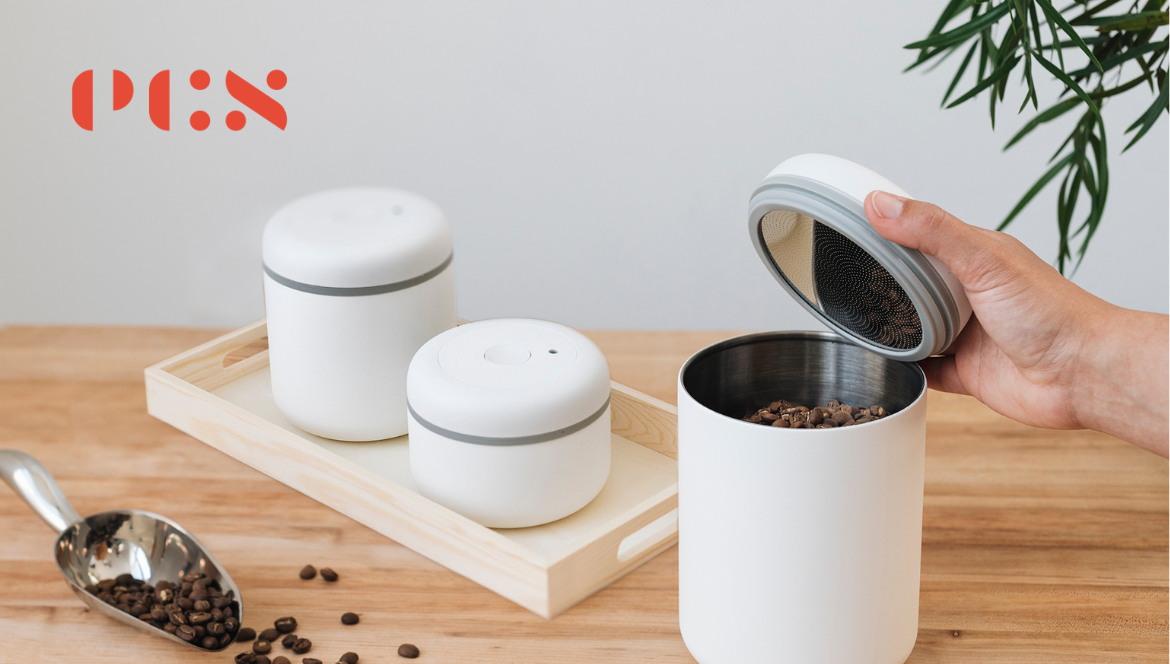 How to properly store coffee
If you, too, are a true coffee enthusiast, meticulously selecting the varieties you like best and eagerly...Read more
How to properly store coffee
If you, too, are a true coffee enthusiast, meticulously selecting the varieties you like best and eagerly...Read more -
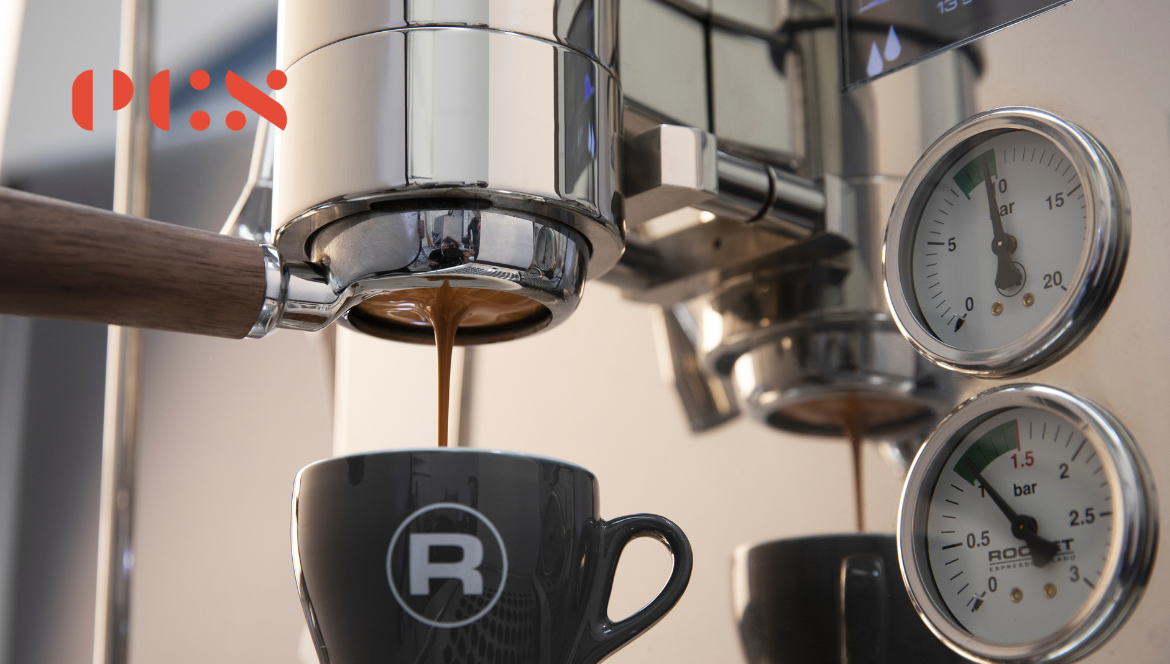 Bottomless portafilter? Here are the aspects to be considered
The search for the perfect espresso is a long road, and there are several tools that can help achieve the perfect...Read more
Bottomless portafilter? Here are the aspects to be considered
The search for the perfect espresso is a long road, and there are several tools that can help achieve the perfect...Read more -
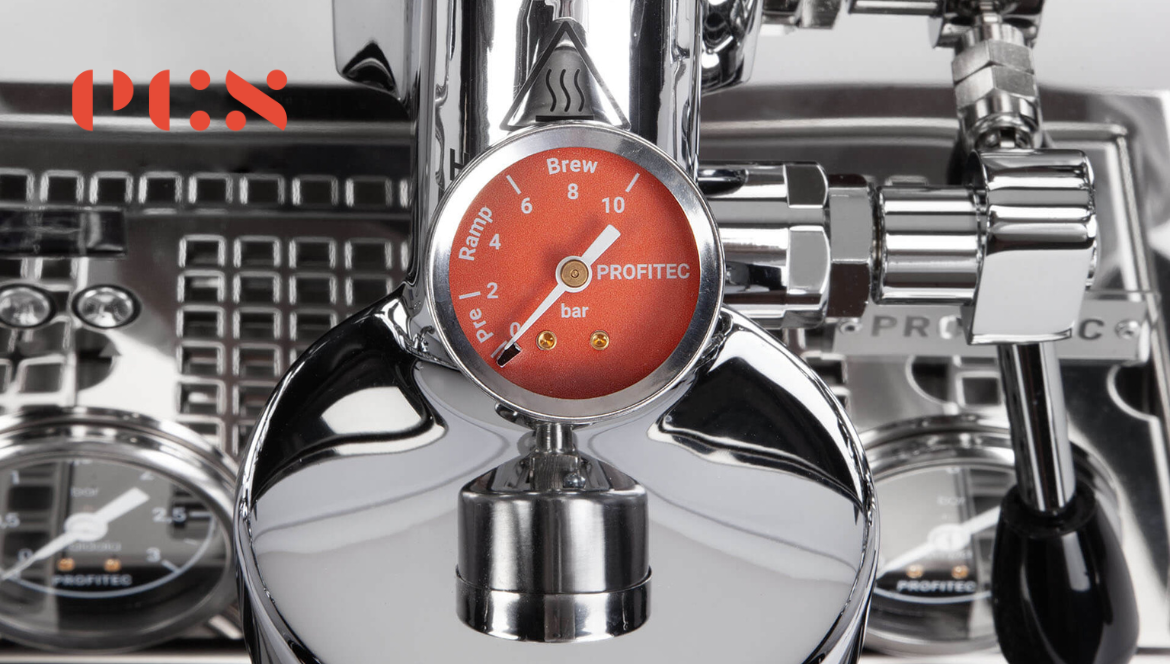 PROFITEC DRIVE: the home machine with professional performance
Drive is the most recent entry in the Profitec household and the evolution of the already highly appreciated Pro 700....Read more
PROFITEC DRIVE: the home machine with professional performance
Drive is the most recent entry in the Profitec household and the evolution of the already highly appreciated Pro 700....Read more -
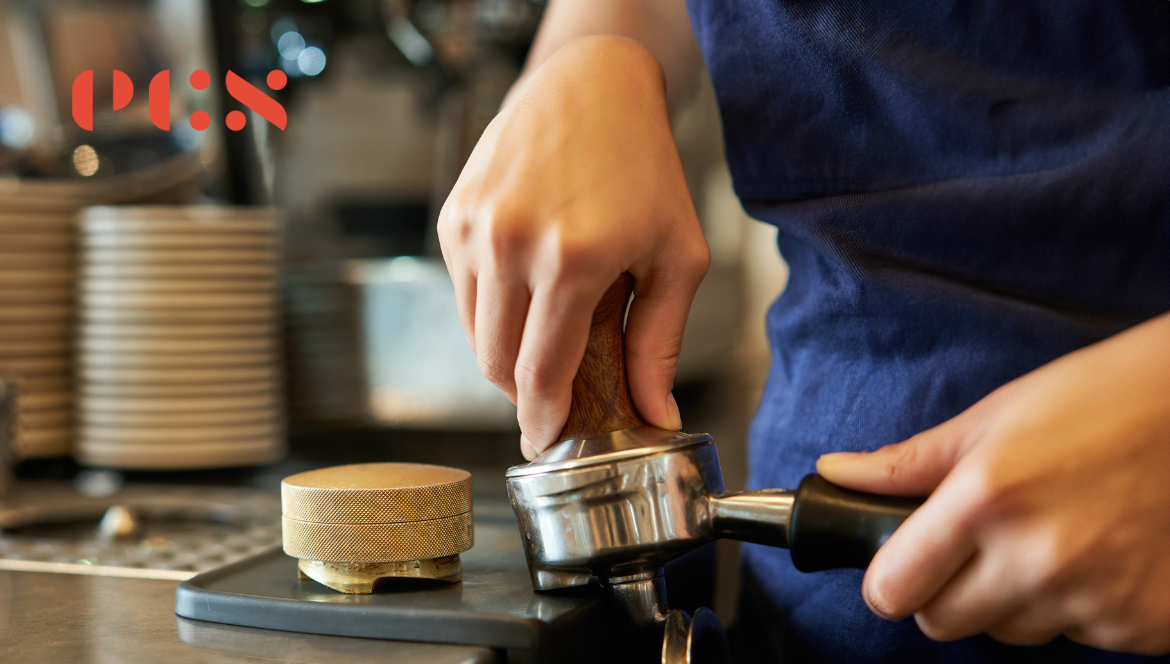 All about a good tamping
To make good coffee, it is important to have the right equipment, quality coffee and not only. It is also necessary...Read more
All about a good tamping
To make good coffee, it is important to have the right equipment, quality coffee and not only. It is also necessary...Read more
Leave a comment