



The Profitec Go has earned its place as our top-selling espresso machine by striking the right balance between...
Please, visit the correct shop for your location:
USA Site

-
 Why the Profitec Go is our best-selling espresso machine and why customers love itRead more2026-09-29
 -
 Eureka grinders: the Italian craftsmanship behind some of the quietest grinders on the marketRead more
Eureka has spent over a century refining the art of Italian grinder engineering, and quiet operation is where that...
2026-09-28 -
 Why Lelit has become a go-to brand for home espresso enthusiasts worldwideRead more
Lelit has earned its place among the world's most trusted home espresso brands by combining genuine Italian...
2026-09-28 -
 Single Dose Grinders: Why They're Taking Over the Home Barista WorldRead more
Single-dose grinders are reshaping how home baristas think about freshness. Instead of loading a hopper and grinding...
2026-09-24 -
 Lelit Bianca vs ECM Synchronika: Which PID Dual Boiler Wins?Read more
Choosing between the Lelit Bianca and ECM Synchronika can be difficult for home baristas looking for a high-end PID...
2026-08-27 -
 Single Dose vs. Hopper Grinding: Which Setup Suits Your Home Coffee Routine?Read more
Single-dose and hopper grinders suit different home coffee routines. A single-dose grinder is ideal for coffee...
2026-08-27 -
 Understanding Group Heads: E61, Saturated & Thermosyphon ExplainedRead more
E61 group head explained how it works, plus saturated and thermosyphon designs compared, so you can choose the right...
2026-08-24 -
 Commercial Espresso Machine Buyers Guide for UK Cafés and RestaurantsRead more
A UK buyer's guide to choosing the right commercial espresso machine boiler types, key features, costs, and matching...
2026-08-21 -
 Mahlkönig E65S vs Eureka Atom: Commercial Grinder ShowdownRead more
Compare the Mahlkönig E65S and Eureka Atom to find the right grinder for your café or home setup. This guide covers...
2026-07-15 -
 Lelit Machine Maintenance Guide: Keeping Your Investment in Top ConditionRead more
Keep your Lelit espresso machine performing at its best with a simple maintenance routine. This guide covers daily...
2026-07-13
Blog categories
Search in blog
Flat Burr vs Conical Burr Grinders: What's the Difference?
If you’re choosing between flat and conical burr grinders, your decision matters, especially for espresso. Burr geometry shapes particle size, flavour clarity, heat, and grinder consistency. Neither is universally superior. The right choice depends on what you brew, how much you grind, and the flavour you want. This guide clarifies the mechanical and sensory differences, their effects on espresso, and what to prioritise when buying a grinder for home, commercial, or manual use.
Moving from the overview, let's look in detail at each grinder type, starting with flat burr grinders.
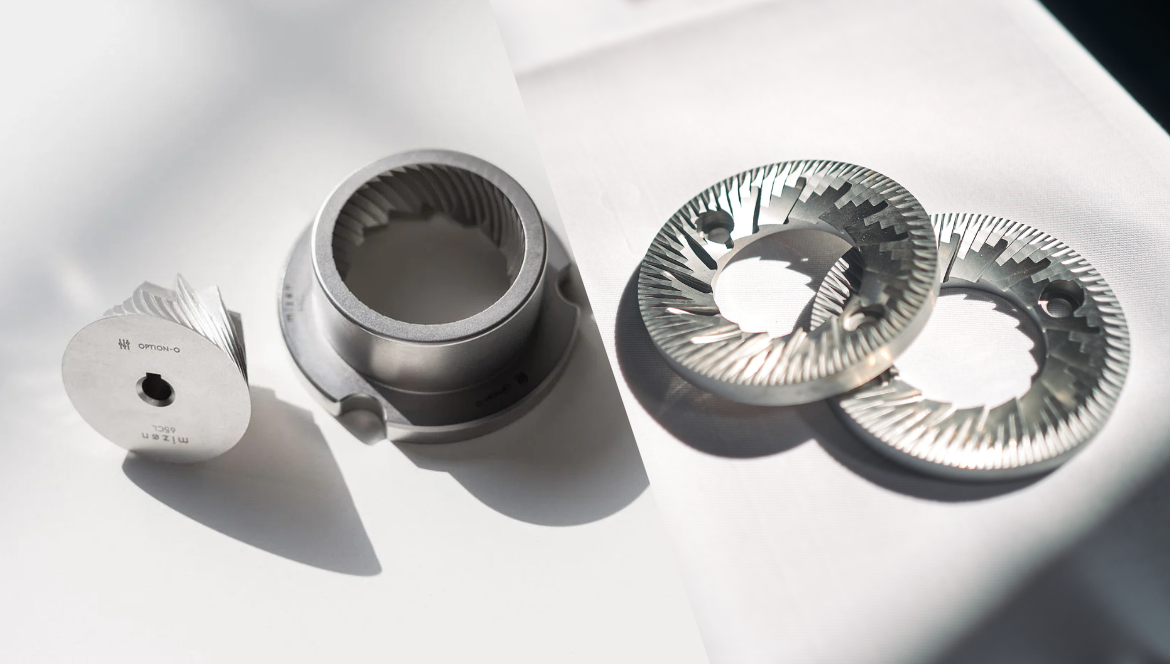
Flat burrs have two parallel, disc-shaped rings mounted horizontally. Coffee enters through the top, is ground as it moves outward between the flat surfaces, and then exits at the edge.
How Flat Burrs Affect Espresso Flavour
Flat burrs yield uniform particles, enabling even extraction and clear flavours. Baristas favour them with light-roast, single-origin coffees.
The trade-off is heat. Flat burrs often spin faster and have a larger grinding area, generating more friction per dose. In high-volume settings, heat can build up, affecting coffee aroma. Commercial models counter this with greater mass, improved ventilation, and, sometimes, active cooling.
Flat burr grinders generally retain more ground coffee, a feature called grind retention. This affects espresso dial-in, as leftover grounds can cause staleness. Single-dose flat burr grinders address this with updated designs and workflows.
Now, let's shift focus to conical burr grinders to see how their design and mechanics differ from flat burrs.
Conical burr grinders feature a cone-shaped inner burr inside a ring-shaped outer burr. Beans enter at the top, move down, and are ground as the gap narrows toward the base.
How Conical Burrs Affect Espresso Flavour
Conical burrs produce a bimodal particle mix: mostly medium, some fines. Fines boost body and sweetness. For dark roasts or milk drinks, conical burrs create richer, fuller espresso.
Conical burrs run at lower RPMs, making less heat and retaining fewer grounds. These features suit home users and single-dose use, where heat and waste are a concern.
Flat Burr vs Conical Burr Grinder: Direct Comparison
Particle Size Distribution
Flat burrs make uniform clusters. Conical burrs create varied fineness. The result: flat burrs give clarity; conical burrs add body and sweetness.
Heat Generation
Flat burrs typically run at higher RPMs and generate more heat, which is more relevant in commercial, high-volume settings where continuous grinding occurs. Conical burrs operate at lower RPMs and stay cooler, reducing heat as a concern for home users who brew fewer shots per session.
Grind Retention
Flat burrs usually retain more coffee. Conical burrs retain less. For espresso, less retention means less waste and better consistency, especially for single-origin cafés.
Maintenance and Workflow
Flat burrs need precise alignment and are sensitive to levelling. Conical burrs are more tolerant and easier to clean and maintain daily.
Choosing the Best Burr Grinder for Espresso by Use Case
For Home Espresso Setups
Home users need low retention, easy adjustment, and small-volume consistency. Both burr types suit home use; choose based on your daily workflow, whether single- or batch-dosing.
For those who want the nuanced flavour clarity of flat burrs, the Eureka Mignon Specialità Coffee Grinder is widely regarded for its 55mm burrs, stepless adjustment, and compact footprint ideal for home baristas seeking precision without commercial bulk.
Home users seeking a flat burr grinder with a 64mm burr set and single-dose workflow should consider the Option-O Lagom Casa Coffee Grinder, which offers exceptional grind consistency and precision for espresso.
For rich body from conical burrs, the Eureka Mignon Zero 65 Coffee Grinder delivers low retention and single-dose convenience, perfect for single-shot freshness at home.
For Commercial Espresso Environments
The best commercial espresso grinder must balance dose accuracy, speed, thermal stability, and durability across hundreds of shots per day. Flat burr grinders dominate professional commercial environments because their speed supports high-volume service and their flavour clarity performs well across a wide range of coffees.
The Mahlkönig e64 WS Grind By Weight Coffee Grinder is a precision flat burr grinder with integrated weight-based dosing and robust thermal management, suiting cafés that prioritise dose accuracy and repeatability.
The Anfim Luna Coffee Grinder brings 71mm flat burrs, quiet motor technology, and a robust build to high-volume service environments. Its combination of grind speed and consistency makes it a dependable choice for busy espresso bars.
For higher-volume environments that demand the largest burr sets and maximum throughput, the Fiorenzato F83 E XGi Pro Coffee Grinder uses 83mm flat burrs paired with integrated gravimetric dosing, delivering precise, consistent output over sustained commercial service.
For Manual Espresso Brewing
Hand grinders capable of espresso-quality output have improved dramatically in recent years. The best manual espresso grinder delivers consistent espresso-grade particle sizes through a hand-crank mechanism, a genuine option for travellers, home users who want a quiet morning grind, or those who enjoy the ritual of manual preparation.
The Hario Mini-Slim+ Coffee Grinder uses ceramic conical burrs in a compact, lightweight form factor suited to travel and light home use. It offers a grind range from filter to espresso-fine settings and is an accessible entry point for those exploring manual grinding without a significant investment.
Espresso-fine manual grinding requires effort and time, as tight gaps need more force. For occasional espresso or before upgrading to electric, the Hario Mini-Slim+ is a practical choice.
Summing up the pros and cons, it's important to align your burr grinder selection with your espresso preferences and workflow priorities.
Key takeaway: Match the grinder to your brewing goals and preferred espresso qualities, such as clarity or body.
Choose flat burrs if you primarily brew light-roast espresso, value flavour clarity and separation, and are grinding at a volume where heat is manageable. Choose conical burrs if you want rich body and sweetness, value low retention and easy maintenance, or are setting up a home workflow where simplicity and consistency matter more than precise tasting notes.
Both designs can produce excellent espresso. Burr material quality, manufacturing precision, and burr set alignment are as important as geometry. Investing in a well-made grinder yields better results than choosing solely by type.
Frequently Asked Questions
Q: Is a flat burr grinder better for espresso?
A: Neither is objectively better. Flat burrs give clarity and tight particles; conical burrs boost body and ease. Choose based on your preferred flavour profile.
Q: What is the best flat burr grinder for home espresso?
A: The Eureka Mignon Specialità is one of the most widely recommended home flat burr espresso grinders for its stepless adjustment, 55mm burrs, and compact design. For those who want a larger burr set and single-dose workflow, the Option-O Lagom Casa is an excellent step up.
Q: What makes a commercial espresso grinder different from a home grinder?
A: Commercial espresso grinders are engineered for sustained, high-volume grinding with larger motors, more robust burr sets, better thermal management, and faster dose delivery. They are designed to maintain performance across hundreds of shots per service without degradation in grind quality.
Q: Are manual espresso grinders worth it? For some
A: Yes. The Hario Mini-Slim+ is an accessible manual grinder for travel or quiet routines. The trade-off is time and effort at fine settings.
Q: How often should burr grinders be cleaned for espresso?
A: For home use, a light cleaning every 2 to 3 weeks and a full burr cleaning every 1 to 2 months is a reasonable schedule. Commercial grinders should be cleaned daily as part of the end-of-service workflow, with full burr removal and deep cleaning weekly.
Related posts
-
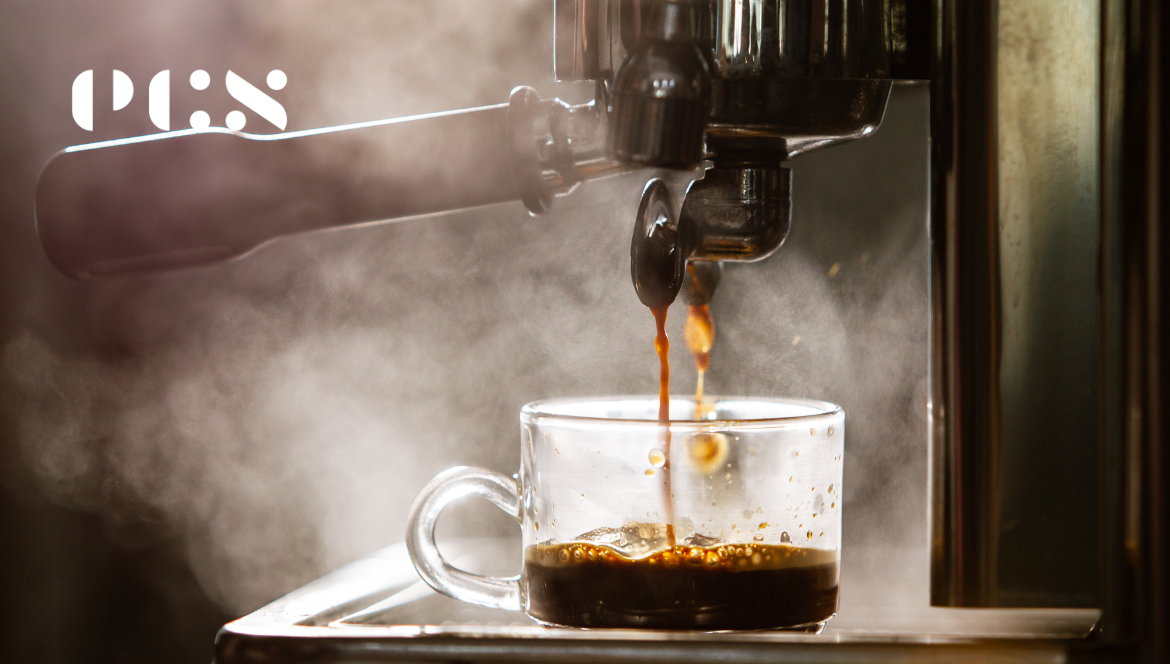 Understanding Espresso Machines: Single Boiler, Dual Boiler, and Heat Exchanger Models
Choosing the right espresso machine can elevate your coffee experience to new heights. At Espresso Coffee Shop we...Read more
Understanding Espresso Machines: Single Boiler, Dual Boiler, and Heat Exchanger Models
Choosing the right espresso machine can elevate your coffee experience to new heights. At Espresso Coffee Shop we...Read more -
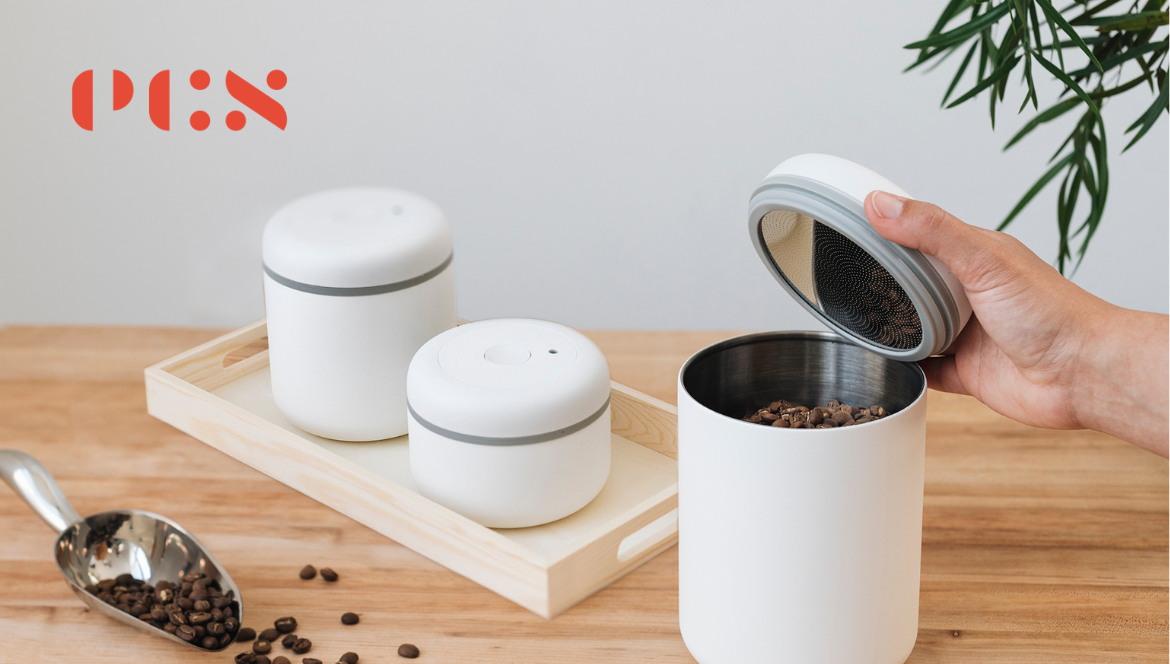 How to properly store coffee
If you, too, are a true coffee enthusiast, meticulously selecting the varieties you like best and eagerly...Read more
How to properly store coffee
If you, too, are a true coffee enthusiast, meticulously selecting the varieties you like best and eagerly...Read more -
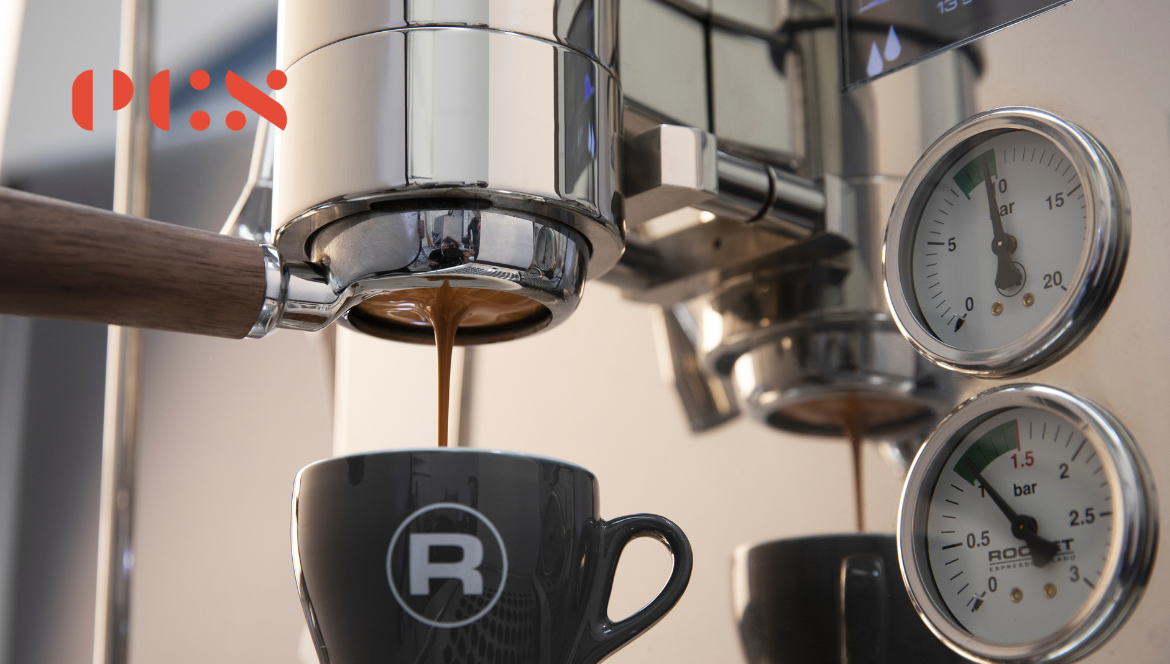 Bottomless portafilter? Here are the aspects to be considered
The search for the perfect espresso is a long road, and there are several tools that can help achieve the perfect...Read more
Bottomless portafilter? Here are the aspects to be considered
The search for the perfect espresso is a long road, and there are several tools that can help achieve the perfect...Read more -
 PROFITEC DRIVE: the home machine with professional performance
Drive is the most recent entry in the Profitec household and the evolution of the already highly appreciated Pro 700....Read more
PROFITEC DRIVE: the home machine with professional performance
Drive is the most recent entry in the Profitec household and the evolution of the already highly appreciated Pro 700....Read more -
 All about a good tamping
To make good coffee, it is important to have the right equipment, quality coffee and not only. It is also necessary...Read more
All about a good tamping
To make good coffee, it is important to have the right equipment, quality coffee and not only. It is also necessary...Read more
Leave a comment