



Compare the Mahlkönig E65S and Eureka Atom to find the right grinder for your café or home setup. This guide covers...
Please, visit the correct shop for your location:
USA Site

-
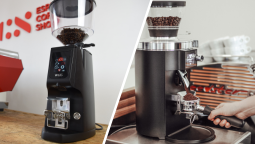 Mahlkönig E65S vs Eureka Atom: Commercial Grinder ShowdownRead more2026-07-15
 -
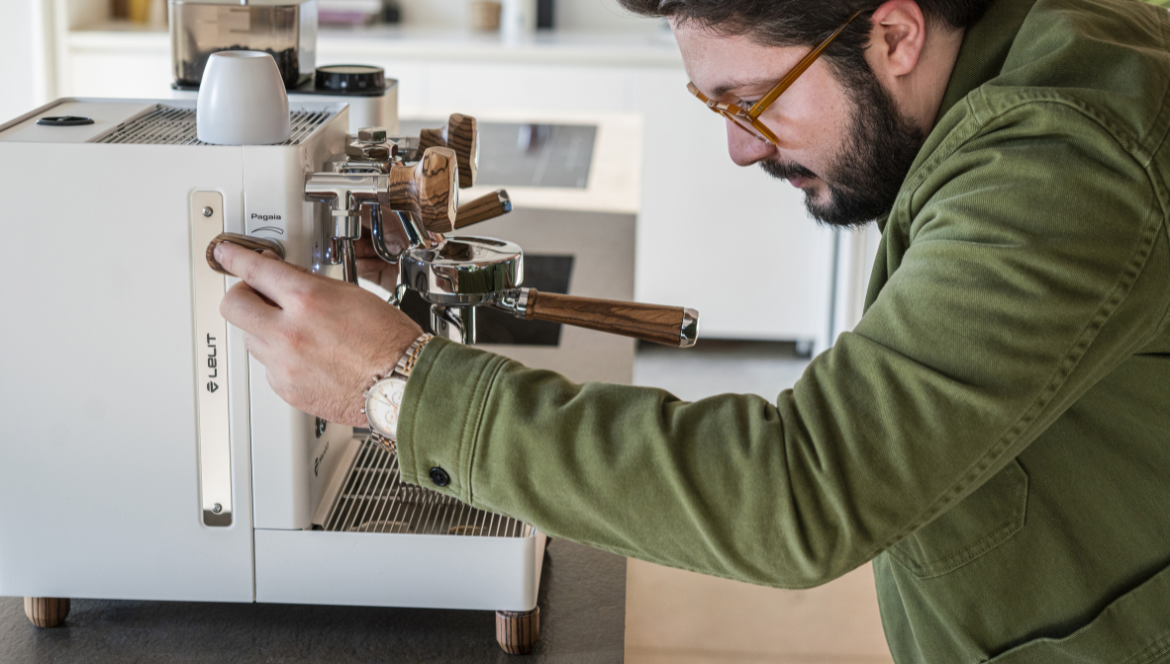 Lelit Machine Maintenance Guide: Keeping Your Investment in Top ConditionRead more
Keep your Lelit espresso machine performing at its best with a simple maintenance routine. This guide covers daily...
2026-07-13 -
 How Burr Size and RPM Affect Grind Quality: A Technical Guide for Home BaristasRead more
Discover how burr size and grinder RPM shape espresso flavour, consistency, heat, and extraction quality. This guide...
2026-07-10 -
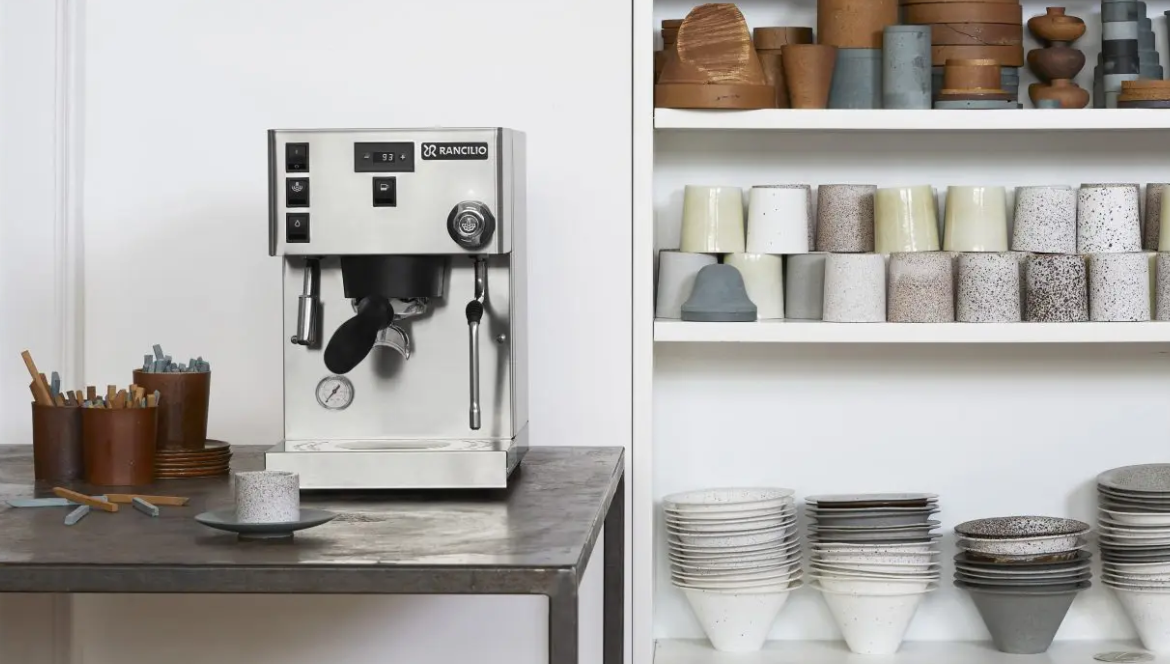 Rancilio Silvia Pro X: In-Depth Review for UK Home BaristasRead more
Discover whether the Rancilio Silvia Pro X is the right upgrade for your home coffee setup. This review covers its...
2026-07-10 -
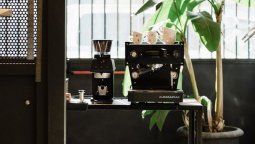 La Marzocco Linea Mini R vs Rocket R58 Tune : A Home Barista ComparisonRead more
Comparing two of Italy's finest dual-boiler espresso machines the La Marzocco Linea Mini R and the Rocket R58 Tune...
2026-06-24 -
 Dose-to-Yield Ratio Explained: How to Dial In the Perfect Espresso Every TimeRead more
Mastering the espresso dose-to-yield ratio is one of the fastest ways to improve shot consistency and flavour. This...
2026-06-16 -
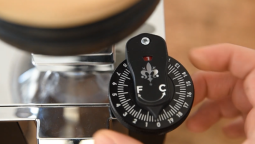 How to Dial In Your Coffee Grinder for a Perfect Espresso ShotRead more
This comprehensive guide explains how to dial in a coffee grinder for better espresso extraction, covering...
2026-06-15 -
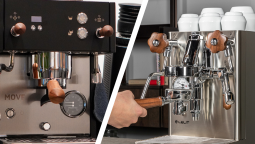 Heat Exchange vs. Dual Boiler Espresso Machines: Which is Right for Home Use?Read more
This guide explains the key differences between Heat Exchanger (HX) and Dual Boiler espresso machines to help home...
2026-06-15 -
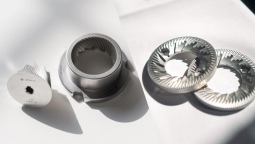 Flat Burr vs Conical Burr Grinders: What's the Difference?Read more
Explore the key differences between flat and conical burr grinders for espresso, including flavour clarity, grind...
2026-05-18 -
 Why Your Coffee Grinder Matters More Than Your Espresso MachineRead more
Learn why the coffee grinder matters more than the espresso machine when making quality espresso at home. This guide...
2026-05-18
Blog categories
Search in blog
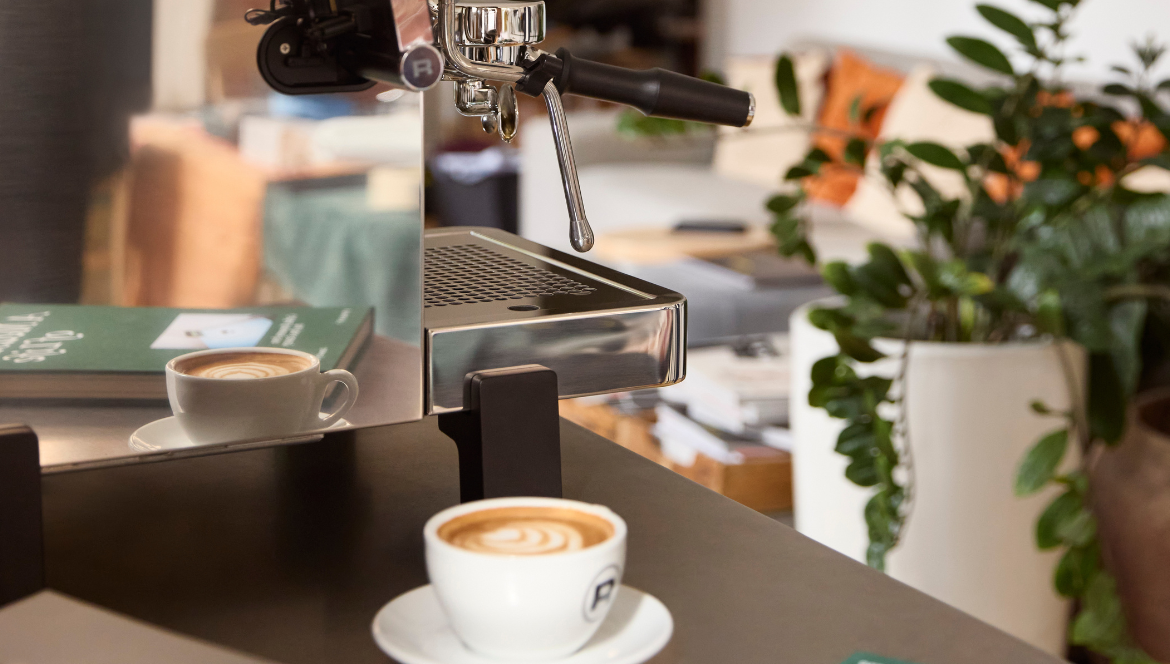
Semi-Automatic vs Fully Automatic Espresso Machines: Pros & Cons
Choosing between a semi-automatic and a fully automatic espresso machine comes down to your priorities. Semi-automatics offer hands-on control and skill-building. Fully automatic machines deliver convenience and consistency by automating key steps. This guide explains how each works, its strengths and drawbacks, and what to consider when picking the best option for your kitchen.
How Semi-Automatic and Fully Automatic Espresso Machines Actually Work
To clearly compare automatic espresso machines, it helps to understand exactly what distinguishes semi-automatic from fully automatic models at a mechanical level.
A semi-automatic espresso machine lets you control the pump, stopping it when your shot is ready. The machine regulates pressure, while you manage dose, grind, tamp, and timing. This format is popular in cafés and among home baristas seeking skill development.
A fully automatic espresso machine automates water delivery. Set a volume or press a button, and extraction starts and stops automatically. Many models handle grinding, brewing, and milk preparation in a single automated sequence, with the user's main input being bean selection and drink choice. Some models allow you to adjust brewing parameters, but most are designed to require minimal effort during use.
Semi-Automatic Espresso Machines: Pros and Cons
Advantages of the Best Semi-Automatic Espresso Machine
A semi-automatic machine's main strength is its control. Each shot reflects your choices: grind size, tamp pressure, shot timing. This connection makes the process educational and satisfying when perfected.
Semi-automatic machines support a wider range of grinder types, allowing enthusiasts to choose the grinding quality they prefer. They are also built to last for years and have serviceable internal parts, unlike the more integrated, fully automatic models.
For anyone drawn to the craft of espresso, the variables, the feedback, the incremental improvement, a semi-automatic machine is the natural home setup.
Limitations of Semi-Automatic Machines
The same control that makes semi-automatic machines rewarding also makes them demanding. Dialling in a shot requires understanding the relationship between grind size, dose, extraction time, and yield. For someone who wants excellent espresso without investing time in that learning curve, a semi-automatic machine can feel like a steep entry point.
Early on, inconsistency is common. A shot that tastes great one day may taste off the next due to small changes in grind or tamping. Practice improves consistency, and most home baristas find their rhythm within a few weeks.
Fully Automatic Espresso Machines: Pros and Cons
Advantages of Fully Automatic Espresso Machines
The main benefit of fully automatic machines is simplicity. Choose a beverage, press a button, and enjoy your drink in seconds. This is ideal for households that need coffee quickly and easily without a preparation routine.
Repeatability is another meaningful advantage. Once a fully automatic machine is programmed to deliver a particular output, it will reproduce that output with high consistency across hundreds of shots. For users who value reliability above customisation, this is the strongest argument for choosing a fully automatic format.
Many top automatic machines include integrated milk systems and programmable menus covering drinks from ristretto to flat white. This convenience becomes particularly valuable in busy morning routines where time is limited.
Limitations of Fully Automatic Machines
Reduced control is the main trade-off. On most fully automatic machines, you work within manufacturer-set parameters. Extraction variables are managed internally, and your ability to adjust them depends on the model and price.
Fully automatic systems with integrated grinders and milk systems require more cleaning and have more components that may need attention over time. Built-in cleaning cycles help manage this, but they do add to the routine maintenance commitment.
At comparable quality levels, fully automatic machines typically cost more than semi-automatics. Semi-automatic machines are often more durable and offer better extraction value at the same price point, due to their simpler mechanical design.
Which Machine Type Is Right for You?
Choose a Semi-Automatic Machine If...
You enjoy making espresso as much as you enjoy drinking it, and you want to develop your barista skills over time. You are willing to invest in a quality grinder separately, understanding that the grinder is as important to shot quality as the machine itself. You primarily drink espresso and manually-prepared milk-based drinks, and you want a machine that will reward your increased skill with progressively better results.
Choose a Fully Automatic Machine If...
You want excellent espresso without a learning curve. Multiple people in your household use the machine, and consistency matters more than customisation. You want a single appliance that handles grinding, brewing, and often milk preparation. You value speed and repeatability over hands-on involvement in the brewing process.
The Honest Middle Ground
Many experienced home baristas start on a semi-automatic machine to develop skill and later add a fully automatic machine for convenience on mornings when there is no time to dial in. The two formats serve different moments rather than competing directly, and understanding that distinction makes the choice considerably easier.
What to Look for in Each Category
Best Semi-Automatic Espresso Machine: Key Buying Criteria
When evaluating a semi-automatic espresso machine, prioritise boiler quality and temperature stability above almost everything else. Single-boiler machines work well for espresso-focused households where steaming and brewing are done sequentially without time pressure. Heat-exchanger machines offer a practical step up for users who want faster workflow and the ability to move between espresso and steam more fluidly, without the added complexity of managing two independent boilers. Dual-boiler machines are the most capable option for those who steam milk frequently and want precise, independent control over brew temperature and steam pressure.
Build quality, group head serviceability, and pump type (vibratory versus rotary) are secondary considerations that matter more at higher price tiers and higher daily use volumes.
Best Automatic Espresso Machine: Key Buying Criteria
When evaluating the best automatic espresso machine, the integrated grinder is the component that most directly determines output quality. Machines with conical burr grinders consistently outperform those with blade or flat disc grinding systems at comparable price points. Brew unit cleanability and milk system quality are the next most important factors.
Adjustable brewing parameters, specifically grind fineness, brew temperature, and water volume, separate entry-level fully automatic machines from prosumer-grade models. If extraction quality matters to you, choose a machine that lets you adjust at least these three variables.
Making the Right Choice for Your Setup
Both semi-automatic and fully automatic espresso machines can produce excellent coffee at home. The decision comes down to how you want to spend your time with the machine. If the brewing process is part of what you enjoy, a semi-automatic setup gives you the feedback and control to keep improving. If the priority is a reliable, high-quality cup with minimal effort every morning, a fully automatic machine delivers that consistently. Either way, the quality of what ends up in your cup is shaped as much by the grinder and the beans as by the machine itself.
Frequently Asked Questions
Q: Which type of machine produces better espresso quality?
A: A semi-automatic machine, operated skillfully, can produce superior espresso to most fully automatic machines at equivalent price points. However, the quality ceiling on a fully automatic machine is high enough that the difference is meaningful primarily for enthusiasts who prioritise extraction nuance. For everyday home use, a well-chosen, fully automatic machine at a mid- to upper-price point will produce excellent espresso consistently.
A beginner can use a semi-automatic, but should expect two to four weeks of practice before achieving consistent results. Good quality beans and reliable guidance help shorten that curve considerably.
Q: Are fully automatic espresso machines harder to maintain?
A: Fully automatic machines with integrated grinders and milk systems require more routine maintenance than semi-automatic machines. Daily rinsing cycles, weekly cleaning programs, and periodic descaling are standard requirements. Semi-automatic machines require regular backflushing, group head cleaning, and descaling, but the process is simpler and the components are generally more accessible.
Q: What is the price difference between semi-automatic and fully automatic machines?
A: At the entry level (under $500), both types are available but with significant quality compromises. The $800 to $2,000 range offers the strongest value in both categories. This is where the best semi-automatic and automatic espresso machines for home use tend to sit. Above $2,000, you enter prosumer territory, with increasingly incremental improvements in quality.
Q: Do I need a separate grinder for a semi-automatic machine?
A: Yes. A quality standalone grinder is essential for a semi-automatic machine, and it is arguably as important as the machine itself. Burr grinders, either flat or conical, are the standard for espresso. A grinder in the $150 to $400 range pairs well with most mid-tier semi-automatic machines and significantly impacts shot quality.
Related posts
-
 Understanding Espresso Machines: Single Boiler, Dual Boiler, and Heat Exchanger Models
Choosing the right espresso machine can elevate your coffee experience to new heights. At Espresso Coffee Shop we...Read more
Understanding Espresso Machines: Single Boiler, Dual Boiler, and Heat Exchanger Models
Choosing the right espresso machine can elevate your coffee experience to new heights. At Espresso Coffee Shop we...Read more -
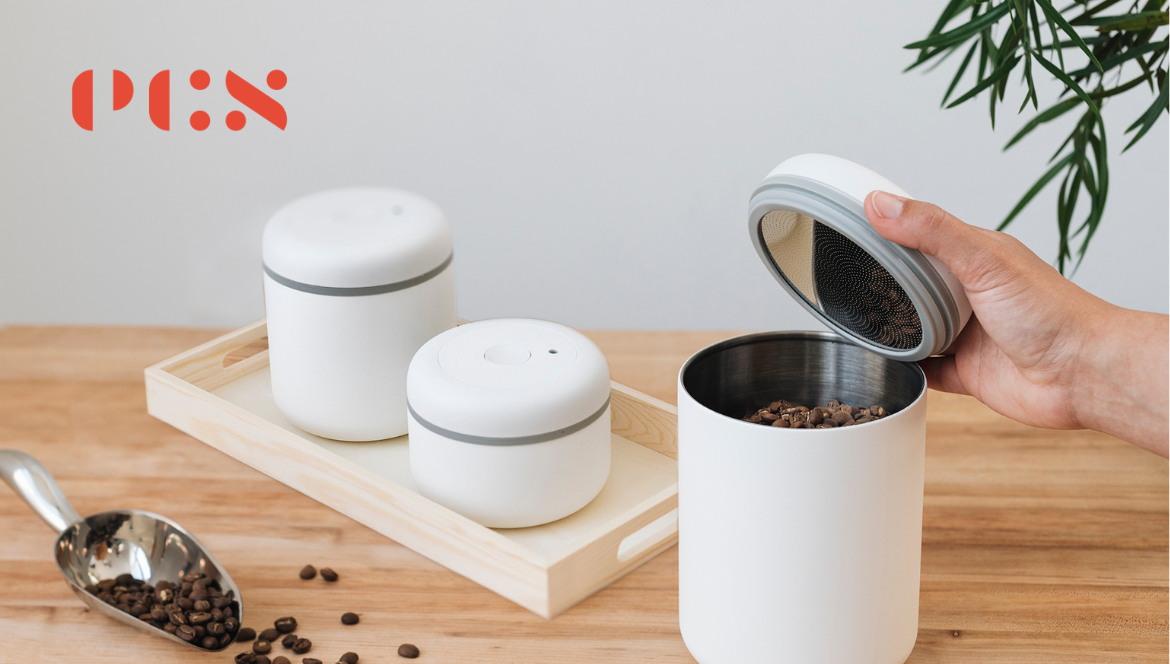 How to properly store coffee
If you, too, are a true coffee enthusiast, meticulously selecting the varieties you like best and eagerly...Read more
How to properly store coffee
If you, too, are a true coffee enthusiast, meticulously selecting the varieties you like best and eagerly...Read more -
 All about a good tamping
To make good coffee, it is important to have the right equipment, quality coffee and not only. It is also necessary...Read more
All about a good tamping
To make good coffee, it is important to have the right equipment, quality coffee and not only. It is also necessary...Read more -
 Flat or conical burrs? That is the question
The coffee grinder is among the most important equipment for any barista and home barista. When it comes to choosing...Read more
Flat or conical burrs? That is the question
The coffee grinder is among the most important equipment for any barista and home barista. When it comes to choosing...Read more -
 Arabica vs. Robusta: the main differences between the two most popular coffee varieties
When it comes to choosing the perfect coffee, there are two names that immediately come to mind: Arabica and...Read more
Arabica vs. Robusta: the main differences between the two most popular coffee varieties
When it comes to choosing the perfect coffee, there are two names that immediately come to mind: Arabica and...Read more
Leave a comment