



Comparing two of Italy's finest dual-boiler espresso machines the La Marzocco Linea Mini R and the Rocket R58 Tune...
Please, visit the correct shop for your location:
USA Site

-
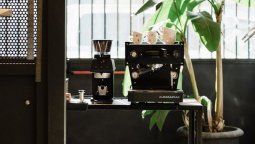 La Marzocco Linea Mini R vs Rocket R58 Tune : A Home Barista ComparisonRead more2026-06-24
 -
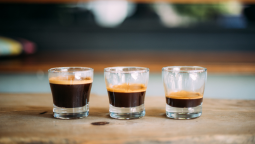 Dose-to-Yield Ratio Explained: How to Dial In the Perfect Espresso Every TimeRead more
Mastering the espresso dose-to-yield ratio is one of the fastest ways to improve shot consistency and flavour. This...
2026-06-16 -
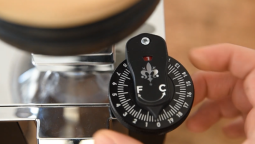 How to Dial In Your Coffee Grinder for a Perfect Espresso ShotRead more
This comprehensive guide explains how to dial in a coffee grinder for better espresso extraction, covering...
2026-06-15 -
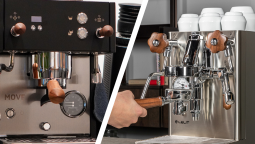 Heat Exchange vs. Dual Boiler Espresso Machines: Which is Right for Home Use?Read more
This guide explains the key differences between Heat Exchanger (HX) and Dual Boiler espresso machines to help home...
2026-06-15 -
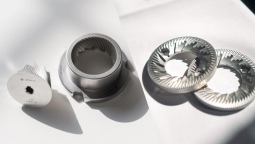 Flat Burr vs Conical Burr Grinders: What's the Difference?Read more
Explore the key differences between flat and conical burr grinders for espresso, including flavour clarity, grind...
2026-05-18 -
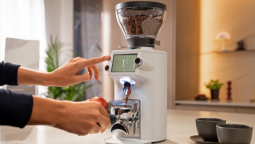 Why Your Coffee Grinder Matters More Than Your Espresso MachineRead more
Learn why the coffee grinder matters more than the espresso machine when making quality espresso at home. This guide...
2026-05-18 -
 Semi-Automatic vs Fully Automatic Espresso Machines: Pros & ConsRead more
Learn how to clean a coffee grinder properly with this practical step-by-step guide for burr and blade grinders....
2026-05-18 -
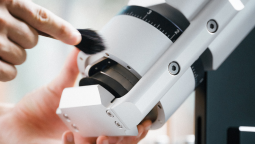 How to Clean Your Coffee Grinder: Step-by-Step GuideRead more
Learn how to clean a coffee grinder properly with this practical step-by-step guide for burr and blade grinders....
2026-05-18 -
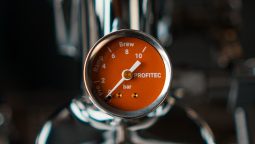 What is Pressure Profiling and Why Does It Matter for Espresso?Read more
Espresso pressure profiling is a technique that allows baristas to control how water pressure changes throughout the...
2026-04-21 -
 How to Choose Your First Home Espresso Machine in the UKRead more
Choosing your first espresso machine is simple. Focus on pump pressure, boiler type, ease of use, and consistency....
2026-04-21
Blog categories
Search in blog
Why Your Coffee Grinder Matters More Than Your Espresso Machine
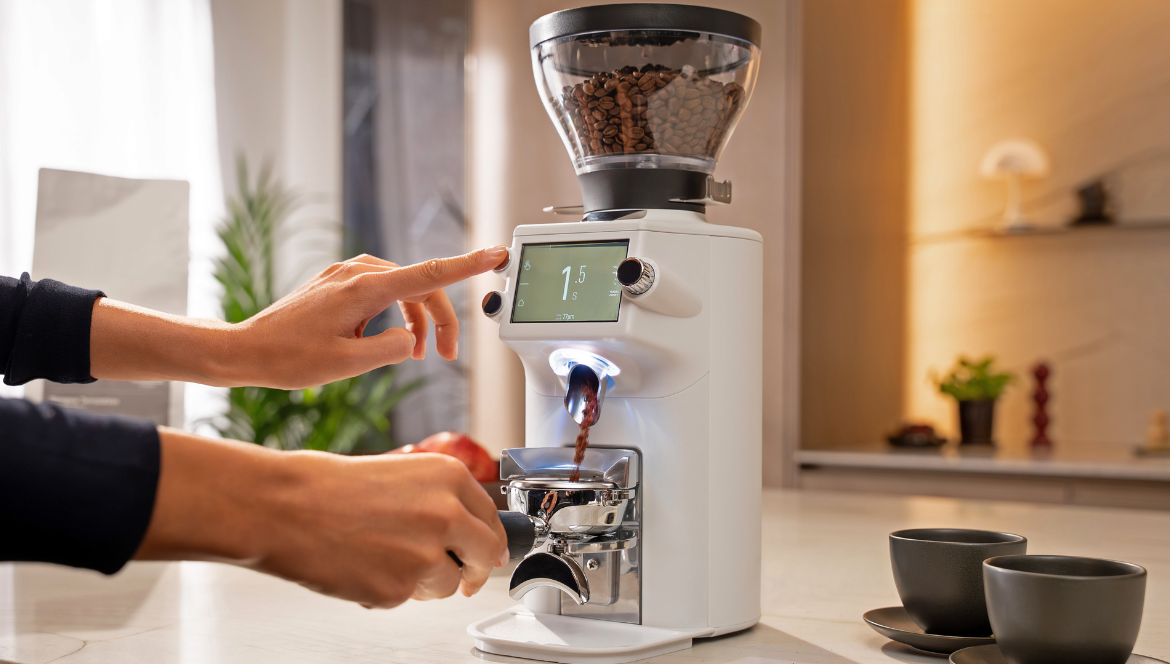
One essential insight separates experienced home baristas from beginners: coffee grinder and espresso quality are paramount. In the grinder vs machine debate, the grinder wins almost every time. A mediocre espresso machine paired with an excellent grinder will reliably outperform an expensive machine paired with a poor one. This is not a contrarian position; it is the consensus of speciality coffee professionals, competition baristas, and equipment engineers who understand what actually drives extraction quality. This article explains exactly why, what to look for when upgrading your coffee grinder, and how to identify the best espresso grinder within your budget.
The Importance of a Coffee Grinder for Espresso: Understanding the Fundamentals
Grind Consistency Is the Foundation of Every Shot
Espresso is demanding. For 25 to 30 seconds, water passes through packed coffee at high pressure. Grind consistency, or particle size uniformity, ensures that water flows evenly and extracts the best flavour.
When grind sizes vary, fines become bitter and coarse bits taste sour. The shot ends up flat or harsh, not because of the machine but because of grinder inconsistencies.
A good burr grinder creates uniform particles. This gives even water contact and stable extraction, producing the clarity and sweetness of a quality espresso.
Why the Machine Cannot Fix a Bad Grind
Espresso machines control pressure, temperature, and flow. These are significant variables, but they operate on whatever the grinder delivers. If the grind is inconsistent, the machine has no mechanism to correct it. Increasing temperature does not resolve uneven particle distribution. Better pressure profiling does not compensate for a bimodal grind with too many fines.
This is the core logic behind the grinder-first principle in the grinder vs machine discussion. The machine amplifies what the grinder provides. A consistent grind on a modest machine produces a drinkable, often excellent shot. An inconsistent grind on a flagship machine produces an unpredictable one. Investing in grind quality before machine quality is not a compromise; it is the correct sequence.
What Makes the Best Grinder for Espresso
Understanding grinder quality starts with understanding burr design and grind mechanics.
Burr Type and Geometry
The most meaningful distinction in espresso grinder design is between burr grinders and blade grinders. Blade grinders chop coffee randomly, producing a chaotic range of particle sizes. They are not suitable for espresso. All serious espresso grinders use burrs, two abrasive surfaces that crush coffee into a defined size range by adjusting the gap between them.
Burr grinders come in flat or conical forms. Flat burrs give narrower particle sizes and are valued for clarity. Conical burrs create a slightly wider distribution with more body. Both are excellent; the difference matters most to advanced users.
Larger burrs stay cooler, protecting coffee flavours and boosting consistency during heavy use. The best grinders balance burr size, geometry, and durability for their price range.
Grind Adjustment Precision and Retention
Espresso is sensitive to grind size. Stepped grinders allow repeatable settings but limit precision. Stepless models give more control but need care.
Grind retention impacts dose accuracy and freshness. Low-retention grinders are preferred for weighing and grinding one dose at a time, preventing stale grounds from remaining in the grinder.
Upgrading Your Coffee Grinder: When and How to Prioritise It
The Investment Sequence That Professionals Recommend
Upgrading your coffee grinder should come before upgrading your machine. For those using entry-level machines and experiencing inconsistency, start diagnostics with the grinder. A quality mid-range grinder can transform results with basic machines much more than upgrading a poor grinder.
The practical budget guidance that circulates among speciality coffee professionals suggests allocating at least as much to the grinder as to the machine, and ideally more. A common recommendation for serious home espresso is a mid- to upper-range grinder paired with a mid-range machine, rather than a budget grinder with a top-tier machine. The main takeaway is to invest in grinder quality for the best value and results.
Signs That Your Grinder Is the Limiting Factor
Several symptoms point toward the grinder as the source of extraction problems. If your shots channel consistently despite careful tamping and distribution, grind consistency is a likely cause. If your espresso tastes simultaneously bitter and sour in the same cup, an uneven grind distribution is the most likely culprit. If small adjustments to grind size produce unpredictable changes in shot time rather than smooth, proportional shifts, burr quality or alignment may be the issue.
These are problems that machine upgrades do not resolve. They require addressing the grind.
Grinder vs Machine: A Practical Framework for Decision Making
How to Evaluate Your Current Setup
When deciding where to invest in your home espresso setup, a structured evaluation helps. Start by identifying the current weakest link. If you are using a blade grinder or a basic burr grinder not designed for espresso, the grinder is almost certainly the limiting factor, regardless of what machine you own.
If you already have a dedicated espresso burr grinder and your shots are inconsistent, then machine factors such as temperature stability, pressure accuracy, and group head design become more relevant diagnostics.
Grinder quality matters most in early home setups. As your equipment improves, grinder and machine matter equally but for most enthusiasts, the grinder has the biggest impact.
The Bottom Line on Grinder Priority
Espresso quality begins with the grinder, not the machine. No amount of machine-side precision can correct what the grinder gets wrong. Upgrading your coffee grinder is not secondary; it is the primary decision for most home baristas.
The grinder does not get the credit it deserves in mainstream coffee equipment conversations, where machine aesthetics and brand recognition tend to dominate. But among the people who spend serious time dialling in espresso, the hierarchy is clear: grind quality first, machine quality second, everything else after. The takeaway: focus on grind quality to achieve the best espresso at home.
Frequently Asked Questions
Q: Does a better grinder really make a noticeable difference in espresso taste?
A: Yes, and the difference is typically immediate and significant. Moving from a blade grinder or a low-quality burr grinder to a dedicated espresso burr grinder produces clearer flavour, better sweetness, and more consistent shot timing. For most home setups, it is the single upgrade with the highest sensory return.
Q: Should I buy an expensive espresso machine or a better grinder first?
A: The grinder comes first. A mid-range espresso machine paired with a quality grinder will consistently outperform a premium machine paired with a poor grinder. If the budget requires a choice between the two, prioritise grind quality and upgrade the machine later.
Q: How often should I replace or upgrade my espresso grinder?
A: Quality burr grinders are designed for long service lives, often ten or more years with regular cleaning and occasional burr replacement. Upgrade decisions are typically driven by burr wear, which affects particle consistency, or by a desire to move to larger or more precisely engineered burr sets as espresso skill level increases.
Q: What grind setting should I use for espresso?
A: Espresso requires a fine grind finer than drip coffee but coarser than Turkish coffee. The correct setting varies by grinder, bean, and roast level. The practical method is to dial in by shot time: a 1:2 ratio (18g in, 36g out) in 25 to 30 seconds is a reliable starting point. Adjust to a finer grind if the shot runs fast and tastes sour, and to a coarser grind if it runs slow and tastes bitter.
Related posts
-
 Understanding Espresso Machines: Single Boiler, Dual Boiler, and Heat Exchanger Models
Choosing the right espresso machine can elevate your coffee experience to new heights. At Espresso Coffee Shop we...Read more
Understanding Espresso Machines: Single Boiler, Dual Boiler, and Heat Exchanger Models
Choosing the right espresso machine can elevate your coffee experience to new heights. At Espresso Coffee Shop we...Read more -
 How to properly store coffee
If you, too, are a true coffee enthusiast, meticulously selecting the varieties you like best and eagerly...Read more
How to properly store coffee
If you, too, are a true coffee enthusiast, meticulously selecting the varieties you like best and eagerly...Read more -
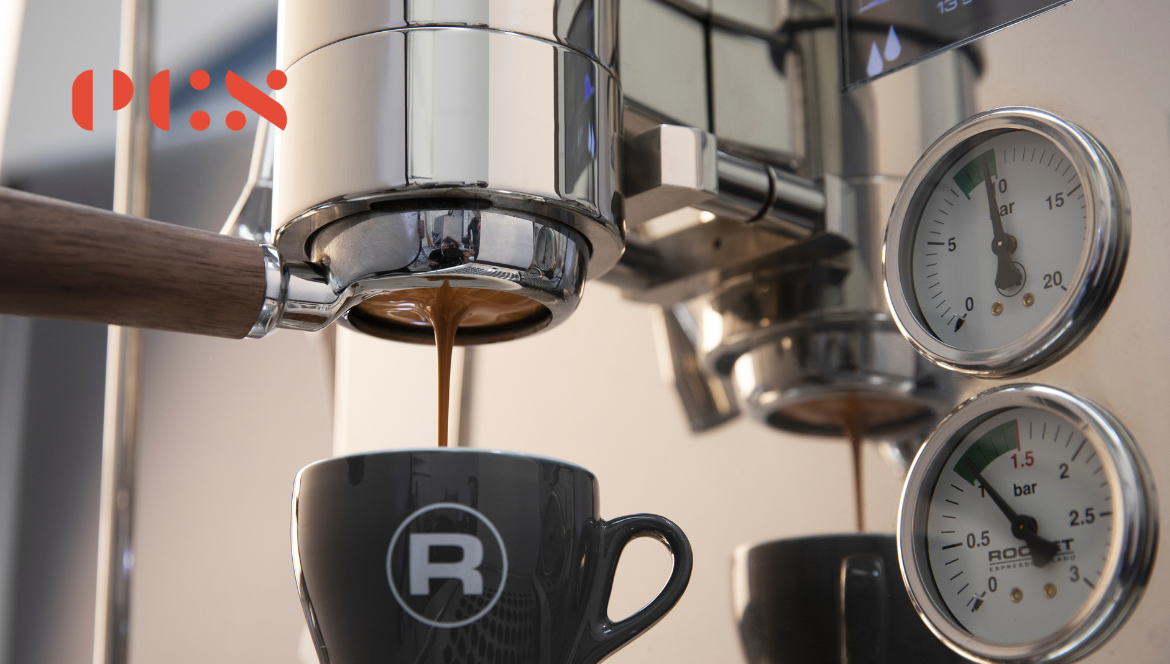 Bottomless portafilter? Here are the aspects to be considered
The search for the perfect espresso is a long road, and there are several tools that can help achieve the perfect...Read more
Bottomless portafilter? Here are the aspects to be considered
The search for the perfect espresso is a long road, and there are several tools that can help achieve the perfect...Read more -
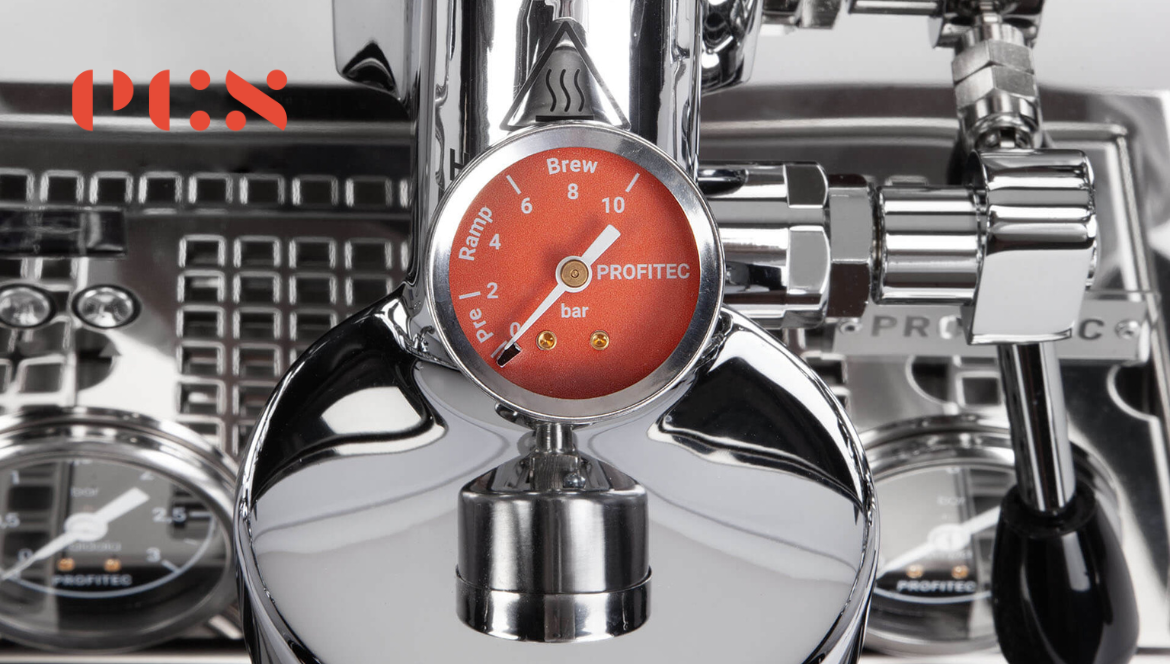 PROFITEC DRIVE: the home machine with professional performance
Drive is the most recent entry in the Profitec household and the evolution of the already highly appreciated Pro 700....Read more
PROFITEC DRIVE: the home machine with professional performance
Drive is the most recent entry in the Profitec household and the evolution of the already highly appreciated Pro 700....Read more -
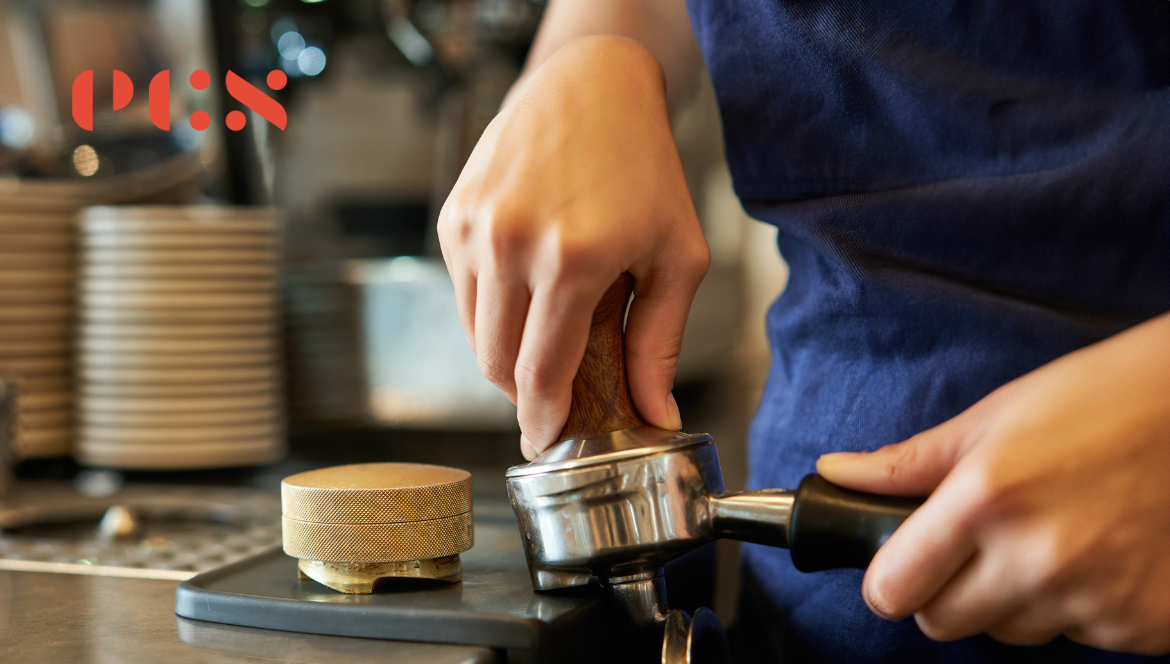 All about a good tamping
To make good coffee, it is important to have the right equipment, quality coffee and not only. It is also necessary...Read more
All about a good tamping
To make good coffee, it is important to have the right equipment, quality coffee and not only. It is also necessary...Read more
Leave a comment