



Choosing between the Lelit Bianca and ECM Synchronika can be difficult for home baristas looking for a high-end PID...
Please, visit the correct shop for your location:
USA Site

-
 Lelit Bianca vs ECM Synchronika: Which PID Dual Boiler Wins?Read more2026-08-27
 -
 Single Dose vs. Hopper Grinding: Which Setup Suits Your Home Coffee Routine?Read more
Single-dose and hopper grinders suit different home coffee routines. A single-dose grinder is ideal for coffee...
2026-08-27 -
 Understanding Group Heads: E61, Saturated & Thermosyphon ExplainedRead more
E61 group head explained how it works, plus saturated and thermosyphon designs compared, so you can choose the right...
2026-08-24 -
 Commercial Espresso Machine Buyers Guide for UK Cafés and RestaurantsRead more
A UK buyer's guide to choosing the right commercial espresso machine boiler types, key features, costs, and matching...
2026-08-21 -
 Mahlkönig E65S vs Eureka Atom: Commercial Grinder ShowdownRead more
Compare the Mahlkönig E65S and Eureka Atom to find the right grinder for your café or home setup. This guide covers...
2026-07-15 -
 Lelit Machine Maintenance Guide: Keeping Your Investment in Top ConditionRead more
Keep your Lelit espresso machine performing at its best with a simple maintenance routine. This guide covers daily...
2026-07-13 -
 How Burr Size and RPM Affect Grind Quality: A Technical Guide for Home BaristasRead more
Discover how burr size and grinder RPM shape espresso flavour, consistency, heat, and extraction quality. This guide...
2026-07-10 -
 Rancilio Silvia Pro X: In-Depth Review for UK Home BaristasRead more
Discover whether the Rancilio Silvia Pro X is the right upgrade for your home coffee setup. This review covers its...
2026-07-10 -
 La Marzocco Linea Mini R vs Rocket R58 Tune : A Home Barista ComparisonRead more
Comparing two of Italy's finest dual-boiler espresso machines the La Marzocco Linea Mini R and the Rocket R58 Tune...
2026-06-24 -
 Dose-to-Yield Ratio Explained: How to Dial In the Perfect Espresso Every TimeRead more
Mastering the espresso dose-to-yield ratio is one of the fastest ways to improve shot consistency and flavour. This...
2026-06-16
Blog categories
Search in blog
How to Dial In Your Coffee Grinder for a Perfect Espresso Shot
Dialling in your coffee grinder is one of the most important skills any home espresso enthusiast can develop. Whether you are pulling your first shot or fine-tuning a new bean, grind calibration sits at the heart of everything. Get it right, and you will taste sweetness, clarity, and depth. Get it wrong, and no amount of expensive equipment will rescue your cup.
This guide walks you through the entire process in plain terms: what grind size actually means for espresso, why your grinder matters more than most people realise, how to read your shot and adjust accordingly, and which grinders make the job significantly easier. Follow the process from dose to taste, and by the end, you will have a reliable method you can apply every time you change a bag of coffee.
Why Grind Calibration Makes or Breaks Your Espresso
Espresso is an unforgiving brew method. Water at roughly 93°C passes through a compacted puck of ground coffee at 9 bars of pressure in 25 to 35 seconds. Every variable interacts. But grind size is the variable with the widest range of influence.
Grind too coarse and water passes through too quickly, leaving you with a thin, sour, under-extracted shot that lacks body. Grind too fine, and the puck resists the water, producing a slow, bitter, over-extracted result that coats your tongue unpleasantly. The target is a narrow window in between, and that window shifts every time you switch beans, change your roast level, or notice a change in humidity.
The grinder is not a background appliance. It is the primary instrument of espresso. Your machine executes; your grinder decides the outcome.
At Espresso Coffee Shop UK, the team curates espresso grinders, machines, and accessories for home baristas and professionals who refuse to compromise on quality. Every product recommendation below comes from that catalogue.
Understanding Grind Size for Espresso: Start with the basics of what grind size means, then use that knowledge to choose the right setting.
Grind size refers to how large or small the coffee particles are after the burrs have processed the beans. For espresso, you need a fine grind, but fine is relative. A grind that works perfectly for one bean and one roast level may produce an undrinkable shot with another.
Burr grinders produce a consistent particle size distribution, which is why they are always recommended over blade grinders for espresso. Flat burrs tend to produce a narrower particle distribution, resulting in greater clarity and sweetness. Conical burrs often retain slightly more oils and can produce a richer, denser cup.
Stepless vs. Stepped Adjustment
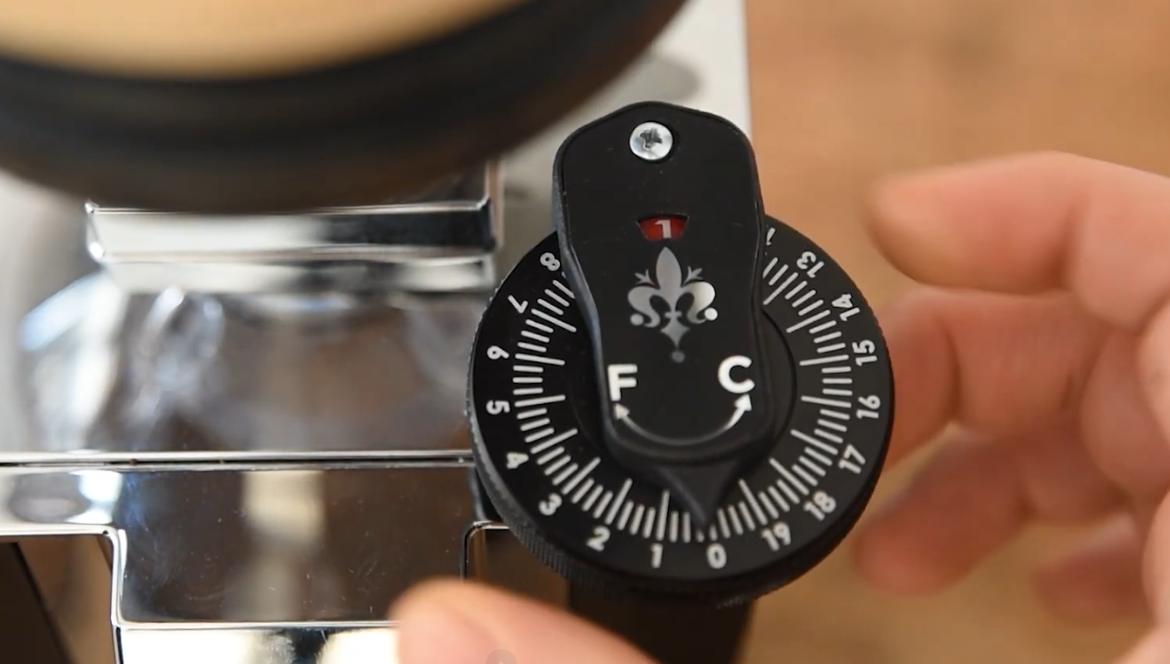
Stepped grinders move in fixed increments, which is fine for many uses but limiting when you need a subtle correction. Stepless grinders allow infinitely fine adjustment, giving you genuine precision during the dialling-in process. For serious espresso work, stepless control is not a luxury; it is practical.
Stepped grinders move in fixed increments, which is fine for many uses but limiting when you need a subtle correction. Stepless grinders allow infinitely fine adjustment, giving you genuine precision during the dialling-in process. For serious espresso work, stepless control is not a luxury; it is practical.
How to Dial In Your Coffee Grinder: A Step-by-Step Method
Step 1: Start With Your Dose
Before you touch the grind setting, decide on your dose. For a standard 18g double shot, a 1:2 ratio output is a reasonable starting point. That means 18g in, 36g out of espresso. Weigh everything. Guessing is the enemy of consistency.
Step 2: Set a Starting Grind Point
If you are using a new bean, begin slightly coarser than you think you need. It is far easier to correct a fast, sour shot by grinding finer than it is to recover from a machine-choking grind that bricks your puck and ruins your portafilter seal.
Aim for a shot that runs in around 25 to 35 seconds from the moment the pump starts to the moment you stop the extraction. A pre-infusion phase on machines that offer it can slightly extend this window.
Step 3: Pull the Shot and Observe
Watch the flow. A well-dialed shot should begin as a slow drip, then transition into a steady, honey-like stream. It should not gush or spurt. The colour should move from deep brown to a lighter caramel as extraction progresses.
Signs you need to go finer: Shot runs too fast (under 25 seconds), tastes sour or sharp, lacks body.
Signs you need to go coarser: Shot runs too slow (over 40 seconds), tastes bitter or dry, has no sweetness.
Step 4: Adjust in Small Increments
One notch or a small stepless move at a time. After every adjustment, purge a small amount of coffee through the grinder to clear old grounds from the burr chamber before pulling a fresh shot. Failing to purge means you are tasting the previous grind setting rather than the new one.
Step 5: Taste Critically Technology is a guide, but your palate is the final arbiter. A shot can hit all the right numbers and still taste flat if the beans are stale. Once your numbers look right, focus on flavor. Sweetness and balance are what you are after. If one is missing, continue adjusting.
When you open a new bag of the same coffee, expect to re-dial. Roast date, storage conditions, and even seasonal humidity affect grind behavior.
A Grinder That Makes Dialing In Considerably Easier
Eureka Atom W 65 Casa: Precision at Home
If you want to eliminate guesswork from the dialling-in process, a grind-by-weight grinder changes the game entirely. The Eureka Atom W 65 Casa is exactly that kind of machine, because it keeps dose control separate from grind adjustment.
Rather than relying on a timer to estimate dose, it grinds to a precise target weight using its Instant Grind Weighing Technology, a patented system that stops grinding the moment your target is reached. This removes dose variation from the equation entirely, so when you are dialing in, the only variable you are actually adjusting is grind size.
The 65mm flat burrs produce a consistent particle distribution suited to both espresso and filter methods. The stepless micrometric adjustment gives you the precise control that dialling in genuinely requires.
Eureka Atom W 65 Casa Coffee Grinder
Price: £899.00 | Available at Espresso Coffee Shop UK
65mm flat burrs, Instant Grind Weighing Technology (Grind by Weight), stepless micrometric adjustment, and a sleek Italian design. Ideal for home baristas who want professional-level consistency in every dose.
View Product on Espresso Coffee Shop UK
Grinder Comparison: Choosing the Right Tool for Your Setup
Not every home barista needs the same grinder. Here is a straightforward comparison between the two standout options available at Espresso Coffee Shop UK.
|
Feature |
Eureka Atom W 65 Casa |
Option-O Lagom P80 |
|
Burr Size |
65mm Flat Burrs |
80mm Flat Burrs |
|
Grind Method |
Grind by Weight |
Single Dose |
|
Adjustment |
Stepless Micrometric |
Stepless |
|
Best For |
Home Espresso + Filter |
Espresso Enthusiast |
|
Price (approx.) |
£899 |
£1,900 |
Option-O Lagom P80: When You Want to Go Further
For those who approach espresso as a genuine pursuit rather than a morning habit, the Option-O Lagom P80 is a benchmark grinder. Its 80mm Mizen flat burrs produce exceptional particle uniformity, and its single-dose workflow means zero retention between shots, which is exactly what you need when regularly switching between different coffees.
The dialling-in experience on the P80 is exceptionally refined. Changes in grind settings are predictable and linear, making it faster and less wasteful to find your window.
Option-O Lagom P80 Coffee Grinder (Mizen 80om Burrs)
Price: £1,900.00 | Available at Espresso Coffee Shop UK
80mm Mizen flat burrs, zero-retention single-dose design, stepless adjustment, and a premium build quality that rivals commercial-grade grinders. The choice for a serious home espresso setup.
View Product on Espresso Coffee Shop UK
Common Dialling-In Mistakes and How to Avoid Them
Using stale coffee to dial in
Old beans off-gas differently and produce unpredictable resistance. Always use fresh coffee (ideally 7 to 21 days post-roast) when calibrating. Once you have your grind setting, switching to a fresher batch of the same bean may require a small adjustment.
Ignoring the purge step
After every grind adjustment, run a few grams through the grinder and discard them. Old coffee sitting in the burr chamber will mask your new setting. This step is fast and wastes very little; skipping it wastes entire shots.
Changing too many variables at once
If you change grind size and dose simultaneously, you will not know which adjustment caused which result. Change one thing at a time. Write it down if you have to. Methodical adjustment is efficient adjustment.
Trusting time over weight
Shot time is a useful indicator, but it is not the full picture. A 28-second shot can still taste unbalanced if your dose is inconsistent. Invest in a set of precision scales if you have not already. The consistency payoff is immediate.
Explore the Full Range at Espresso Coffee Shop UK
Espresso Coffee Shop UK stocks an expertly selected range of professional-grade espresso grinders for home and commercial use. Whether you are starting out or upgrading an existing setup, browse the full collection of coffee grinders to find the right match for your workflow and budget.
Looking for a complete home espresso setup? The espresso machine and grinder bundles pair complementary equipment at genuinely considered price points, removing the guesswork from building your setup.
Frequently Asked Questions
Q: How long does it take to dial in an espresso grinder?
A: For an experienced home barista, dialling in a familiar bean typically takes three to five shots. When switching to a completely new bean or roast level, allow up to ten shots. Single-dose grinders like the Option-O Lagom P80 tend to produce more predictable results and can shorten this process.
Q: Does grind size change when I switch coffee beans?
A: Yes, every time. Different beans have different densities, moisture levels, and roast profiles, all of which affect how they respond to pressure and heat. Light roasts are typically denser and require a finer grind than darker roasts. Always re-dial when you open a new bag.
Q: What is the difference between grind by weight and grind by time?
A: Grind by time uses a timer to estimate the dose, which can drift as beans age or humidity changes. Grind by weight measures the actual output on a built-in scale and stops precisely when your target is reached. The Eureka Atom W 65 Casa uses grind-by-weight, which eliminates dose variation in your workflow entirely.
Q: Can I use the same grinder for espresso and filter coffee?
A: Many flat-burr grinders can cover both brew methods, though you will need to make significant grind adjustments when switching. An all-purpose grinder like the Eureka Atom W 65 Casa handles both reasonably well. Dedicated single-dose grinders, such as the Option-O Lagom P80, are built primarily for espresso-range precision.
Q: How often should I clean my coffee grinder?
A: For home use, a thorough burr cleaning every two to four weeks is generally sufficient if you use it daily. More frequent use or switching between oily, dark-roasted and lighter beans warrants more regular cleaning. Residue build-up inside the burr chamber will cause inconsistency and off-flavours that no amount of dialling in can correct.
Related posts
-
 ICED LATTE: our favorite summer drink
As summer temperatures rise, so does the craving for a refreshing drink. Our solution is called Iced Latte, a combo...Read more
ICED LATTE: our favorite summer drink
As summer temperatures rise, so does the craving for a refreshing drink. Our solution is called Iced Latte, a combo...Read more -
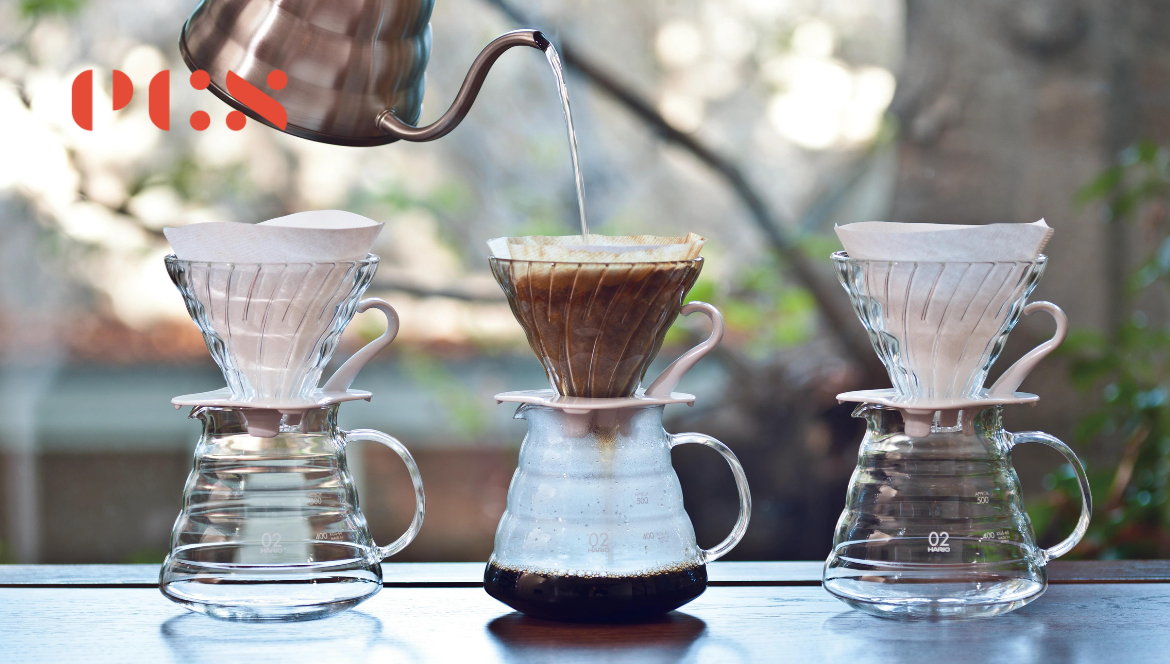 The art of pour over coffee with HARIO V60
Americano coffee, coffee infusion, French press, pour over-- lots of brewing methods exist besides espresso. Among...Read more
The art of pour over coffee with HARIO V60
Americano coffee, coffee infusion, French press, pour over-- lots of brewing methods exist besides espresso. Among...Read more -
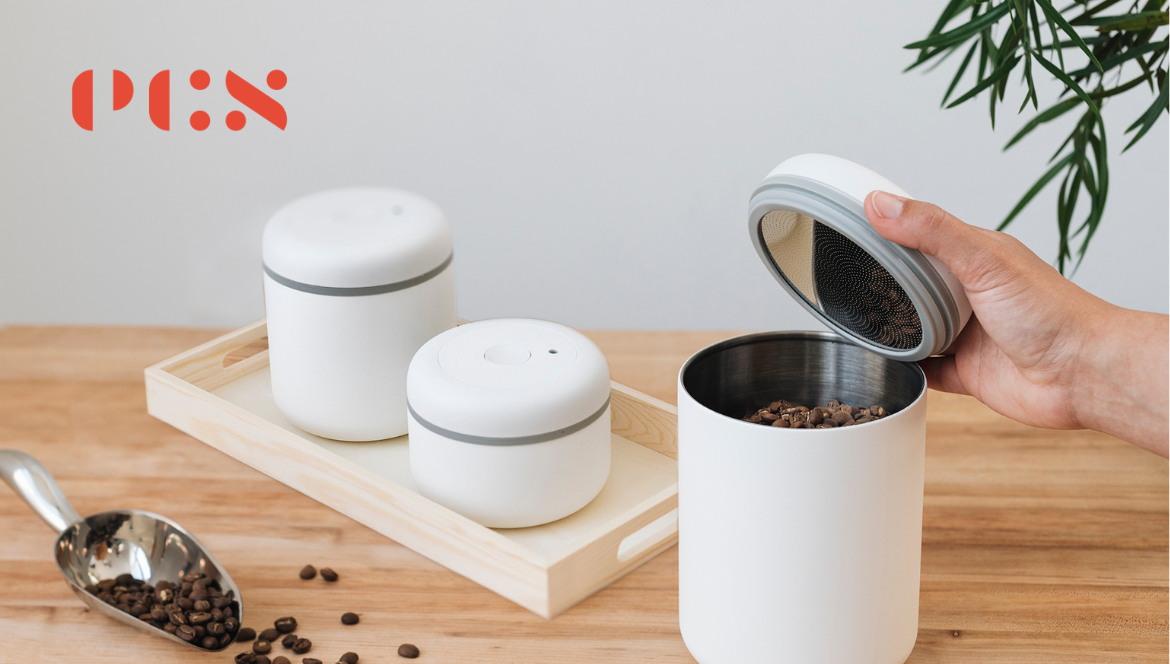 How to properly store coffee
If you, too, are a true coffee enthusiast, meticulously selecting the varieties you like best and eagerly...Read more
How to properly store coffee
If you, too, are a true coffee enthusiast, meticulously selecting the varieties you like best and eagerly...Read more -
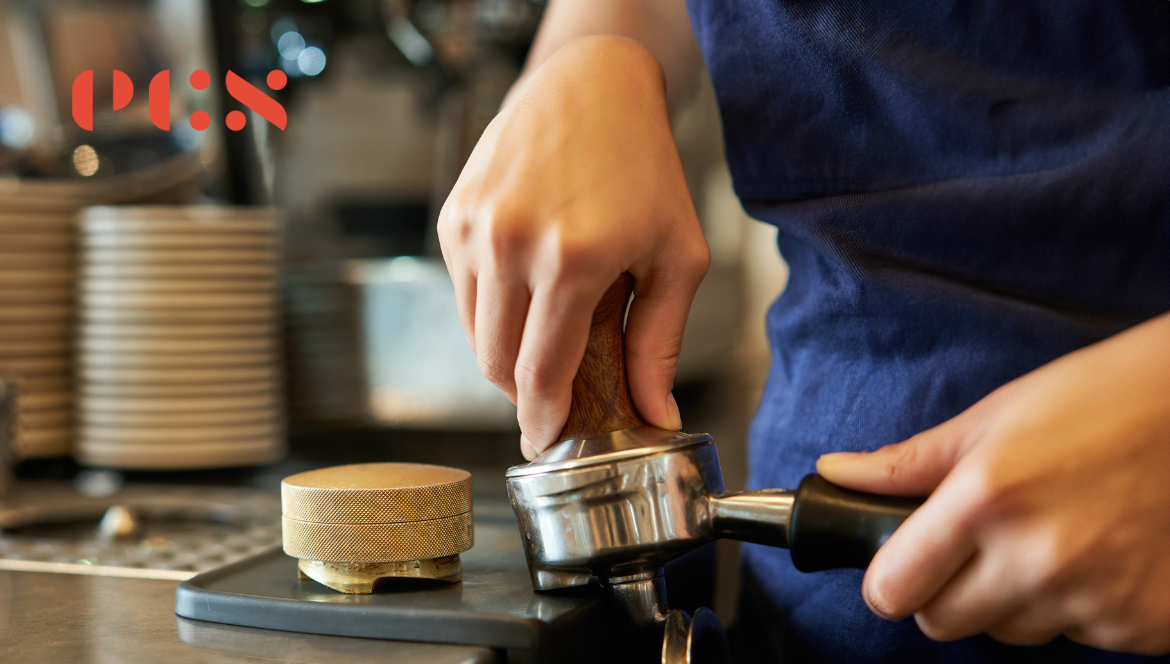 All about a good tamping
To make good coffee, it is important to have the right equipment, quality coffee and not only. It is also necessary...Read more
All about a good tamping
To make good coffee, it is important to have the right equipment, quality coffee and not only. It is also necessary...Read more -
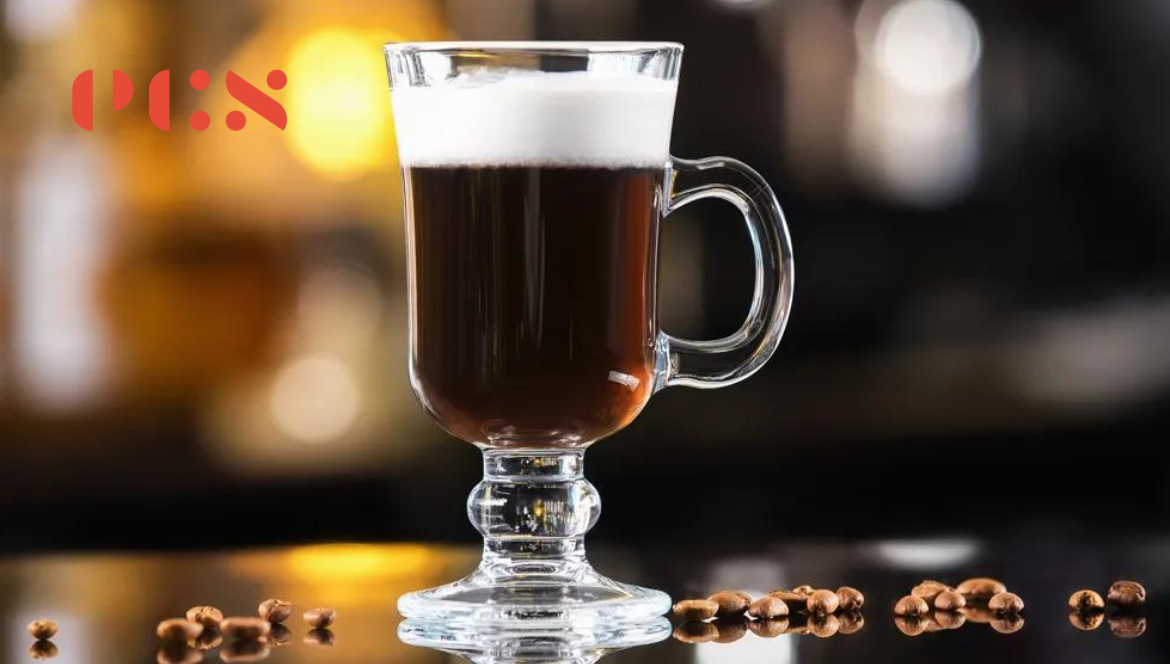 Celebrating St. Patrick's Day with Irish Coffee: an easy step-by-step preparation guide
St. Patrick's Day is the perfect time to celebrate with a classic Irish drink: Irish Coffee. Here's how to make...Read more
Celebrating St. Patrick's Day with Irish Coffee: an easy step-by-step preparation guide
St. Patrick's Day is the perfect time to celebrate with a classic Irish drink: Irish Coffee. Here's how to make...Read more
Leave a comment