



The Profitec Go has earned its place as our top-selling espresso machine by striking the right balance between...
Please, visit the correct shop for your location:
USA Site

-
 Why the Profitec Go is our best-selling espresso machine and why customers love itRead more2026-09-29
 -
 Eureka grinders: the Italian craftsmanship behind some of the quietest grinders on the marketRead more
Eureka has spent over a century refining the art of Italian grinder engineering, and quiet operation is where that...
2026-09-28 -
 Why Lelit has become a go-to brand for home espresso enthusiasts worldwideRead more
Lelit has earned its place among the world's most trusted home espresso brands by combining genuine Italian...
2026-09-28 -
 Single Dose Grinders: Why They're Taking Over the Home Barista WorldRead more
Single-dose grinders are reshaping how home baristas think about freshness. Instead of loading a hopper and grinding...
2026-09-24 -
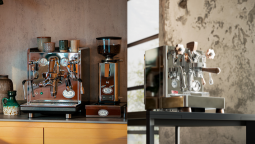 Lelit Bianca vs ECM Synchronika: Which PID Dual Boiler Wins?Read more
Choosing between the Lelit Bianca and ECM Synchronika can be difficult for home baristas looking for a high-end PID...
2026-08-27 -
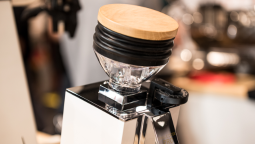 Single Dose vs. Hopper Grinding: Which Setup Suits Your Home Coffee Routine?Read more
Single-dose and hopper grinders suit different home coffee routines. A single-dose grinder is ideal for coffee...
2026-08-27 -
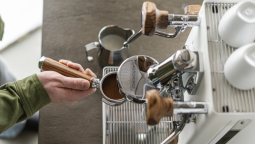 Understanding Group Heads: E61, Saturated & Thermosyphon ExplainedRead more
E61 group head explained how it works, plus saturated and thermosyphon designs compared, so you can choose the right...
2026-08-24 -
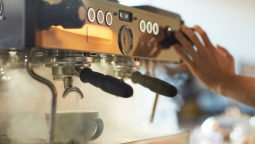 Commercial Espresso Machine Buyers Guide for UK Cafés and RestaurantsRead more
A UK buyer's guide to choosing the right commercial espresso machine boiler types, key features, costs, and matching...
2026-08-21 -
 Mahlkönig E65S vs Eureka Atom: Commercial Grinder ShowdownRead more
Compare the Mahlkönig E65S and Eureka Atom to find the right grinder for your café or home setup. This guide covers...
2026-07-15 -
 Lelit Machine Maintenance Guide: Keeping Your Investment in Top ConditionRead more
Keep your Lelit espresso machine performing at its best with a simple maintenance routine. This guide covers daily...
2026-07-13
Blog categories
Search in blog
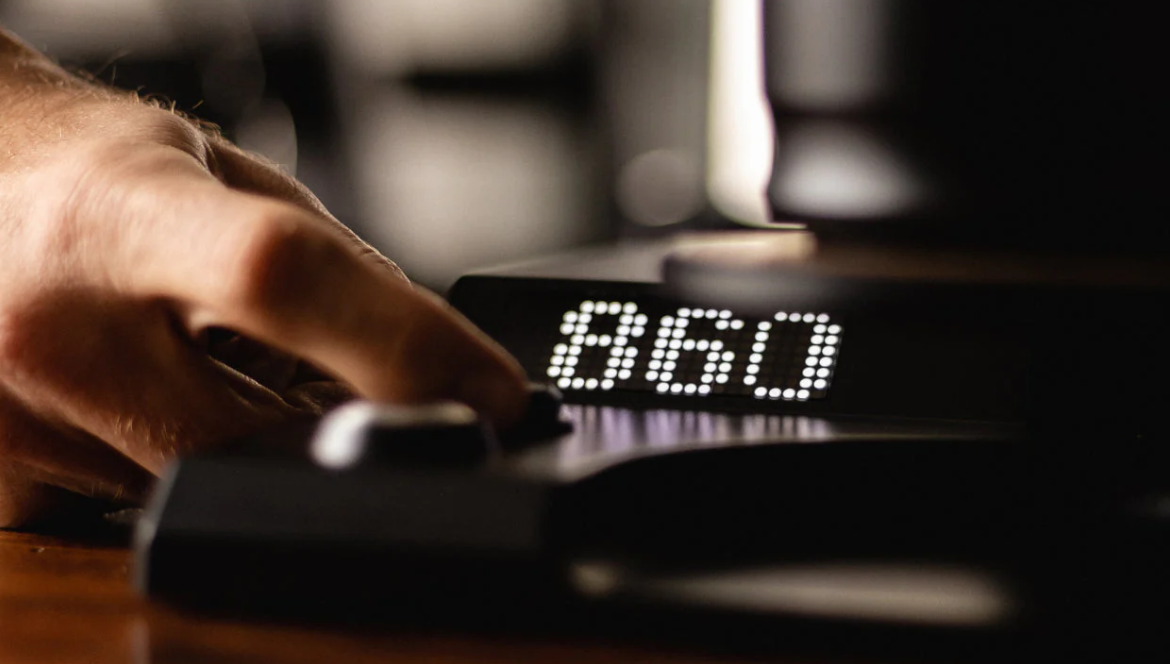
How Burr Size and RPM Affect Grind Quality: A Technical Guide for Home Baristas
You've upgraded your espresso machine, dialed in your favorite beans, and yet your shots still taste flat or sour. The culprit is often hiding in plain sight: your grinder. Specifically, the burr-size grinder espresso setup you're using has a bigger impact on flavor than most home baristas realize, and understanding it is the fastest way to fix inconsistent shots for good.
Why Burr Size Matters More Than You Think
Burrs are the toothed discs (flat or conical) that crush coffee beans into particles. Their diameter, measured in millimeters, determines how much surface area is available to process beans at any given moment.
Larger burrs, typically 64mm and above, cut beans in fewer passes, generating less friction heat and producing a more uniform particle size. Smaller burrs, common in entry-level grinders (38–50mm), work the beans harder to achieve the same fineness, which can scorch delicate oils and introduce inconsistency.
Here's a simple breakdown:
- 38–48mm burrs: Found in budget and compact grinders. Fine for drip coffee, but often struggle with true espresso-fine grinding.
- 50–58mm burrs: The sweet spot for most home espresso setups. Good balance of speed, consistency, and cost.
- 64mm+ burrs: Found in prosumer and commercial-style machines. Faster grinding, cooler operation, and superior particle uniformity.
Flat vs Conical Burrs
Flat burrs generally produce a more uniform grind with a distinct particle distribution, prized by espresso purists for clarity in the cup. Conical burrs tend to be quieter and retain slightly less coffee, making them popular for single-dose home setups.
Neither is objectively "better"; it depends on the flavor profile you're chasing and how much retention and noise matter in your kitchen.
What RPM Actually Does to Your Grind
RPM, or revolutions per minute, tells you how fast the burrs spin. This is where RPM coffee grinder quality discussions get interesting and where much marketing oversimplifies things.
High RPM grinders (1,000+ RPM) grind faster, which suits high-volume households or anyone in a rush before work. But speed comes at a cost: more friction, more heat, and a higher risk of "fines": tiny, over-ground particles that cause bitterness and muddy flavors.
Low-RPM grinders (typically under 600 RPM) take longer per dose but grind more slowly, preserving the bean's volatile aromatics. This is why many premium home espresso grinders deliberately run more slowly, even though it may feel counterintuitive to associate "slower" with "better."
The Heat-Retention Trade-Off
Every gram of ground coffee that heats up during grinding loses some aromatic complexity before it even hits your portafilter. A grinder combining large burrs with moderate RPM strikes the best balance between enough speed for convenience and not cooking the grounds.
How Burr Size and RPM Work Together for Grind Quality
Neither burr size nor RPM tells the full story alone. Grind quality espresso results come from how these two specs interact.
Think of it like a kitchen knife: a large, sharp blade (bigger burrs) cuts cleanly with minimal pressure, while a small blade forced to cut fast (small burrs, high RPM) tends to tear rather than slice. The same logic applies to coffee particles.
A grinder with 64mm burrs running at 500 RPM will typically outperform a 48mm burr grinder running at 1,500 RPM, even though the second unit finishes faster. The former produces a tighter particle distribution, fewer fines, and fewer boulders, which translates directly into a sweeter, more balanced espresso shot.
Real-World Example: Two Grinders, Same Beans
Consider two home baristas using identical beans from the same roast batch:
- Barista A uses a 50mm conical burr grinder at 1,200 RPM. Shots pull fast, taste slightly harsh, and channel unevenly through the portafilter.
- Barista B uses a 58mm flat burr grinder at 550 RPM. Shots take a touch longer to dial in but produce a syrupy, balanced extraction with clear tasting notes.
The difference isn't the beans, the machine, or even barista skill; it's almost entirely down to burr geometry and grinding speed. This is precisely why upgrading your grinder often delivers a bigger flavor improvement than upgrading your espresso machine.
Choosing the Best Burr Size for Espresso at Home
So, what's the best burr size for espresso if you're shopping for a home setup? A few practical guidelines:
- If you're brewing 1–2 shots daily, 50–58mm flat or conical burrs are more than sufficient and keep costs reasonable.
- If you're brewing for a household or entertaining often, look toward 58–64mm burrs to reduce grinding time without sacrificing consistency.
- If you're chasing café-quality clarity, prioritize 64mm+ flat burrs paired with sub-800 RPM motors; this combination is standard in prosumer-grade machines.
- If noise or bean retention matters: Conical burrs, even at smaller sizes, tend to be quieter and hold back less coffee between doses.
Signs Your Current Grinder Is Holding You Back
- Shots taste bitter or ashy despite fresh beans.
- Grind settings need constant adjusting day to day.
- Visible unevenness in ground coffee (some fine dust, some larger chunks)
- Your portafilter channels or sprays unevenly
If two or more of these sound familiar, it's likely a burr and RPM issue rather than a bean or technique problem.
Matching Your Grinder to Your Espresso Machine
Grinder and machine pairing matters more than most buying guides admit. A high-end espresso machine paired with an underpowered grinder will always taste worse than a modest machine paired with a properly sized burr set.
If you're building or upgrading a home setup, it's worth browsing machine-and-grinder sets designed to work together, rather than mixing components with mismatched grind capabilities. This avoids the trial-and-error most home baristas go through when specs aren't aligned.
Final Thoughts: Small Specs, Big Flavor Difference
Burr size and RPM aren't just spec-sheet numbers; they're the mechanical foundation of every cup you brew. Getting your burr size grinder espresso combination right means fewer wasted beans, more consistent shots, and a genuinely better coffee routine at home.
If your current grinder is underperforming, it might be time for an upgrade rather than another bag of "better" beans. Explore Espressocoffeeshop's range of grinders and machine-and-grinder sets, built around the burr sizes and RPM ranges that actually deliver café-quality results at home.
Related posts
-
 AeroPress mania: the complete guide to coffee brewing
Among the various tools for making a good cup of coffee, AeroPress is certainly one of the most versatile and easy to...Read more
AeroPress mania: the complete guide to coffee brewing
Among the various tools for making a good cup of coffee, AeroPress is certainly one of the most versatile and easy to...Read more -
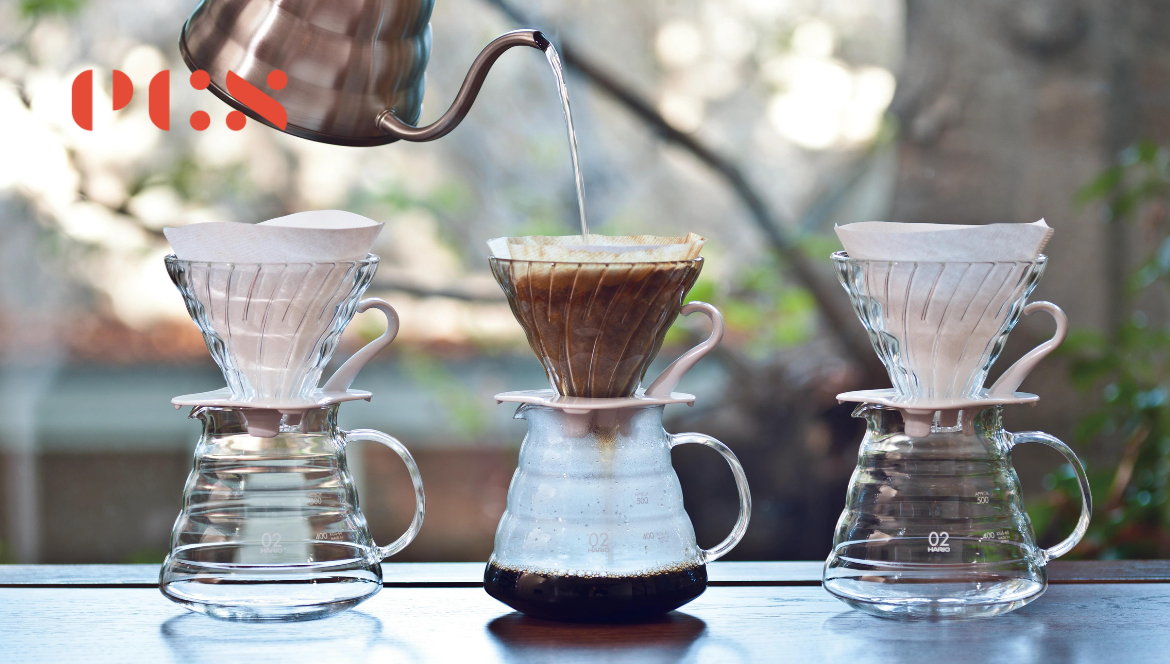 The art of pour over coffee with HARIO V60
Americano coffee, coffee infusion, French press, pour over-- lots of brewing methods exist besides espresso. Among...Read more
The art of pour over coffee with HARIO V60
Americano coffee, coffee infusion, French press, pour over-- lots of brewing methods exist besides espresso. Among...Read more -
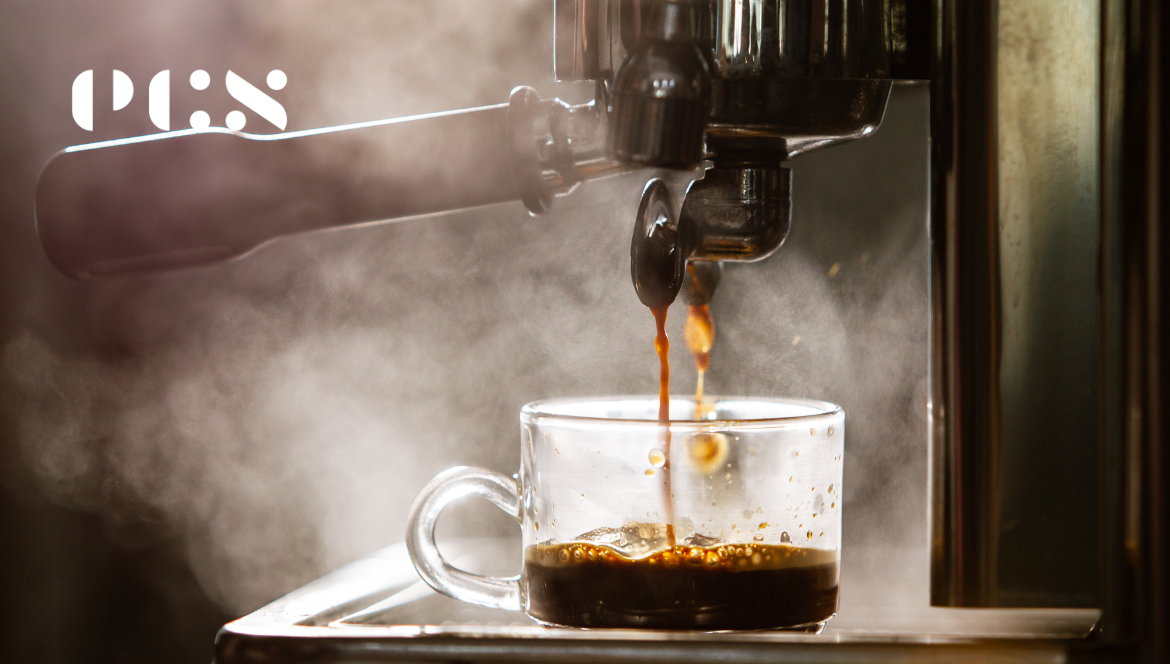 Understanding Espresso Machines: Single Boiler, Dual Boiler, and Heat Exchanger Models
Choosing the right espresso machine can elevate your coffee experience to new heights. At Espresso Coffee Shop we...Read more
Understanding Espresso Machines: Single Boiler, Dual Boiler, and Heat Exchanger Models
Choosing the right espresso machine can elevate your coffee experience to new heights. At Espresso Coffee Shop we...Read more -
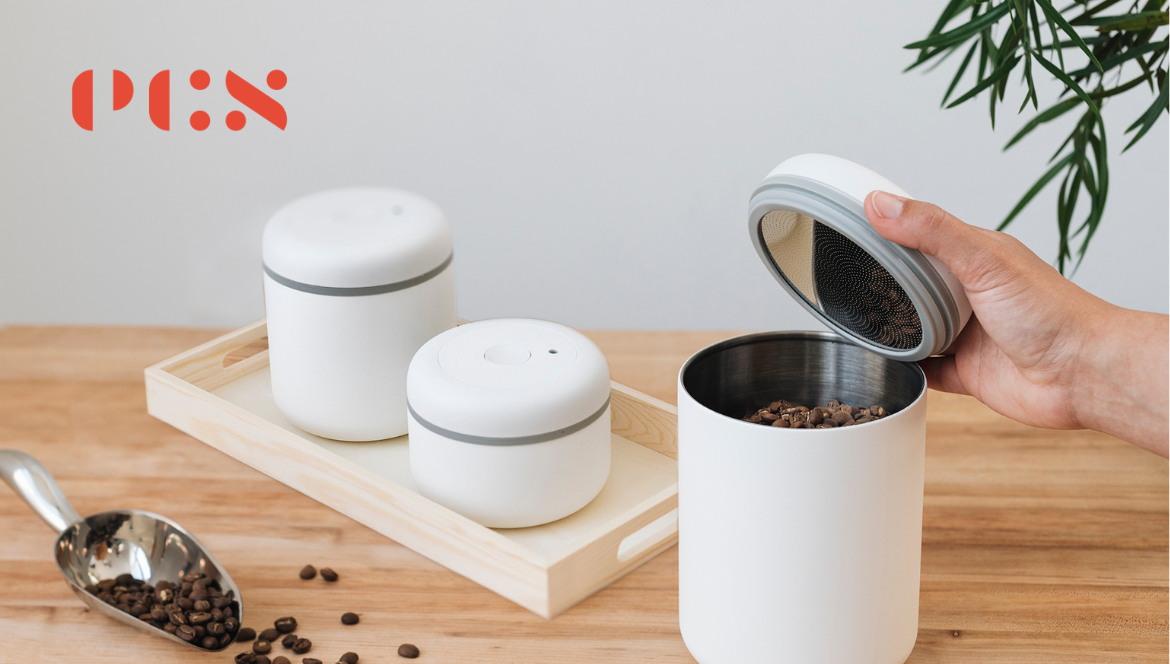 How to properly store coffee
If you, too, are a true coffee enthusiast, meticulously selecting the varieties you like best and eagerly...Read more
How to properly store coffee
If you, too, are a true coffee enthusiast, meticulously selecting the varieties you like best and eagerly...Read more -
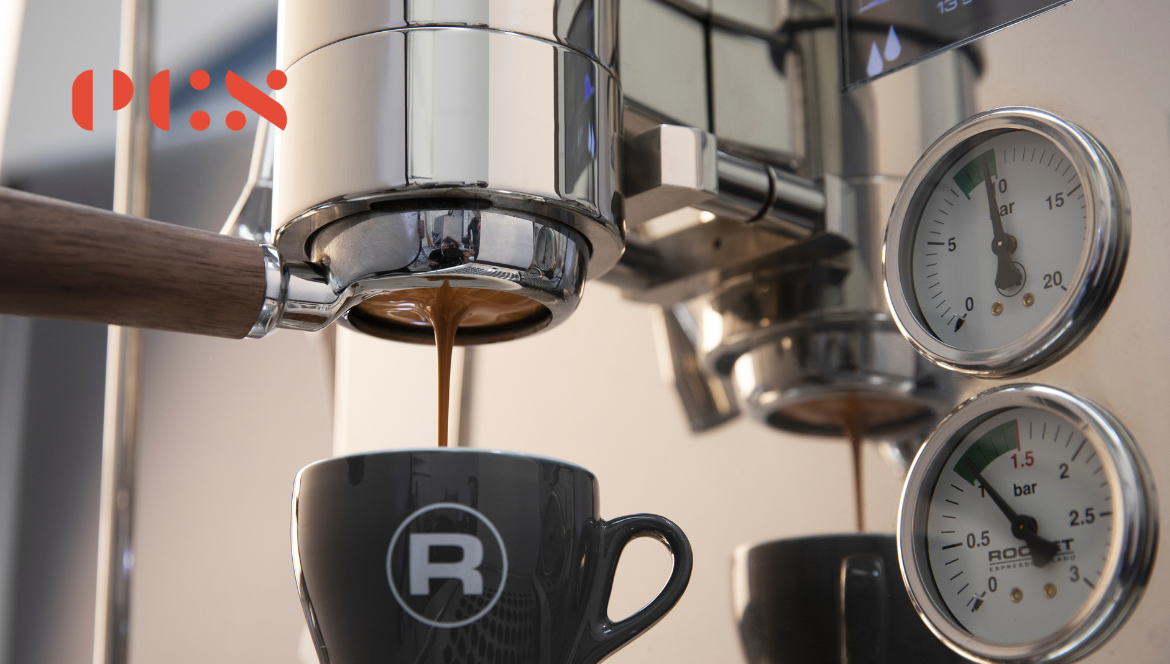 Bottomless portafilter? Here are the aspects to be considered
The search for the perfect espresso is a long road, and there are several tools that can help achieve the perfect...Read more
Bottomless portafilter? Here are the aspects to be considered
The search for the perfect espresso is a long road, and there are several tools that can help achieve the perfect...Read more
Leave a comment