



Choosing between the Lelit Bianca and ECM Synchronika can be difficult for home baristas looking for a high-end PID...
Please, visit the correct shop for your location:
USA Site

-
 Lelit Bianca vs ECM Synchronika: Which PID Dual Boiler Wins?Read more2026-08-27
 -
 Single Dose vs. Hopper Grinding: Which Setup Suits Your Home Coffee Routine?Read more
Single-dose and hopper grinders suit different home coffee routines. A single-dose grinder is ideal for coffee...
2026-08-27 -
 Understanding Group Heads: E61, Saturated & Thermosyphon ExplainedRead more
E61 group head explained how it works, plus saturated and thermosyphon designs compared, so you can choose the right...
2026-08-24 -
 Commercial Espresso Machine Buyers Guide for UK Cafés and RestaurantsRead more
A UK buyer's guide to choosing the right commercial espresso machine boiler types, key features, costs, and matching...
2026-08-21 -
 Mahlkönig E65S vs Eureka Atom: Commercial Grinder ShowdownRead more
Compare the Mahlkönig E65S and Eureka Atom to find the right grinder for your café or home setup. This guide covers...
2026-07-15 -
 Lelit Machine Maintenance Guide: Keeping Your Investment in Top ConditionRead more
Keep your Lelit espresso machine performing at its best with a simple maintenance routine. This guide covers daily...
2026-07-13 -
 How Burr Size and RPM Affect Grind Quality: A Technical Guide for Home BaristasRead more
Discover how burr size and grinder RPM shape espresso flavour, consistency, heat, and extraction quality. This guide...
2026-07-10 -
 Rancilio Silvia Pro X: In-Depth Review for UK Home BaristasRead more
Discover whether the Rancilio Silvia Pro X is the right upgrade for your home coffee setup. This review covers its...
2026-07-10 -
 La Marzocco Linea Mini R vs Rocket R58 Tune : A Home Barista ComparisonRead more
Comparing two of Italy's finest dual-boiler espresso machines the La Marzocco Linea Mini R and the Rocket R58 Tune...
2026-06-24 -
 Dose-to-Yield Ratio Explained: How to Dial In the Perfect Espresso Every TimeRead more
Mastering the espresso dose-to-yield ratio is one of the fastest ways to improve shot consistency and flavour. This...
2026-06-16
Blog categories
Search in blog
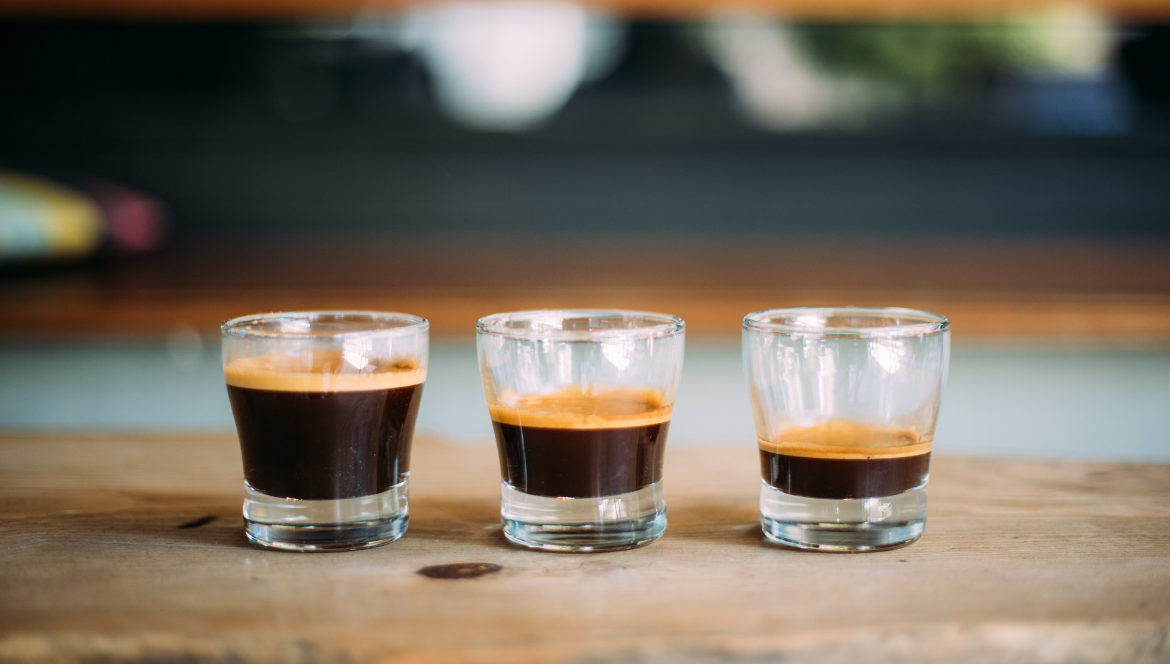
Dose-to-Yield Ratio Explained: How to Dial In the Perfect Espresso Every Time
The dose-to-yield ratio is the foundation of every well-made espresso. It describes the relationship between the weight of ground coffee you put into the portafilter and the weight of liquid espresso that ends up in your cup. Master this single concept, and you can make consistently balanced, repeatable shots with far less uncertainty.
Most home baristas adjust variables by instinct, then wonder why the same bag of coffee tastes different on Tuesday than it did on Saturday. The dose-to-yield ratio gives you a fixed reference point, so you can spot a flat shot, a bitter one, or an overly sour extraction in seconds and make the next shot more consistent.
This guide covers what the ratio means, how to find your ideal target, how different ratio ranges affect flavour, and which equipment choices make the process easier, so you can apply the ratio with more confidence and control.
What Is the Dose-to-Yield Ratio in Espresso?
In espresso, dose refers to the weight of dry ground coffee loaded into the portafilter, typically measured in grams. Yield refers to the weight of the brewed liquid espresso produced, also in grams. The ratio between these two numbers, expressed as 1:X, tells you how much liquid you have extracted relative to your starting dose.
A 1:2 ratio is the most widely used starting point. With an 18g dose, you would target a 36g yield. A 1:1.5 ratio (ristretto) produces a denser, more concentrated shot. A 1:3 ratio (lungo) produces a lighter, more extended extraction.
The ratio is a ratio of weights, not volumes. Always use a set of precision scales when measuring espresso yield. Eyeballing volume introduces an error that accumulates shot after shot.
Why Weight Matters More Than Volume
Espresso crema contains a significant amount of air. Two shots that look identical in the cup can differ by four or five grams once the crema settles. Measuring by volume introduces that inconsistency into every shot. Measuring by weight removes it entirely. This is not pedantry; it is the difference between a repeatable workflow and one that relies entirely on luck.
Dose-to-Yield Ratio Ranges and What They Taste Like
Different ratios produce meaningfully different cups. Knowing what to expect from each range helps you target the right extraction for the bean, roast level, and your personal preferences.
|
Style |
Ratio |
Dose Example |
Flavour Profile |
|
Ristretto |
1:1 to 1:1.5 |
18g in / 18–27g out |
Intense, sweet, syrupy |
|
Standard Espresso |
1:2 to 1:2.5 |
18g in / 36–45g out |
Balanced, sweet, complex |
|
Lungo |
1:3 to 1:4 |
18g in / 54–72g out |
Lighter, more bitter notes |
|
Turbo / Filter-style |
1:4+ |
18g in / 72g+ |
Delicate, tea-like clarity |
Light Roasts vs. Dark Roasts: Does the Ratio Change?
Yes, and this trips up many home baristas. Lighter roasts are denser and tend to resist extraction. They often benefit from a slightly lower ratio target, around 1:2 to 1:2.5, allowing more contact time without going bitter. Darker roasts are more soluble and extract quickly; pushing the ratio higher (1:2.5 to 1:3) can balance their bolder character and reduce the risk of ashy or harsh notes.
These are not rigid rules, but they are useful starting points when you open a new bag.
How to Use the Dose-to-Yield Ratio to Dial In Espresso
Step 1: Fix Your Dose First
Choose a dose and keep it constant throughout dialysis. 18g for a double shot is the most practical starting point for most home machines with a 58mm portafilter basket. Changing dose and grind size simultaneously makes it impossible to isolate which variable is producing which result.
Step 2: Set a Yield Target
Decide on your ratio. For most beans and most machines, 1:2 is the safest starting point. That means if you dose 18g, you stop the shot when the scales read 36g in the cup. Use a timer alongside. A well-dialled 1:2 shot at standard 9-bar pressure should take 25 to 35 seconds.
Step 3: Adjust Grind, Not Dose
If the shot runs too fast and tastes sour or thin, grind finer. If it runs too slow and tastes bitter or dry, grind coarser. Your dose stays the same. Your yield target stays the same. Only grind size changes. This methodical approach gives you meaningful data from every shot.
When you adjust grind size, always purge a small amount of coffee through the grinder before pulling your next shot. Old grounds sitting in the burr chamber from the previous setting will distort your result.
Step 4: Taste and Refine the Ratio
Once your shot consistently hits the timing window, taste it critically. If it is balanced and sweet, you are done. If it is still a little flat or lacks brightness, try dropping to a 1:1.8 ratio (slightly shorter yield). If it tastes one-dimensional or too intense, try 1:2.3. Minor ratio adjustments at a fixed grind size let you fine-tune without starting over.
The Machine That Makes Ratio Work Effortlessly
Rocket Appartamento TCA: Built for Consistent Extraction
Understanding the dose-to-yield ratio only gets you so far if the machine delivering the water is inconsistent. Pressure stability, temperature stability, and pre-infusion quality all directly affect how reliably your yield tracks your target.
The Rocket Appartamento TCA is a compact, single-boiler heat exchanger machine from Rocket Espresso, the Italian manufacturer renowned for building machines that perform above their weight class. The E61 group head provides excellent thermal stability throughout extraction, and the steady 9-bar pump pressure means the water is doing exactly what your ratio calculations assume.
For home baristas working seriously with dose-to-yield dialling in, machine-side consistency is not optional. The Appartamento TCA provides it without demanding a dedicated utility room or a commercial-grade budget.
Rocket Appartamento TCA Espresso Machine
Price: £1,450.00 | Espresso Coffee Shop UK
E61 group head, heat exchanger boiler, consistent 9-bar extraction pressure, compact Italian design. An ideal foundation for any ratio-focused home espresso workflow.
View Product at Espresso Coffee Shop UK
Pairing the Right Grinder With Your Ratio Workflow
Eureka Atom W 65 Casa: Grind by Weight for Dose Precision
Your yield is only one-half of the ratio equation. The dose must be equally precise. If your grinder produces an inconsistent dose from shot to shot, your ratio becomes a moving target regardless of how carefully you measure the output.
The Eureka Atom W 65 Casa uses Grind by Weight technology, a patented system that grinds to a precise target weight and stops automatically. Rather than relying on a timer to approximate dose, the machine weighs the output in real time. The result is a dose that is consistent to within fractions of a gram, shot after shot.
Combined with a precision yield scale under the cup, this grinder essentially automates the dose half of the ratio. That leaves you free to focus on grind size and extraction quality, the variables that actually determine flavour.
Eureka Atom W 65 Casa Coffee Grinder
Price: £899.00 | Espresso Coffee Shop UK
65mm flat burrs, patented Instant Grind Weighing Technology, stepless micrometric adjustment. Removes dose inconsistency from your workflow entirely, making ratio dialling significantly more reliable.
View Product at Espresso Coffee Shop UK
Espresso Machine Comparison: Which Setup Supports Your Ratio Goals?
Choosing equipment that matches your brewing ambitions matters as much as understanding the ratio itself. Here is a straightforward comparison of how different setups serve the dose-to-yield workflow.
|
Feature |
Rocket Appartamento TCA |
Entry-Level Single Boiler |
|
Boiler Type |
Heat Exchanger |
Single Boiler |
|
Group Head |
E61 (Thermosyphon) |
Proprietary / Basic |
|
Pressure Consistency |
High |
Variable |
|
Pre-infusion |
Passive (E61) |
Usually None |
|
Impact on Ratio Work |
Predictable, repeatable |
Inconsistent baseline |
|
Price (approx.) |
£1,450 |
£300–£600 |
A machine with poor pressure or temperature stability makes ratio dialling extremely difficult. Two identical shots by weight can taste different if the machine is not holding consistent conditions. Investing in the machine is investing in your methodology.
Common Dose-to-Yield Mistakes and How to Fix Them
Measuring yield by time, not weight
Shot time is a useful secondary signal, not a substitute for weighing. A 30-second shot at 36g yield and a 30-second shot at 44g yield are completely different coffees. Always weigh both the dose going in and the yield coming out.
Changing the dose to fix a flavour problem
If a shot tastes sour, the instinct is often to add more coffee. But sourness is typically caused by under-extraction, which requires a finer grind rather than a heavier dose. Changing dose changes everything: basket pressure, flow resistance, and extraction dynamics. Fix the grind first; adjust the dose only when you have exhausted grind settings.
Ignoring the basket size
A 20g VST basket performs very differently from a standard 18g basket, even with the same dose. Each basket has an optimal dose range where it performs best. Using an 18g dose in a 20g basket can result in a puck that sits too low, leading to channelling and an unpredictable yield. Match your dose to your basket.
Not accounting for pre-infusion
Machines with active pre-infusion or a manual pre-infusion phase will often produce a slower, more even extraction. If you switch from a machine without pre-infusion to one with it, your existing ratio targets may need minor recalibration even if nothing else changes.
Explore the Full Range at Espresso Coffee Shop UK
Espresso Coffee Shop UK supplies home baristas and professionals with precision espresso equipment from Italy's most respected manufacturers. Browse the full espresso machine collection, the coffee grinders range, and the espresso accessories to build a setup that makes a consistent ratio work genuinely achievable.
Looking to purchase a matched machine and grinder together? The espresso machine and grinder bundles pair complementary equipment at considered price points, with free shipping on orders over £300.
Frequently Asked Questions
Q: What is the standard dose-to-yield ratio for espresso?
A: The most widely used starting point is 1:2, meaning 18g of coffee in and 36g of liquid espresso out. This produces a balanced, full-flavoured double shot in approximately 25 to 35 seconds. From there, you can adjust the ratio to suit your beans, roast level, and personal taste preferences.
Q: Does the dose-to-yield ratio affect espresso strength?
A: Yes, directly. A lower ratio (for example, 1:1.5) produces a shorter, more concentrated shot with more dissolved solids per millilitre. A higher ratio (for example, 1:3) produces a longer, lighter shot. Ratio is one of the primary tools for controlling strength alongside grind size, pressure, and temperature.
Q: Should I adjust my ratio or my grind size first?
A: Start with grind size. Fix your dose and your yield target, then use grind size to control shot time and extraction quality. Once the shot is timing correctly and tasting balanced, you can make minor ratio adjustments (0.1 to 0.3 points) to fine-tune body and sweetness. Changing the ratio and grind simultaneously makes it impossible to understand which change caused which result.
Q: What scales do I need to track the dose-to-yield ratio?
A: You need scales accurate to 0.1g, ideally with a response time fast enough to catch the yield as the shot pours. Espresso-specific scales from brands such as Acaia or Timemore are designed for this purpose and connect to apps for shot logging. A good set of precision scales is one of the highest-value upgrades in a home espresso setup.
Q: Can I use the dose-to-yield ratio for milk-based drinks like flat whites?
A: Yes. The espresso base for a flat white or latte follows exactly the same ratio principles as a black espresso shot. In fact, consistency matters even more for milk drinks, because a small imbalance in the espresso becomes amplified when combined with 150 to 200ml of steamed milk. A well-dialled double shot (18g in, 36g out) forms an excellent base for both.
Related posts
-
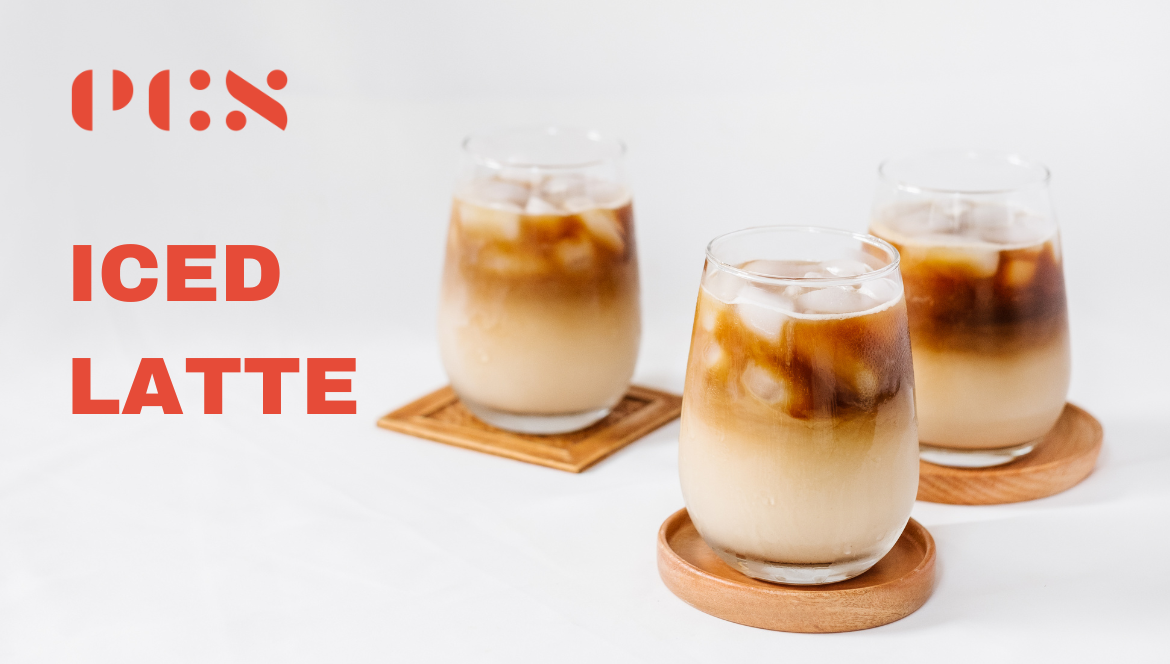 ICED LATTE: our favorite summer drink
As summer temperatures rise, so does the craving for a refreshing drink. Our solution is called Iced Latte, a combo...Read more
ICED LATTE: our favorite summer drink
As summer temperatures rise, so does the craving for a refreshing drink. Our solution is called Iced Latte, a combo...Read more -
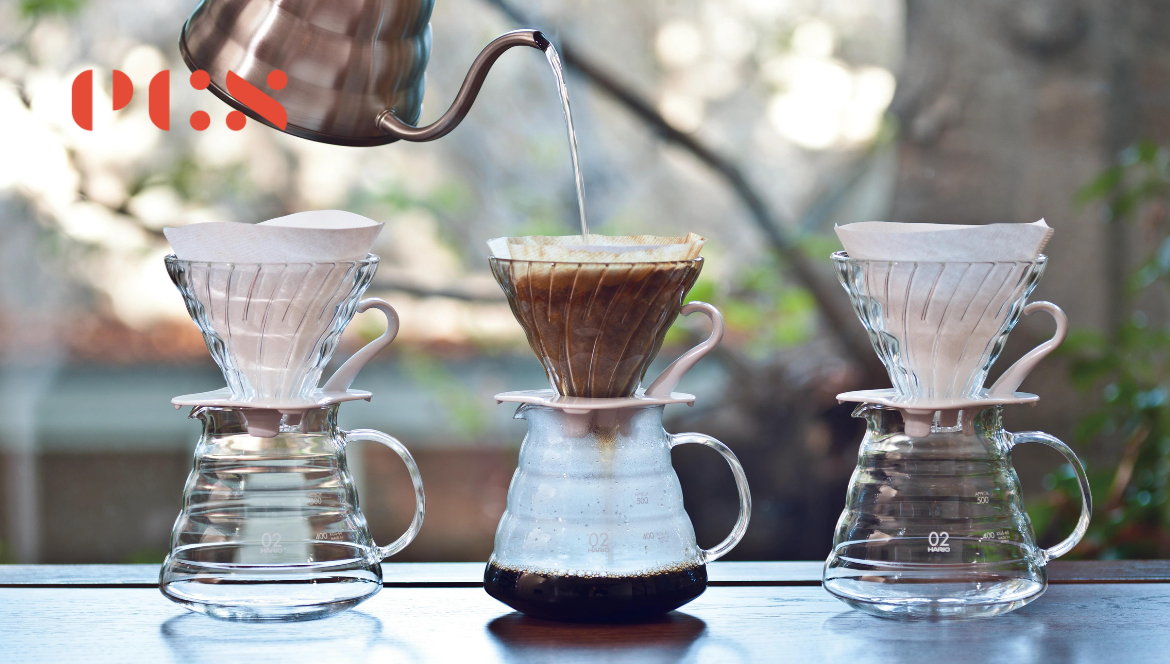 The art of pour over coffee with HARIO V60
Americano coffee, coffee infusion, French press, pour over-- lots of brewing methods exist besides espresso. Among...Read more
The art of pour over coffee with HARIO V60
Americano coffee, coffee infusion, French press, pour over-- lots of brewing methods exist besides espresso. Among...Read more -
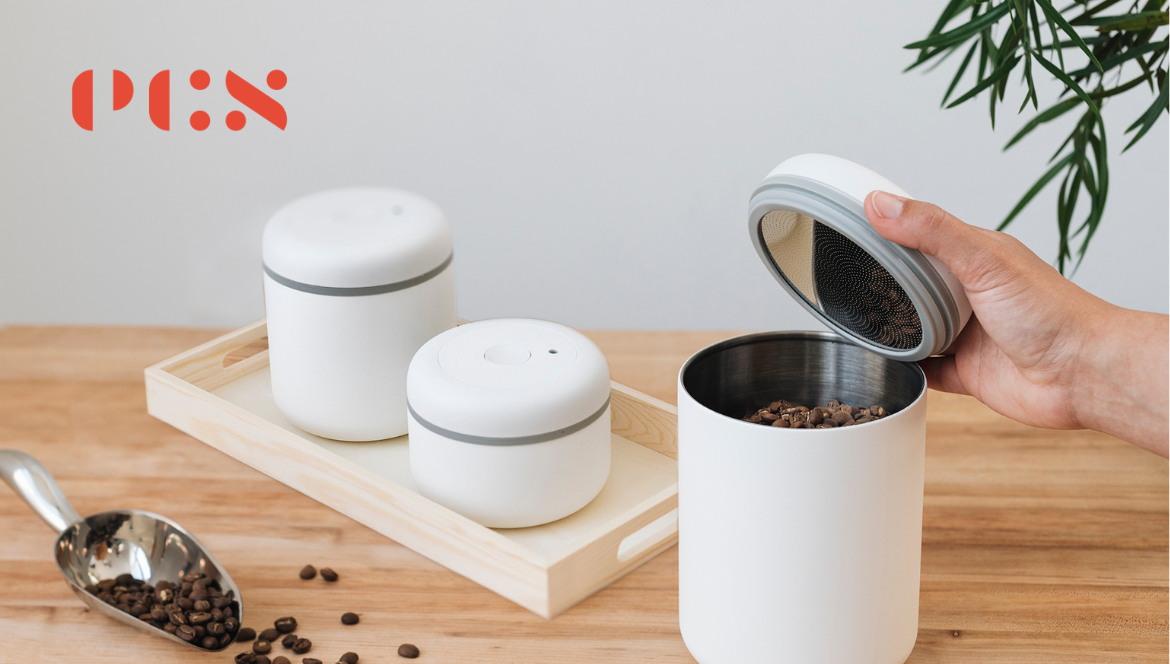 How to properly store coffee
If you, too, are a true coffee enthusiast, meticulously selecting the varieties you like best and eagerly...Read more
How to properly store coffee
If you, too, are a true coffee enthusiast, meticulously selecting the varieties you like best and eagerly...Read more -
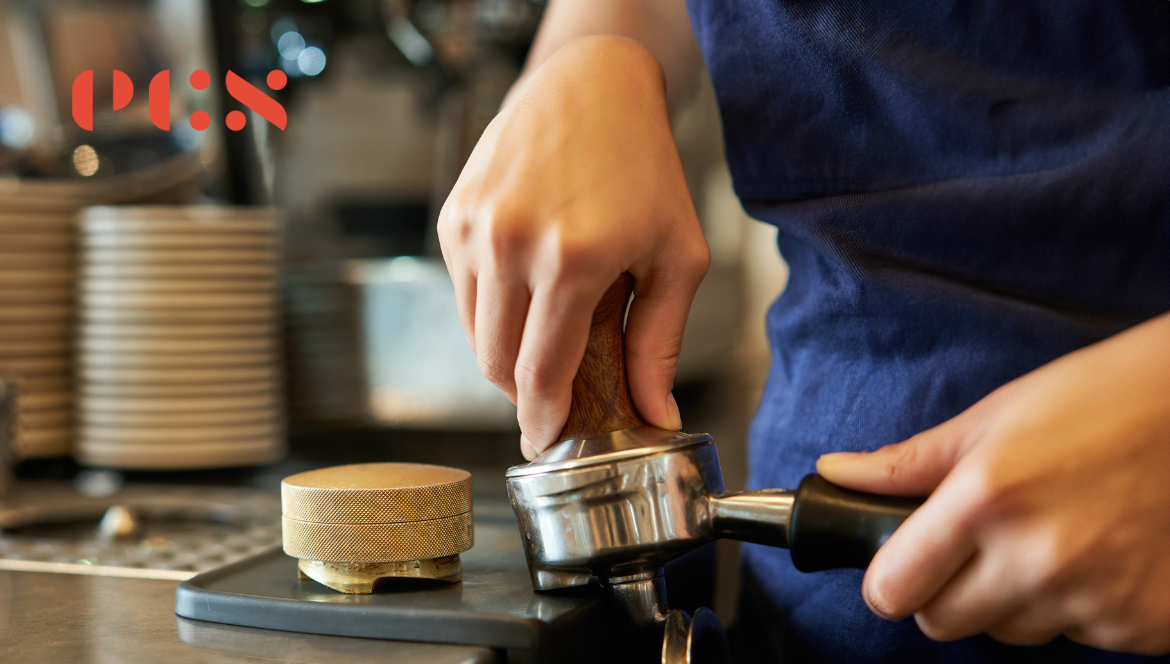 All about a good tamping
To make good coffee, it is important to have the right equipment, quality coffee and not only. It is also necessary...Read more
All about a good tamping
To make good coffee, it is important to have the right equipment, quality coffee and not only. It is also necessary...Read more -
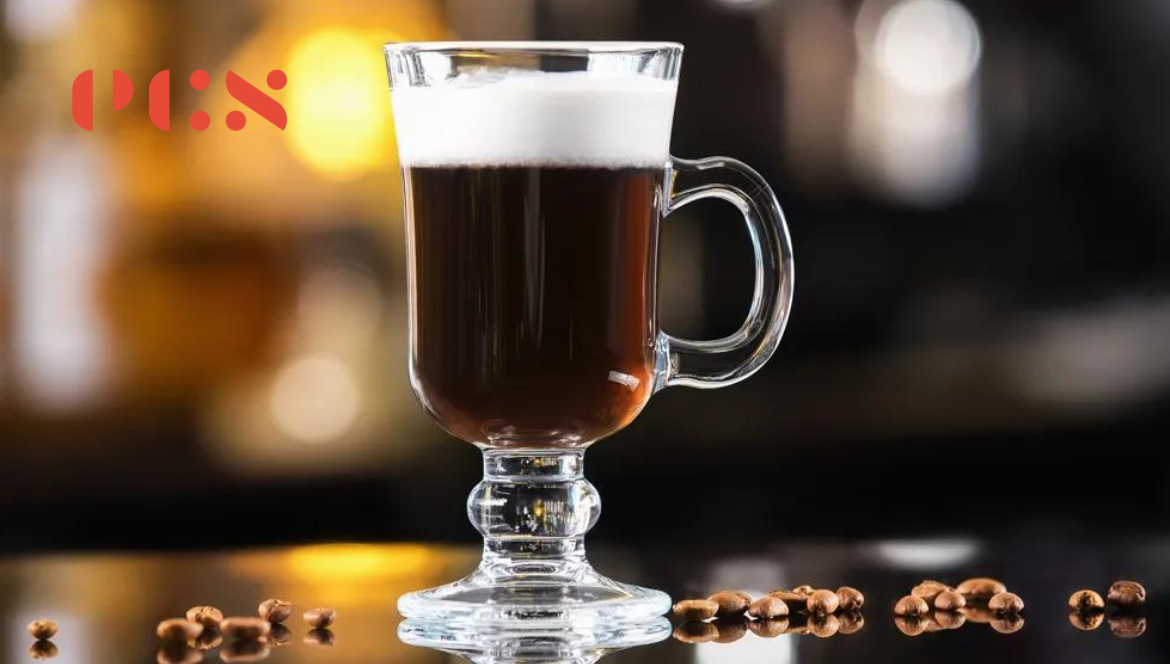 Celebrating St. Patrick's Day with Irish Coffee: an easy step-by-step preparation guide
St. Patrick's Day is the perfect time to celebrate with a classic Irish drink: Irish Coffee. Here's how to make...Read more
Celebrating St. Patrick's Day with Irish Coffee: an easy step-by-step preparation guide
St. Patrick's Day is the perfect time to celebrate with a classic Irish drink: Irish Coffee. Here's how to make...Read more
Leave a comment