



The Profitec Go has earned its place as our top-selling espresso machine by striking the right balance between...
Please, visit the correct shop for your location:
USA Site

-
 Why the Profitec Go is our best-selling espresso machine and why customers love itRead more2026-09-29
 -
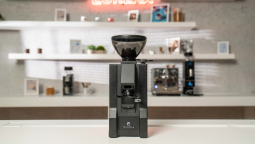 Eureka grinders: the Italian craftsmanship behind some of the quietest grinders on the marketRead more
Eureka has spent over a century refining the art of Italian grinder engineering, and quiet operation is where that...
2026-09-28 -
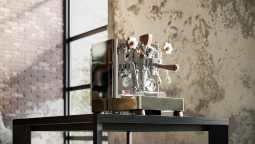 Why Lelit has become a go-to brand for home espresso enthusiasts worldwideRead more
Lelit has earned its place among the world's most trusted home espresso brands by combining genuine Italian...
2026-09-28 -
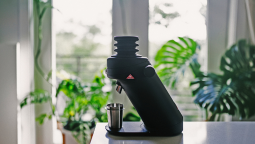 Single Dose Grinders: Why They're Taking Over the Home Barista WorldRead more
Single-dose grinders are reshaping how home baristas think about freshness. Instead of loading a hopper and grinding...
2026-09-24 -
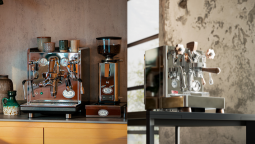 Lelit Bianca vs ECM Synchronika: Which PID Dual Boiler Wins?Read more
Choosing between the Lelit Bianca and ECM Synchronika can be difficult for home baristas looking for a high-end PID...
2026-08-27 -
 Single Dose vs. Hopper Grinding: Which Setup Suits Your Home Coffee Routine?Read more
Single-dose and hopper grinders suit different home coffee routines. A single-dose grinder is ideal for coffee...
2026-08-27 -
 Understanding Group Heads: E61, Saturated & Thermosyphon ExplainedRead more
E61 group head explained how it works, plus saturated and thermosyphon designs compared, so you can choose the right...
2026-08-24 -
 Commercial Espresso Machine Buyers Guide for UK Cafés and RestaurantsRead more
A UK buyer's guide to choosing the right commercial espresso machine boiler types, key features, costs, and matching...
2026-08-21 -
 Mahlkönig E65S vs Eureka Atom: Commercial Grinder ShowdownRead more
Compare the Mahlkönig E65S and Eureka Atom to find the right grinder for your café or home setup. This guide covers...
2026-07-15 -
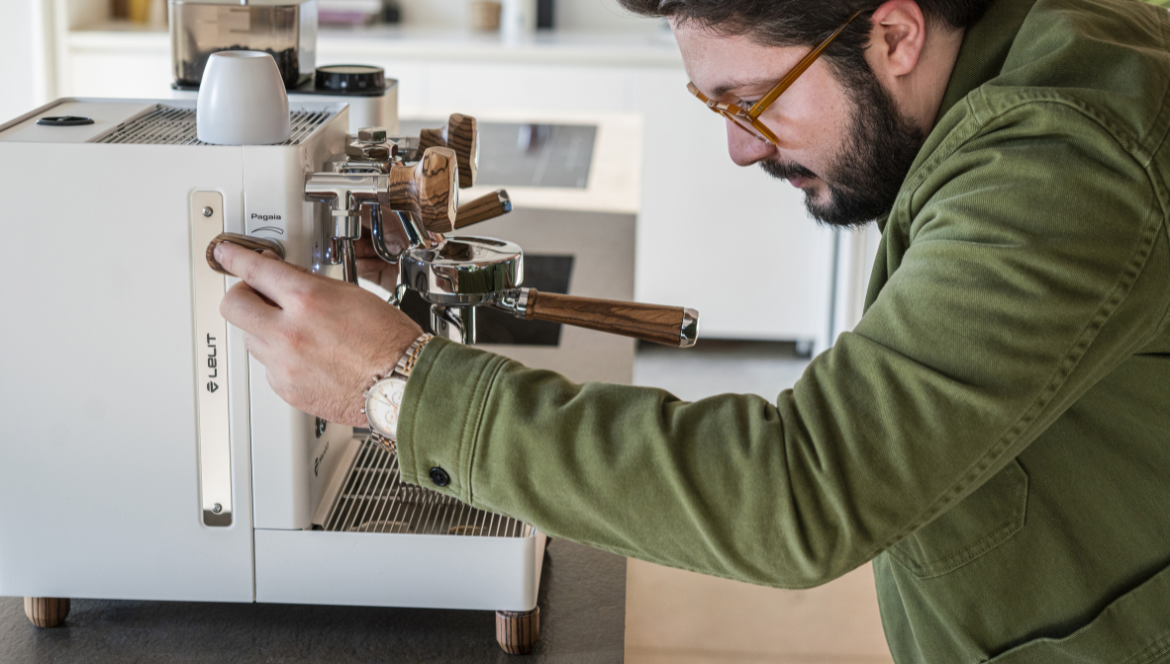 Lelit Machine Maintenance Guide: Keeping Your Investment in Top ConditionRead more
Keep your Lelit espresso machine performing at its best with a simple maintenance routine. This guide covers daily...
2026-07-13
Blog categories
Search in blog
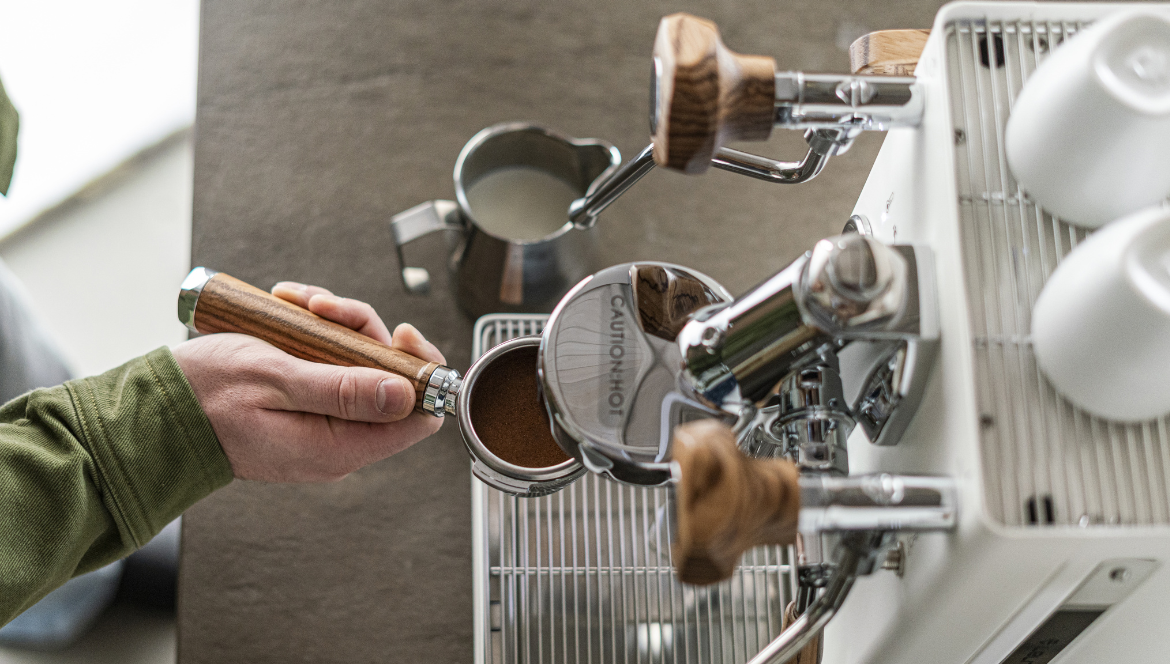
Understanding Group Heads: E61, Saturated & Thermosyphon Explained
If you've ever stood in front of a shiny espresso machine wondering what on earth an "E61 group head" is, you're not alone. It's one of those terms that gets thrown around in coffee forums and product listings, yet rarely gets explained in plain English. Understanding it, though, is the difference between buying a machine that pulls consistent, café-quality shots and one that leaves you guessing every morning.
What Is a Group Head, Anyway?
The group head is the part of your espresso machine where the portafilter locks in and hot water meets your ground coffee under pressure. Think of it as the beating heart of the extraction process.
Its job sounds simple: deliver water at the right temperature and pressure for 25–30 seconds. In reality, the engineering behind it varies enormously between machines. That variation directly affects shot consistency, temperature stability, and how forgiving the machine is for a home barista still learning the ropes.
There are three main designs you'll encounter when shopping for a home or semi-commercial machine:
- E61 group heads
- Saturated group heads
- Thermosyphon-assisted systems
Each one solves the temperature stability problem differently, and each suits a different type of coffee drinker.
E61 Group Head Espresso: The Industry Classic
The E61 group head espresso design dates back to 1961 (hence the name) and is still one of the most respected systems in the speciality coffee world , decades later.
Here's why it's endured for so long:
- Massive thermal mass — the brass construction absorbs and holds heat, which reduces temperature swings between shots.
- Thermosyphon circulation — hot water constantly circulates through the group via natural convection, keeping it pre-heated even between pulls.
- Consistent brew temperature — this matters hugely for espresso, where a few degrees can turn a balanced shot sour or bitter.
Home enthusiasts love the E61 group head espresso because it forgives small timing errors. If you get distracted for ten seconds between shots, an E61 machine won't punish you with a cold, underextracted pull the way a lighter, budget group head might.
A Real-World Example
Picture a Saturday morning where you're pulling shots for four guests back to back. On a basic entry-level machine, shot two or three often tastes noticeably different from the first, because the group head cools as it works. On an E61 machine, thanks to its thermal mass and constant circulation, shots three and four taste remarkably close to shot one. That consistency is exactly why E61 machines are a step-up purchase for anyone serious about home espresso.
Saturated Group Head: Simplicity Meets Stability
A saturated group head is a different and in some ways simpler approach to the same problem. Here, the group head itself sits directly inside the boiler, or is permanently filled with hot water from it.
Because the metal is constantly "saturated" with hot water, it reaches thermal equilibrium quickly and holds it well. This is the design you'll often find on high-end prosumer and commercial machines, particularly dual-boiler models.
Key benefits of a saturated group head:
- Fast, stable temperature recovery between shots
- Fewer moving parts than an E61 system, meaning less to maintain
- Excellent for high-volume brewing, such as busy households or small offices
If you're comparing machines and see "saturated group head" listed as a feature, treat it as a strong signal of serious build quality; it's rarely found on cheaper machines.
Thermosyphon Group Heads: The In-Between Option
Thermosyphon systems use natural convection to circulate hot water from the boiler through the group head, without the group being fully submerged like a saturated design.
This is actually a core mechanism used within the E61 itself, but you'll also find standalone thermosyphon setups on some semi-professional machines that aren't full E61 units.
The main advantage is temperature stability without the higher manufacturing cost of a fully saturated or E61 group. It's a sensible middle ground for machines pitched between entry-level and premium tiers.
Types of Espresso Group Heads Compared
To make the differences easier to digest, here's a quick side-by-side view of the main types of espresso group heads:
|
Feature |
E61 |
Saturated |
Thermosyphon |
|
Temperature stability |
Excellent |
Excellent |
Good |
|
Build complexity |
High |
Moderate |
Moderate |
|
Common on |
Prosumer/premium machines |
High-end/commercial machines |
Semi-pro machines |
|
Maintenance |
Moderate |
Low-moderate |
Low |
|
Best for |
Enthusiasts wanting café consistency |
High-volume, stable brewing |
Step-up buyers from entry-level |
None of these designs is objectively "wrong"; they target different needs, budgets, and brewing volumes.
Why This Matters When You're Upgrading Your Machine
If you currently own an entry-level espresso machine, you've probably noticed some shot-to-shot inconsistency, especially during back-to-back brewing. That's usually down to a lightweight group head with low thermal mass, not your technique.
Understanding the espresso group head explained above helps you shop smarter. Rather than comparing machines purely on price or looks, you can ask the question that actually matters: how does this model keep brew temperature stable, shot after shot?
For UK home baristas moving up from a basic machine, an E61 group head espresso setup is often the sweet spot: proven engineering, widely available spare parts, and a large community of owners sharing tips and modifications.
Choosing the Right Machine and Grinder Pairing
A stable group head is only half the equation. Pairing it with a grinder that delivers consistent particle size is what actually lets that thermal stability shine through in the cup.
Consider these factors together when upgrading:
- Match your grinder's consistency to your group head's precision; a wobbly grind undoes a great group head fast
- Look at machine-and-grinder sets designed to work together, rather than mixing mismatched components
- Factor in maintenance access, since E61 groups typically need periodic descaling and gasket replacement
This is exactly why pairing decisions matter as much as the group head spec sheet itself.
Final Thoughts: Brew With Confidence
Whether it's the time-tested E61 group head espresso system, a saturated design built for volume, or a thermosyphon setup bridging the gap, the group head you choose shapes every cup you pull at home. Knowing the difference means you're no longer buying blind; you're buying for the coffee experience you actually want.
Ready to upgrade your home setup? Explore our range of E61 and saturated group head espresso machines, plus matched grinder sets, at Espressocoffeeshop and find the pairing that fits your brewing routine.
FAQ’s
1) What makes the E61 group head espresso design different from a standard group head?
The E61 uses a heavy brass construction combined with thermosyphon circulation, which keeps water pre-heated and stable between shots. Standard, lightweight group heads cool faster, so temperature and shot quality drifts more with back-to-back brewing.
2) Is a saturated group head better than an E61 for home use?
Not necessarily better, just different. A saturated group head reaches thermal equilibrium quickly and suits high-volume brewing, while an E61 is prized for its forgiving consistency and huge spare-parts ecosystem, which matters more for most home setups.
3) Do I need an E61 machine if I only make one or two coffees a day?
Not essential, but still worthwhile. Even at low volume, the E61's thermal mass means your first shot of the day is closer in temperature to your fifth, which is harder to guarantee on a basic entry-level group head.
4) How much maintenance does an E61 group head need?
Expect periodic descaling and gasket replacement, roughly every 6–12 months depending on water hardness and usage. This is slightly more involved than a thermosyphon setup but well documented thanks to the E61's long production history.
5) Can I upgrade my current machine's group head, or do I need a new machine entirely?
Group heads are generally not swappable between machine models, so upgrading almost always means buying a new machine built around the group head type you want, ideally paired with a grinder suited to that level of precision.
Ready to upgrade your home setup? Explore our range of E61 and saturated group head espresso machines, plus matched grinder sets, at Espressocoffeeshop and find the pairing that fits your brewing routine.
Posted in:
Espresso Coffee Shop
Related posts
-
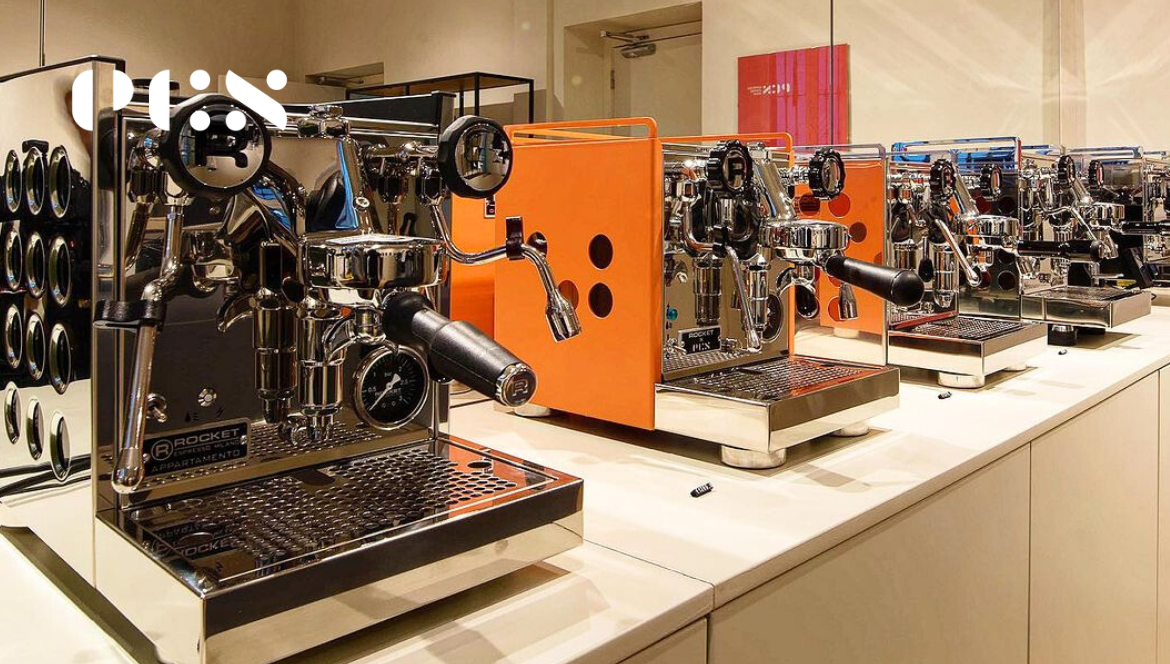 The first store Espresso Coffee Shop in Italy!
We are excited to announce the opening of our Temporary Shop in Milan, an must-visit meeting point for all coffee...Read more
The first store Espresso Coffee Shop in Italy!
We are excited to announce the opening of our Temporary Shop in Milan, an must-visit meeting point for all coffee...Read more -
 Single Boiler vs Dual Boiler vs Heat Exchanger: Which Espresso Machine is Right for You?
Choosing between single-boiler, heat-exchanger, and dual-boiler espresso machines comes down to how you brew, your...Read more
Single Boiler vs Dual Boiler vs Heat Exchanger: Which Espresso Machine is Right for You?
Choosing between single-boiler, heat-exchanger, and dual-boiler espresso machines comes down to how you brew, your...Read more -
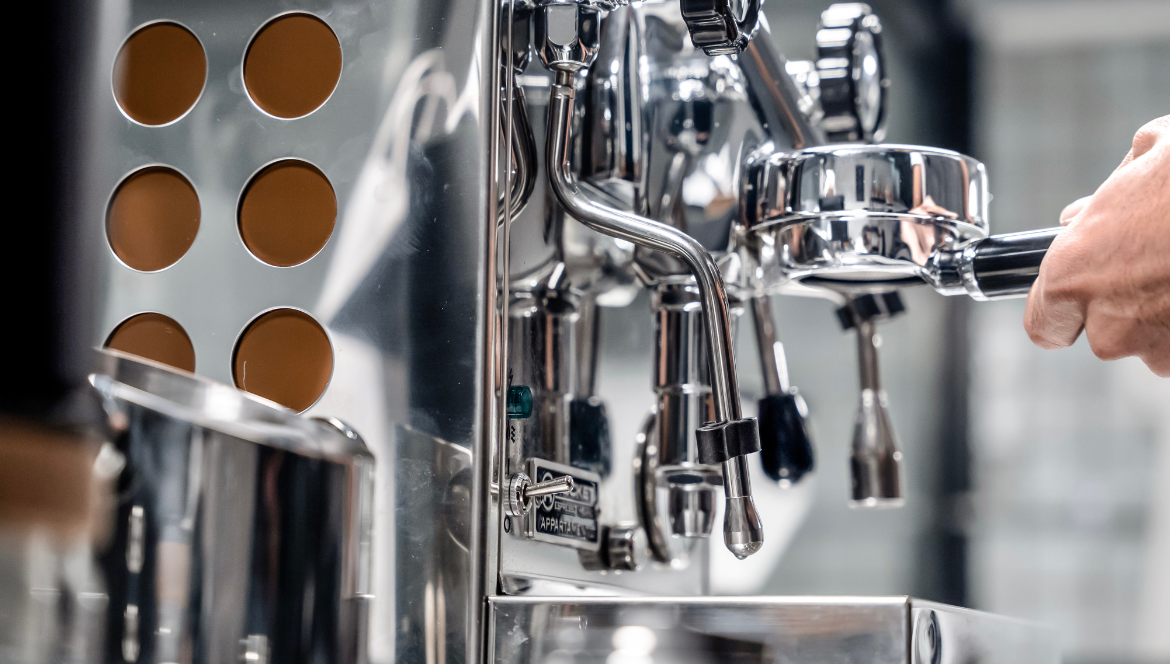 How to Choose Your First Home Espresso Machine in the UK
Choosing your first espresso machine is simple. Focus on pump pressure, boiler type, ease of use, and consistency....Read more
How to Choose Your First Home Espresso Machine in the UK
Choosing your first espresso machine is simple. Focus on pump pressure, boiler type, ease of use, and consistency....Read more -
 How to Clean Your Coffee Grinder: Step-by-Step Guide
Learn how to clean a coffee grinder properly with this practical step-by-step guide for burr and blade grinders....Read more
How to Clean Your Coffee Grinder: Step-by-Step Guide
Learn how to clean a coffee grinder properly with this practical step-by-step guide for burr and blade grinders....Read more -
 Why Your Coffee Grinder Matters More Than Your Espresso Machine
Learn why the coffee grinder matters more than the espresso machine when making quality espresso at home. This guide...Read more
Why Your Coffee Grinder Matters More Than Your Espresso Machine
Learn why the coffee grinder matters more than the espresso machine when making quality espresso at home. This guide...Read more
Leave a comment