



Single-dose grinders are reshaping how home baristas think about freshness. Instead of loading a hopper and grinding...
Please, visit the correct shop for your location:
USA Site

-
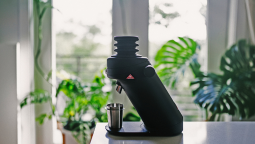 Single Dose Grinders: Why They're Taking Over the Home Barista WorldRead more2026-09-24
 -
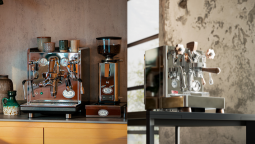 Lelit Bianca vs ECM Synchronika: Which PID Dual Boiler Wins?Read more
Choosing between the Lelit Bianca and ECM Synchronika can be difficult for home baristas looking for a high-end PID...
2026-08-27 -
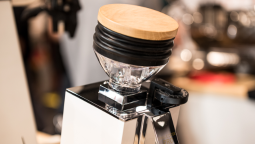 Single Dose vs. Hopper Grinding: Which Setup Suits Your Home Coffee Routine?Read more
Single-dose and hopper grinders suit different home coffee routines. A single-dose grinder is ideal for coffee...
2026-08-27 -
 Understanding Group Heads: E61, Saturated & Thermosyphon ExplainedRead more
E61 group head explained how it works, plus saturated and thermosyphon designs compared, so you can choose the right...
2026-08-24 -
 Commercial Espresso Machine Buyers Guide for UK Cafés and RestaurantsRead more
A UK buyer's guide to choosing the right commercial espresso machine boiler types, key features, costs, and matching...
2026-08-21 -
 Mahlkönig E65S vs Eureka Atom: Commercial Grinder ShowdownRead more
Compare the Mahlkönig E65S and Eureka Atom to find the right grinder for your café or home setup. This guide covers...
2026-07-15 -
 Lelit Machine Maintenance Guide: Keeping Your Investment in Top ConditionRead more
Keep your Lelit espresso machine performing at its best with a simple maintenance routine. This guide covers daily...
2026-07-13 -
 How Burr Size and RPM Affect Grind Quality: A Technical Guide for Home BaristasRead more
Discover how burr size and grinder RPM shape espresso flavour, consistency, heat, and extraction quality. This guide...
2026-07-10 -
 Rancilio Silvia Pro X: In-Depth Review for UK Home BaristasRead more
Discover whether the Rancilio Silvia Pro X is the right upgrade for your home coffee setup. This review covers its...
2026-07-10 -
 La Marzocco Linea Mini R vs Rocket R58 Tune : A Home Barista ComparisonRead more
Comparing two of Italy's finest dual-boiler espresso machines the La Marzocco Linea Mini R and the Rocket R58 Tune...
2026-06-24
Blog categories
Search in blog
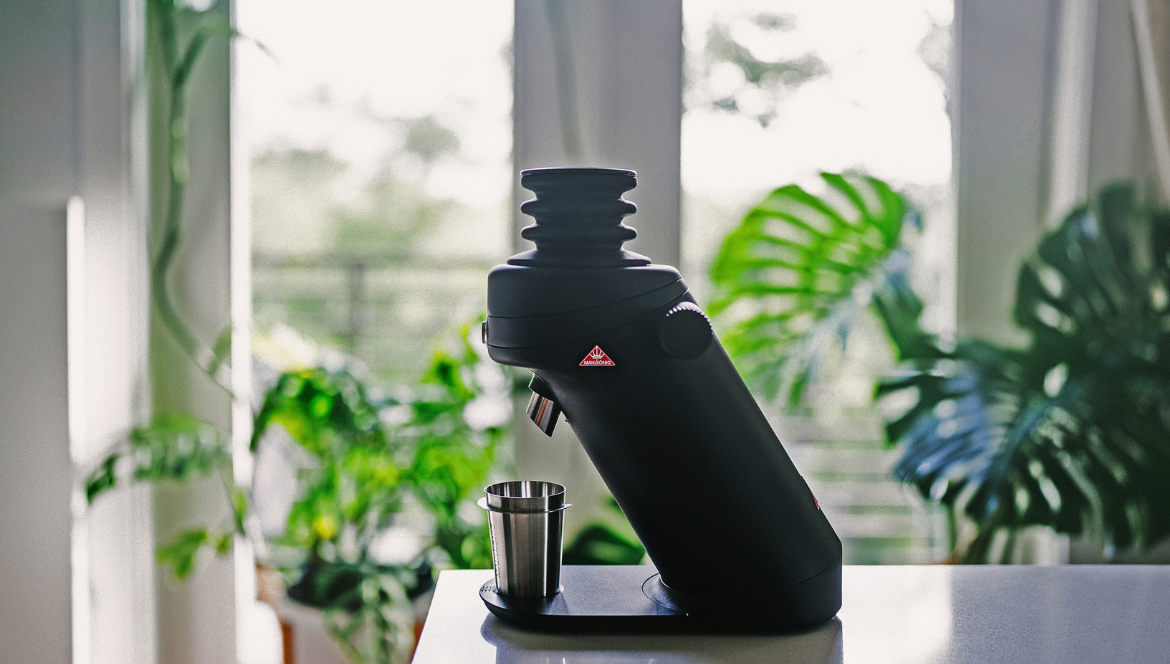
Single Dose Grinders: Why They're Taking Over the Home Barista World
Walk into any speciality coffee forum right now, and you'll see the same debate playing out: hopper or no hopper? A few years ago, most home setups revolved around a traditional coffee grinder with a large bean hopper sitting on top, ready to dose out shot after shot. Today, an increasing number of UK enthusiasts are switching to single dose grinders instead, and once you understand why, it's hard to go back.
What Is a Single Dose Grinder, Exactly?
A single dose grinder is designed to grind only the exact amount of coffee you need for one shot or one cup, rather than storing beans in a hopper for later use. You weigh your beans, drop them into the chamber, grind, and the machine returns to empty.
This is a fundamental shift from how most entry-level machines work. A conventional coffee grinder holds anywhere from 250g to 1kg of beans, which can sit exposed to air, light, and heat for days or even weeks before use. That slow exposure is the enemy of flavour.
Why This Matters for Flavour
Roasted coffee beans release CO2 and aromatic oils for weeks after roasting, but those oils begin degrading the moment beans are ground and exposed to oxygen. A single dose grinder minimises that exposure window to seconds, not days.
For anyone who has invested in a decent espresso machine with grinder built in, or a separate espresso grinder, this freshness gap can be the difference between a bright, balanced shot and a flat, stale one.
The Core Benefits Driving the Shift
UK home baristas aren't switching to single dose setups on a whim. There are practical reasons behind the trend:
- Freshness on demand — beans are ground right before extraction, preserving aroma and acidity.
- Minimal retention — modern single dose grinders lose very little coffee inside the burr chamber between grinds, unlike older designs that trapped several grams.
- Easier bean switching — swapping between a Kenyan filter roast and an Italian espresso blend takes seconds, with no leftover beans contaminating the next dose.
- Reduced waste — you only grind what you'll actually use, which matters if you're experimenting with pricier speciality lots.
- Cleaner workflow — no static-charged stale grounds sitting in a chute from last week.
A Real-World Example
Picture a typical UK home setup: someone who bought an entry-level bean-to-cup machine two years ago and has since developed a genuine interest in speciality coffee. They now own two or three bags of beans at once, a light filter roast for weekend pour-overs and a darker blend for weekday espresso.
With a hopper grinder, this usually means running two machines or purging between beans. A single dose model removes that friction entirely, which is exactly why so many people upgrading their first coffee grinder gravitate towards single dosing.
Single Dose vs Hopper Grinders: The Trade-Offs
Single dose grinding isn't automatically "better" in every scenario; it depends on your routine.
|
Factor |
Single Dose Grinder |
Hopper Grinder |
|
Freshness |
Excellent, ground per shot |
Beans sit for days/weeks |
|
Speed for multiple drinks |
Slower, one dose at a time |
Faster for back-to-back cups |
|
Bean switching |
Quick empty the chamber and load new beans |
Usually needs partial purging to avoid mixing beans |
|
Chamber retention |
Low on modern single dose models |
Varies by model and burr design |
|
Best for |
1–3 cups a day, bean explorers |
High-volume households, offices |
If your household gets through several flat whites before 9 am, a hopper-fed espresso machine with a grinder might still suit your pace better. But for the typical one-or-two-person UK household drinking one or two considered cups a day, single dosing is worth the extra step for the freshness it delivers.
What to Look for in a Single Dose Coffee Grinder
Not every single dose model performs the same. When comparing options, focus on these factors:
- Burr type and size — both flat and conical burrs can produce excellent espresso, so burr size matters more than shape; larger burrs (around 64mm+) can grind at a lower RPM for the same output, which generally means less heat and static build-up.
- Retention rate — look for models specifically engineered with anti-static or funnel designs to reduce leftover grounds.
- Grind range — check it covers both espresso and filter/pour-over settings if you brew both.
- Build quality — stepless adjustment collars tend to hold their setting better over years of daily use.
- Noise and speed — some single dose burrs run slower for cooler grinding, which is worth knowing if mornings are already rushed.
If you're comparing the best coffee grinder UK options for home espresso, you'll find single dose models from brands like Eureka, Fellow, Option-O and Mahlkönig featured heavily and for good reason, given how consistently they perform for home espresso.
Three Single Dose Grinders Worth Shortlisting
- Fellow Opus Coffee Grinder (£250) — a straightforward, well-priced entry point into single dosing, ideal for anyone upgrading from a basic blade or hopper grinder.
- Eureka Mignon Zero 55S Coffee Grinder (£250) — Eureka's Mignon line, designed to reduce retention, in a compact 55mm burr size, a strong pick for smaller kitchens.
- Mahlkönig X64 SD Coffee Grinder (£490) — a step up in burr size and build quality for anyone who wants café-level consistency at home.
For those wanting to go further, the Option-O Lagom Casa (£580) and the Eureka Mignon Single Dose Pro (£560) both feature low/near-zero retention chambers built specifically for precision dosing.
Pairing a Single Dose Grinder with Your Espresso Machine
Grind quality only matters if the rest of your extraction is dialled in too. A single dose coffee grinder paired with a machine that has stable temperature control and consistent pressure will show off exactly what fresh grounds can do.
If you're starting from scratch, a matched espresso machine with grinder set removes the guesswork of pairing compatible gear, and is often better value than buying each piece separately. For existing owners of an entry-level machine, upgrading just the grinder is usually the single highest-impact change you can make to shot quality.
Making the Switch: What to Expect
Moving from a hopper grinder to single dose involves a short adjustment period. You'll need to weigh beans before each grind rather than scooping freely, and dialling in a new grinder always takes a few shots to settle. Once the routine clicks, it's a small trade-off for the difference in clarity and sweetness in the cup.
Final Thoughts
Single dose grinders are gaining ground across the UK for a simple reason: they put freshness and control directly in your hands, cup by cup. Whether you're refining an existing home setup or choosing your first proper coffee grinder, single dosing offers flexibility that hopper-fed machines simply can't match for most households.
If you're ready to experience the difference, explore our full range of single dose coffee grinders, browse matched espresso machine and grinder sets, or contact our team for tailored advice on the best coffee grinder UK baristas trust for their home setup. Shop today and taste what fresher coffee really means.
Frequently Asked Questions
1. Is a single dose grinder worth it for home espresso?
Yes, if you drink one to three cups a day and care about freshness. A single-dose grinder ensures every shot comes from beans ground moments earlier, which typically gives a noticeably brighter, more aromatic result than beans that sat in a hopper for days.
2. How much retention does a modern single dose coffee grinder have?
Very little. Older designs could trap several grams of coffee in the chamber between grinds, but current models from brands like Eureka and Mahlkönig are engineered with anti-static funnels and redesigned chambers that bring retention down to well under a gram.
3. Can I use a single dose grinder for both espresso and filter coffee?
Many can, provided the model has a wide enough grind range. Check the specification before buying, since some single dose espresso grinders are optimised purely for fine, espresso-level grinding rather than the coarser settings filter and pour-over need.
4. Is a single dose grinder harder to use than a hopper grinder?
There's a short adjustment period, mainly weighing beans before each grind instead of scooping freely from a hopper. It generally becomes second nature after a handful of uses.
5. What's the best single dose coffee grinder for a UK beginner?
For anyone new to single dosing, an entry-level model such as the Fellow Opus Coffee Grinder offers an affordable way in, while the Eureka Mignon Zero 55S Coffee Grinder is a popular step up for those wanting Eureka's low-retention chamber in a compact size.
Related posts
-
 Understanding Espresso Machines: Single Boiler, Dual Boiler, and Heat Exchanger Models
Choosing the right espresso machine can elevate your coffee experience to new heights. At Espresso Coffee Shop we...Read more
Understanding Espresso Machines: Single Boiler, Dual Boiler, and Heat Exchanger Models
Choosing the right espresso machine can elevate your coffee experience to new heights. At Espresso Coffee Shop we...Read more -
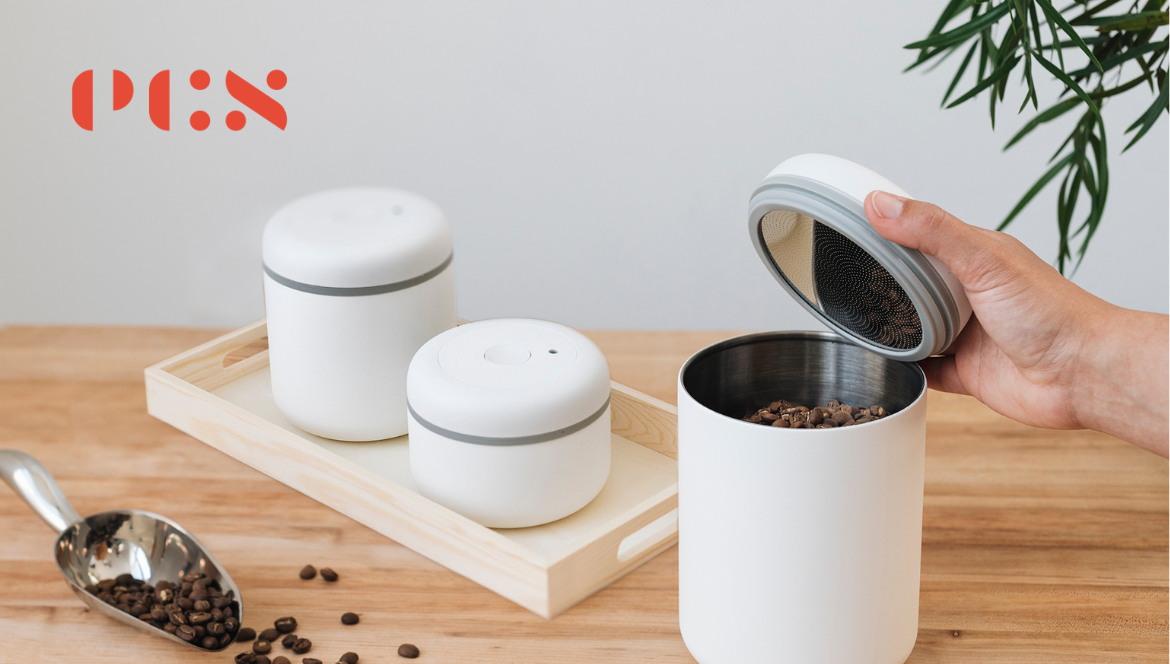 How to properly store coffee
If you, too, are a true coffee enthusiast, meticulously selecting the varieties you like best and eagerly...Read more
How to properly store coffee
If you, too, are a true coffee enthusiast, meticulously selecting the varieties you like best and eagerly...Read more -
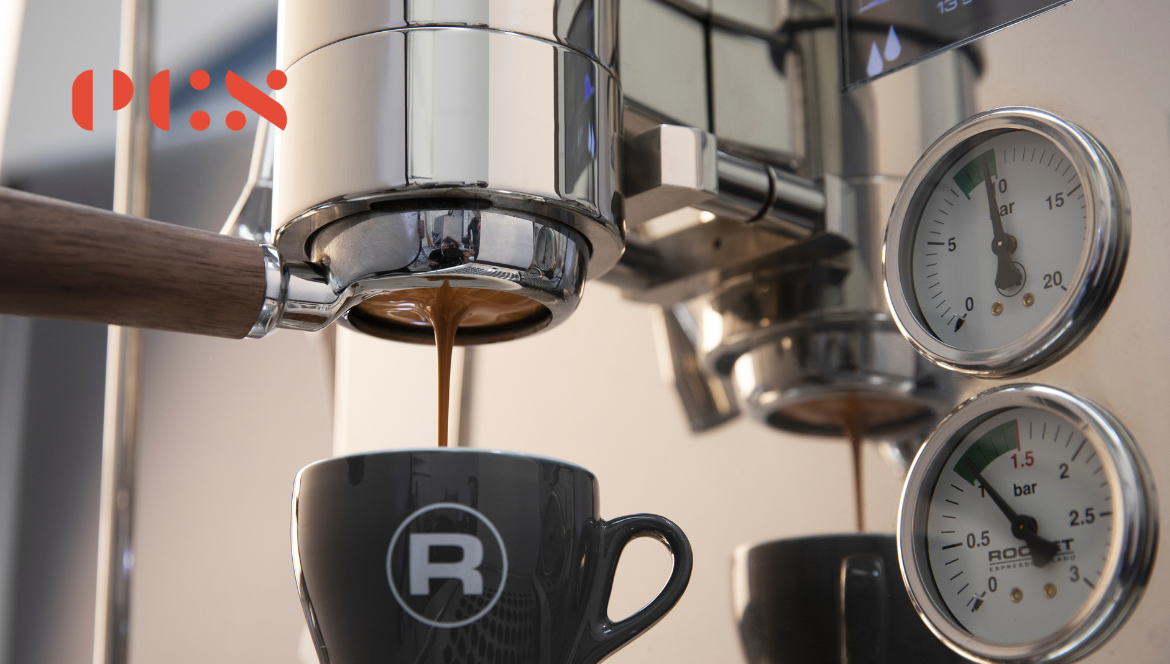 Bottomless portafilter? Here are the aspects to be considered
The search for the perfect espresso is a long road, and there are several tools that can help achieve the perfect...Read more
Bottomless portafilter? Here are the aspects to be considered
The search for the perfect espresso is a long road, and there are several tools that can help achieve the perfect...Read more -
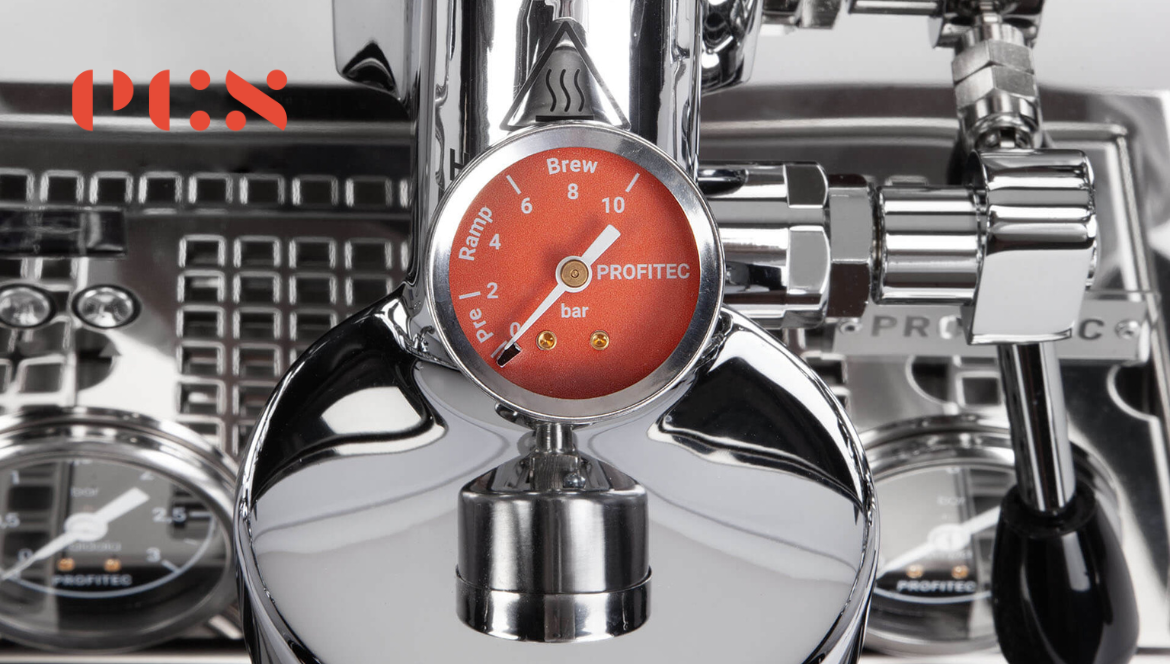 PROFITEC DRIVE: the home machine with professional performance
Drive is the most recent entry in the Profitec household and the evolution of the already highly appreciated Pro 700....Read more
PROFITEC DRIVE: the home machine with professional performance
Drive is the most recent entry in the Profitec household and the evolution of the already highly appreciated Pro 700....Read more -
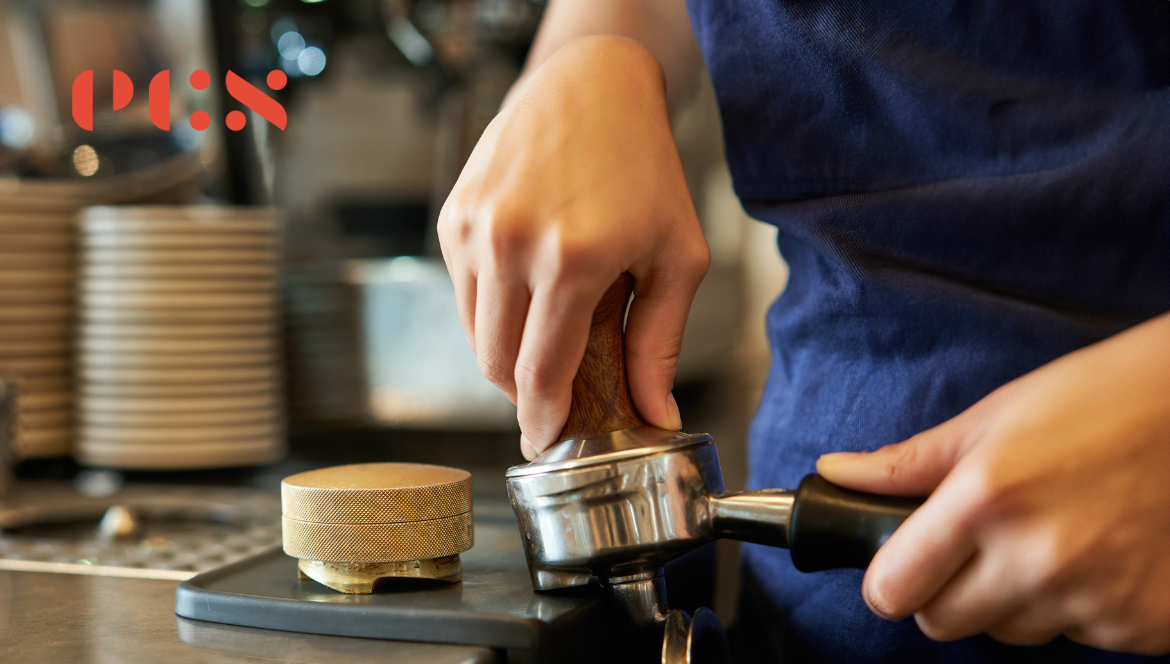 All about a good tamping
To make good coffee, it is important to have the right equipment, quality coffee and not only. It is also necessary...Read more
All about a good tamping
To make good coffee, it is important to have the right equipment, quality coffee and not only. It is also necessary...Read more
Leave a comment