



A UK buyer's guide to choosing the right commercial espresso machine boiler types, key features, costs, and matching...
Please, visit the correct shop for your location:
USA Site

-
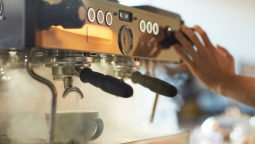 Commercial Espresso Machine Buyers Guide for UK Cafés and RestaurantsRead more2026-08-21
 -
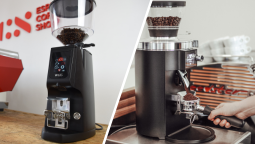 Mahlkönig E65S vs Eureka Atom: Commercial Grinder ShowdownRead more
Compare the Mahlkönig E65S and Eureka Atom to find the right grinder for your café or home setup. This guide covers...
2026-07-15 -
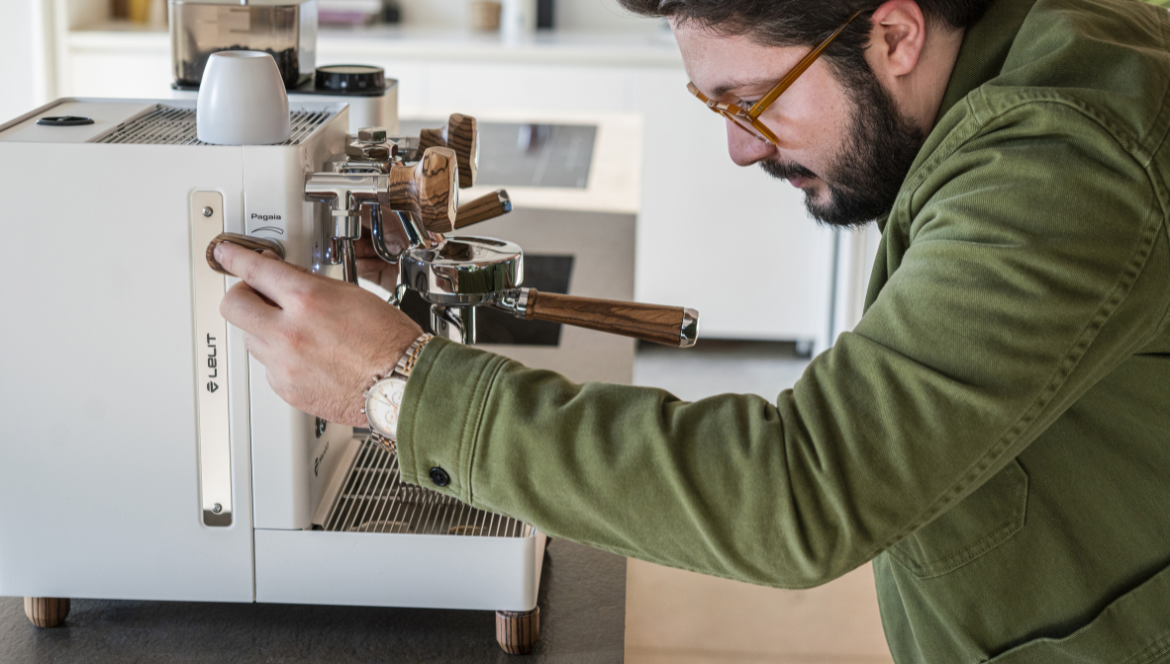 Lelit Machine Maintenance Guide: Keeping Your Investment in Top ConditionRead more
Keep your Lelit espresso machine performing at its best with a simple maintenance routine. This guide covers daily...
2026-07-13 -
 How Burr Size and RPM Affect Grind Quality: A Technical Guide for Home BaristasRead more
Discover how burr size and grinder RPM shape espresso flavour, consistency, heat, and extraction quality. This guide...
2026-07-10 -
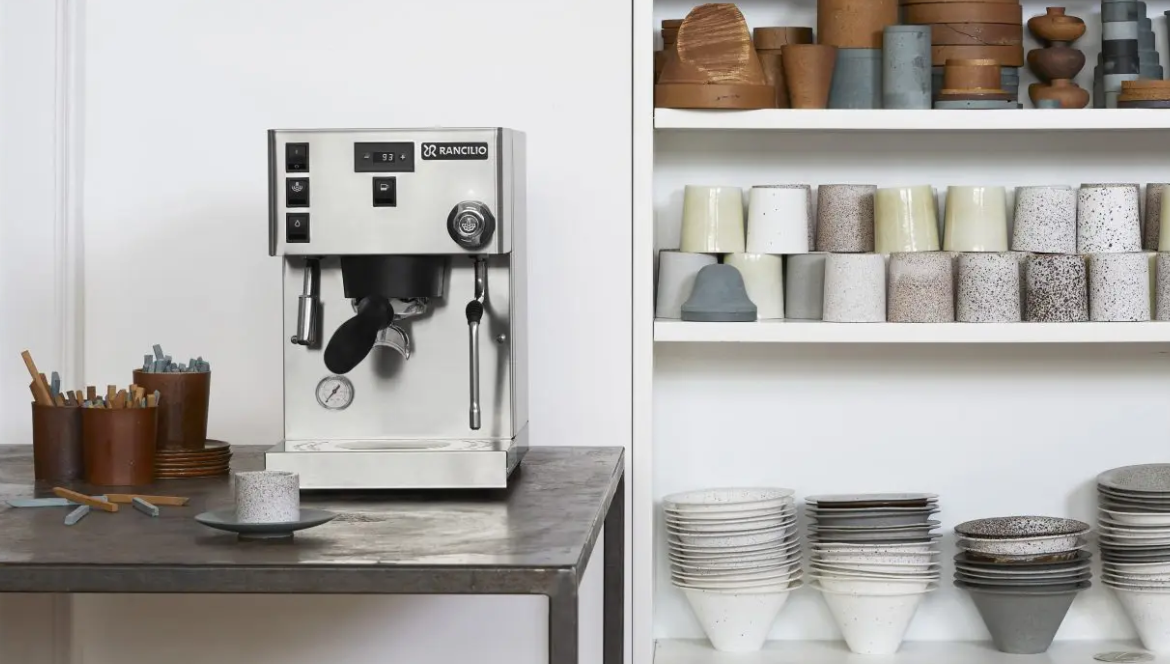 Rancilio Silvia Pro X: In-Depth Review for UK Home BaristasRead more
Discover whether the Rancilio Silvia Pro X is the right upgrade for your home coffee setup. This review covers its...
2026-07-10 -
 La Marzocco Linea Mini R vs Rocket R58 Tune : A Home Barista ComparisonRead more
Comparing two of Italy's finest dual-boiler espresso machines the La Marzocco Linea Mini R and the Rocket R58 Tune...
2026-06-24 -
 Dose-to-Yield Ratio Explained: How to Dial In the Perfect Espresso Every TimeRead more
Mastering the espresso dose-to-yield ratio is one of the fastest ways to improve shot consistency and flavour. This...
2026-06-16 -
 How to Dial In Your Coffee Grinder for a Perfect Espresso ShotRead more
This comprehensive guide explains how to dial in a coffee grinder for better espresso extraction, covering...
2026-06-15 -
 Heat Exchange vs. Dual Boiler Espresso Machines: Which is Right for Home Use?Read more
This guide explains the key differences between Heat Exchanger (HX) and Dual Boiler espresso machines to help home...
2026-06-15 -
 Flat Burr vs Conical Burr Grinders: What's the Difference?Read more
Explore the key differences between flat and conical burr grinders for espresso, including flavour clarity, grind...
2026-05-18
Blog categories
Search in blog
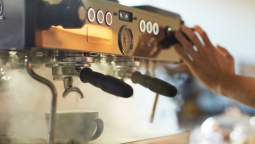
Commercial Espresso Machine Buyers Guide for UK Cafés and Restaurants
Walk into any thriving UK café, and the espresso machine isn't just equipment; it's the engine room of the business. Get the wrong commercial espresso machine, and you'll be fighting inconsistent shots, long queues, and costly downtime during your busiest hours. This guide breaks down exactly what to look for, so you can invest with confidence.
Whether you're opening your first coffee shop or upgrading a tired bar in an existing restaurant, the right machine affects everything from drink quality to staff efficiency. Let's get into it.
Why Choosing the Right Commercial Espresso Machine Matters
A commercial espresso machine isn't a bigger version of your home setup. It's built for continuous, high-volume use, often running 10+ hours a day without a break.
The wrong choice leads to real problems:
- Inconsistent extraction during peak service
- Long recovery times between shots, causing queues
- Higher repair costs from components not rated for commercial use
- Poor milk texture, which affects your latte art and customer perception
Getting this decision right at the start saves you thousands in downtime, callouts, and lost custom over the machine's lifetime.
Types of Commercial Espresso Machines Explained
Not all machines work the same way, and picking the right type matters as much as picking the right brand.
Semi-Automatic Machines
These give your barista full control over dosing and extraction timing. They're the standard choice for specialty coffee shops that want consistency built on skill rather than automation.
Automatic and Super-Automatic Machines
Automatic machines handle dosing and shot timing at the touch of a button. Super-automatics go further, grinding, tamping, and pulling the shot in one motion, useful for restaurants where staff aren't trained baristas but drink quality still matters.
Boiler Configuration
- Single boiler: Budget-friendly, but you can't steam milk and pull shots simultaneously, a bottleneck for busy venues.
- Heat exchanger (HX): One boiler handles both brewing and steaming, a solid mid-range option for moderate volume.
- Dual boiler: Separate boilers for brewing and steaming operate simultaneously, ideal for any café expecting a steady queue.
Key Features to Look for in a Commercial Coffee Machine Buyers Guide
When you're comparing machines side by side, focus on the features that actually affect daily operations.
- PID temperature control, keeps water temperature stable shot after shot, which is essential for consistency.
- Number of group heads, a single-group machine suits a small café; two or three groups suit higher footfall restaurants and coffee shops.
- Boiler capacity, larger boilers recover faster between drinks during rush periods.
- Build quality, look for stainless steel or brass components designed for daily commercial wear.
- Ease of maintenance, machines with accessible parts reduce engineer callout time and cost.
Pairing your machine with a matched commercial grinder is just as important. A high-end espresso machine paired with an inconsistent grinder will still produce uneven shots, so treat the two as one system rather than separate purchases.
Best Commercial Espresso Machine for Café:
The best commercial espresso machine for café use depends entirely on your daily cup count, not just your budget.
Example scenario: An independent café in Bristol serving 80–120 coffees a day upgraded from a single-boiler machine to a two-group, dual-boiler setup. Queue times during the Saturday morning rush dropped noticeably, and staff reported far more consistent milk texturing since steam and brew no longer competed for the same boiler.
As a rough guide:
- Under 80 cups/day: single-group HX or dual boiler machine
- 80–200 cups/day: two-group dual boiler machine
- 200+ cups/day: three-group machine or multiple stations
Choosing an Espresso Machine for Restaurant Use
An espresso machine for restaurant service has different demands than a dedicated coffee shop. Coffee is often a secondary offering, ordered alongside food rather than being the main draw.
Restaurants typically benefit from:
- Automatic or super-automatic machines that reduce training time for non-specialist staff
- Compact footprints that fit behind a bar rather than a dedicated coffee station
- Programmable volumetric dosing so drink quality stays consistent even during a packed dinner service.
If your restaurant is building a reputation around its coffee offering, a semi-automatic machine with a skilled barista may still be the better long-term investment.
Budget, Running Costs, and What to Expect
Commercial espresso machines in the UK typically range from around £1,500–£2,500 for entry-level single-group models, £3,500–£7,000 for mid-range dual or triple-group machines, and £8,000–£15,000+ for premium multi-group setups from specialist brands.
Beyond the upfront price, factor in:
- Servicing: Most commercial machines need professional servicing every 6–12 months.
- Water filtration: Hard water areas (common across much of the UK) require a filtration system to protect boilers and extend machine lifespan.
- Grinder investment: Budget roughly 30–40% of your machine spend on a matched commercial grinder for genuinely consistent results.
Leasing options are increasingly common for new café openings, spreading the cost while keeping cash flow free for other setup expenses.
Common Mistakes UK Café and Restaurant Owners Make
Even experienced operators get this wrong sometimes:
- Buying a machine sized for current demand with no room to grow
- Skipping water filtration and paying for it later in boiler repairs
- Choosing based on price alone rather than parts availability and servicing support in the UK
- Underestimating grinder importance relative to the machine itself
Avoiding these pitfalls upfront is far cheaper than fixing them mid-service.
Final Thoughts: Investing in the Right Commercial Espresso Machine
Choosing a commercial espresso machine is one of the most important decisions you'll make for your café or restaurant. The right setup matched to your volume, service style, and staff skill level pays for itself through consistency, speed, and fewer breakdowns during peak hours.
Ready to find the right setup for your business? Explore our full range of commercial espresso machines and matched grinder sets at Espressocoffeeshop, and shop with confidence knowing every machine is chosen to perform under real café and restaurant conditions.
FAQ’s
1) How much does a commercial espresso machine cost in the UK?
Prices typically start around £1,500–£2,500 for entry-level single-group models, £3,500–£7,000 for mid-range dual or triple-group machines, and £8,000–£15,000+ for multi-group premium models, depending on brand, boiler configuration, and build quality.
2) What's the difference between a commercial and a home espresso machine?
Commercial machines are built for continuous daily use, often 10+ hours without a break, with larger boilers, sturdier components, and faster recovery times than home models designed for occasional use.
3) Do I need a water filter for a commercial espresso machine?
Yes. Most UK water is hard enough to cause scale build-up in boilers, so a filtration system is essential to protect the machine and avoid costly repairs.
4) How often does a commercial espresso machine need servicing?
Most manufacturers recommend professional servicing every 6–12 months, though high-volume venues may need it more frequently to keep extraction consistent.
5) Should I buy my espresso machine and grinder together?
Ideally, yes. A mismatched grinder can undermine even the best machine, so budgeting roughly 30–40% of your machine spend on a matched commercial grinder helps ensure consistent shots.
Related posts
-
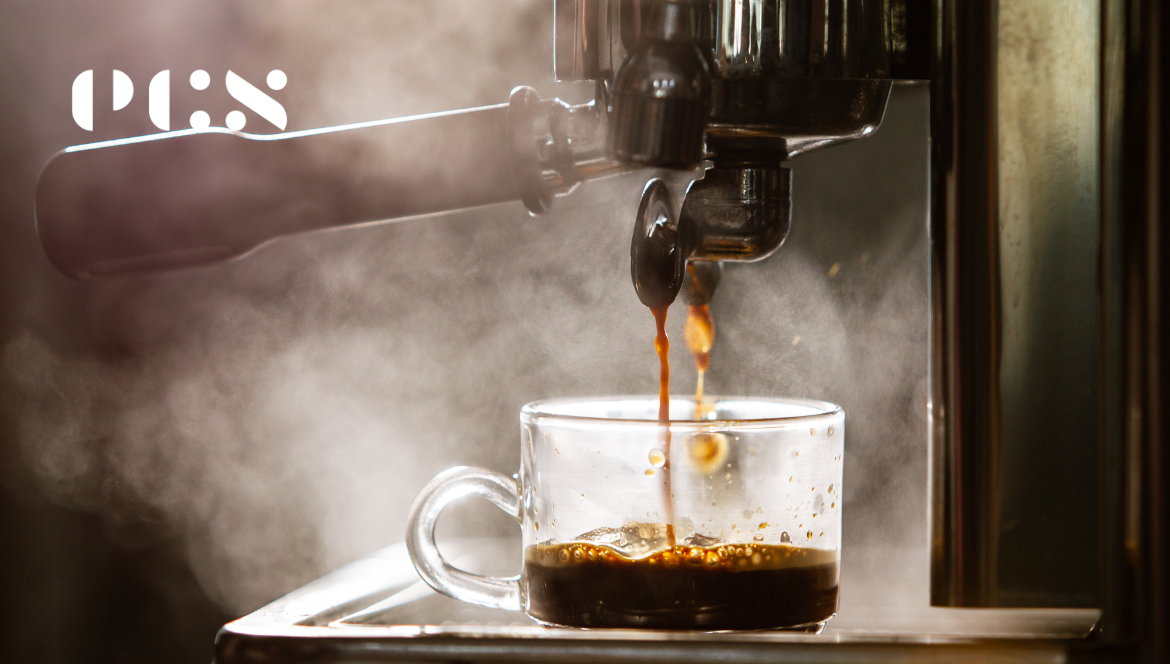 Understanding Espresso Machines: Single Boiler, Dual Boiler, and Heat Exchanger Models
Choosing the right espresso machine can elevate your coffee experience to new heights. At Espresso Coffee Shop we...Read more
Understanding Espresso Machines: Single Boiler, Dual Boiler, and Heat Exchanger Models
Choosing the right espresso machine can elevate your coffee experience to new heights. At Espresso Coffee Shop we...Read more -
 Flat or conical burrs? That is the question
The coffee grinder is among the most important equipment for any barista and home barista. When it comes to choosing...Read more
Flat or conical burrs? That is the question
The coffee grinder is among the most important equipment for any barista and home barista. When it comes to choosing...Read more -
 Arabica vs. Robusta: the main differences between the two most popular coffee varieties
When it comes to choosing the perfect coffee, there are two names that immediately come to mind: Arabica and...Read more
Arabica vs. Robusta: the main differences between the two most popular coffee varieties
When it comes to choosing the perfect coffee, there are two names that immediately come to mind: Arabica and...Read more -
 The first store Espresso Coffee Shop in Italy!
We are excited to announce the opening of our Temporary Shop in Milan, an must-visit meeting point for all coffee...Read more
The first store Espresso Coffee Shop in Italy!
We are excited to announce the opening of our Temporary Shop in Milan, an must-visit meeting point for all coffee...Read more -
 Different types of group heads: complete guide to help you choose the right espresso machine
When choosing an espresso machine, the group head is one of the most important components to consider. It plays a key...Read more
Different types of group heads: complete guide to help you choose the right espresso machine
When choosing an espresso machine, the group head is one of the most important components to consider. It plays a key...Read more
Leave a comment