



The Mahlkönig E64 WS is a home espresso grinder that weighs every dose to 0.1 g with Grind-by-Weight, offers...
-
 Mahlkönig E64 WS reviewed: why it's our best-selling grinder and what makes it specialRead more2026-10-30
-
 Milk Jugs for Latte Art: Size, Shape and Material GuideRead more
Choosing the right milk jug can make latte art easier to learn and more consistent to repeat. This guide covers jug...
2026-10-26 -
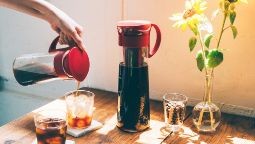 Cold Brew vs Iced Espresso: Key Differences and How to Make BothRead more
Cold brew and iced espresso both cool down your coffee routine, but they are made and taste very different. Cold brew...
2026-10-23 -
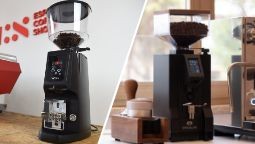 Eureka Atom vs. Eureka Oro: a detailed comparison for the discerning home baristaRead more
Eureka Atom or Eureka Oro? Compare speed, burrs, hopper size, noise and current UK prices to find the right grinder...
2026-10-22 -
 Why the Profitec Go is our best-selling espresso machine and why customers love itRead more
The Profitec Go has earned its place as our top-selling espresso machine by striking the right balance between...
2026-09-29 -
 Eureka grinders: the Italian craftsmanship behind some of the quietest grinders on the marketRead more
Eureka has spent over a century refining the art of Italian grinder engineering, and quiet operation is where that...
2026-09-28 -
 Why Lelit has become a go-to brand for home espresso enthusiasts worldwideRead more
Lelit has earned its place among the world's most trusted home espresso brands by combining genuine Italian...
2026-09-28 -
 Single Dose Grinders: Why They're Taking Over the Home Barista WorldRead more
Single-dose grinders are reshaping how home baristas think about freshness. Instead of loading a hopper and grinding...
2026-09-24 -
 Lelit Bianca vs ECM Synchronika: Which PID Dual Boiler Wins?Read more
Choosing between the Lelit Bianca and ECM Synchronika can be difficult for home baristas looking for a high-end PID...
2026-08-27 -
 Single Dose vs. Hopper Grinding: Which Setup Suits Your Home Coffee Routine?Read more
Single-dose and hopper grinders suit different home coffee routines. A single-dose grinder is ideal for coffee...
2026-08-27
Blog categories
Search in blog
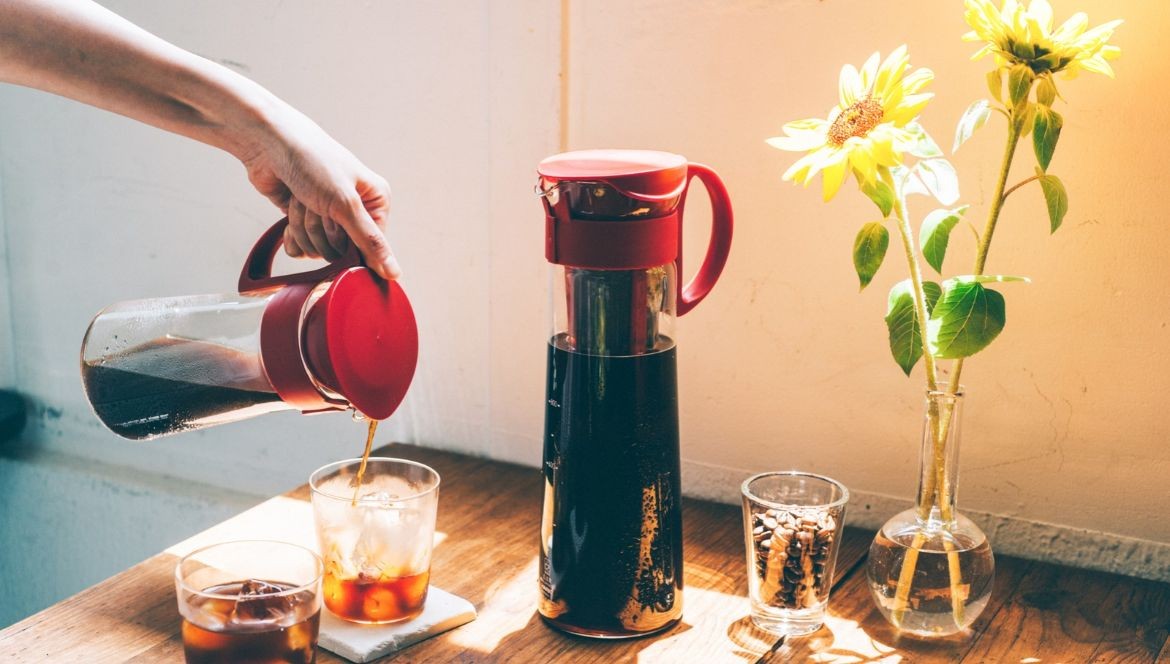
Cold Brew vs Iced Espresso: Key Differences and How to Make Both
Cold brew and iced espresso both give you chilled coffee, but they are made differently, taste different and need a different kit. Whether it is a warm afternoon or you simply prefer your coffee over ice in October, knowing the difference saves wasted beans.
If you already own an espresso machine for home use, you can make iced espresso today. Cold brew needs only a jug, a filter and a suitable grinder.
Cold Brew vs Iced Espresso: The Core Difference
Cold brew is steeped. Iced espresso is brewed hot, then chilled fast.
- Cold brew uses cold or room-temperature water and coarse grounds, steeped for 12 to 24 hours with no heat.
- Iced espresso starts as a normal hot shot, which is then poured over ice or shaken to cool it quickly.
Why This Changes the Flavour
Hot water extracts acids and aromatics quickly, so iced espresso tastes brighter and more intense. Cold water extracts more slowly and gently, which is why cold brew is often perceived as smoother and sweeter.
How to Make Cold Brew at Home
Cold brew does not need an espresso machine at all.
- Grind coffee coarse, similar to cafetière.
- Combine coffee and cold water at roughly 1:8 by weight.
- Steep for 12 to 24 hours, in the fridge or at room temperature.
- Strain through a fine mesh or paper filter.
- Dilute with water, milk or ice before serving.
For example, 100g of coffee with 800ml of water makes a concentrate. Steeping much beyond 24 hours can taste woody or bitter, so set a reminder.
Grind consistency matters here. A blade grinder produces uneven particles, so some grounds over-extract while others barely contribute. A burr grinder for espresso gives a more even result, but check that your coffee grinder's coarsest setting actually reaches a cafetière-style grind. Many espresso grinders are tuned for the fine end of the range.
Two small habits improve the result. Use filtered water if your tap water is hard or heavily chlorinated, because it affects flavour. And keep the jug covered in the fridge, since cold coffee absorbs other smells easily.
Iced Espresso with an Espresso Machine for Home
This is where your machine does the work, with one extra step at the end.
- Pull a double shot as normal, using fresh, correctly dosed coffee.
- Make it slightly stronger than usual: raise the dose or use a shorter ratio (for example 1:1.5 instead of 1:2), because the ice will dilute it.
- Pour it straight over a full glass of ice.
- Add cold milk, tonic or syrup if you like.
Use large ice cubes where you can. Small cubes melt faster and water down the drink before you finish it.
Speed matters. Pouring the shot onto ice while it is still hot cools it quickly, which preserves more aroma and flavour than letting it sit and cool on the worktop.
Three Easy Iced Espresso Variations
Once the base shot works, small changes give you different drinks:
- Iced latte: pour the shot over ice, then top with cold milk, roughly two parts milk to one part espresso.
- Espresso tonic: fill a glass with ice and tonic water, then pour the shot slowly over the top. Expect a bitter-sweet, fizzy drink.
- Shakerato: shake the hot shot with ice and a little sugar syrup in a shaker, then strain it into a chilled glass. It comes out cold with a light foam.
A Real-World Example
On a Saturday morning, one person wants a smooth, low-acid drink to sip slowly, so they set up a jug of cold brew the evening before. Their partner wants a fast, bold coffee before a 9am meeting, so they pull a double shot and pour it over ice.
Same beans, two different drinks. The cold brew needs 12 to 24 hours of waiting, but the iced espresso takes under five minutes of hands-on time. That is the practical case for knowing both methods.
Taste, Strength and Caffeine Compared
Cold brew is not automatically stronger. It depends on your ratio and how much you dilute it.
|
Factor |
Cold Brew |
Iced Espresso |
|
Acidity |
Lower, smoother |
Higher, brighter |
|
Caffeine per serving |
Can be higher, especially undiluted |
Lower per shot, but concentrated |
|
Time needed |
12 to 24 hours |
Under 2 minutes |
|
Equipment |
Jug, filter, grinder |
Espresso machine, grinder |
|
Keeps in the fridge |
About 7 to 10 days |
Best drunk fresh |
Cold brew concentrate uses more grounds relative to water, so a large glass can carry more caffeine than a single double shot.
Roast level also shifts the taste. Lighter roasts keep more fruity acidity in either drink, while darker roasts push cold brew towards chocolate and nut flavours. Try one bag both ways to hear the difference yourself.
Gear You Need for Both Drinks
The two methods share more kit than you might expect. Check each product page for current price and stock.
- Espresso machine: needed for iced espresso only. Browse espresso machines or a matched machine-and-grinder set.
- Grinder: a coffee grinder that reaches both fine and coarse settings.
- Cold brew jug: any large jug or jar plus a fine filter. This is the only item specific to cold brew.
- Home espresso accessories: a scale and a milk jug cover most daily use. See all accessories.
Examples From Our Range
Prices were checked on 19 October 2026 and may change.
|
Product |
Why it suits this |
Price |
|
Entry-level machine and grinder set for iced shots |
£777.00 |
|
|
Step-up set for daily iced and hot drinks |
£1,406.00 |
|
|
Accurate dose and ratio for both methods |
£150.00 |
|
|
Milk for iced lattes |
£28.00 |
Which One Should You Choose?
Pick cold brew if you want:
- A smooth, lower-acid drink you can batch in advance
- Something that keeps for days in the fridge
- A larger, slower-sipping glass
Pick iced espresso if you want:
- A bold coffee in under two minutes
- Bright, aromatic flavour
- Something close to your usual espresso, just chilled
Final Thoughts
Cold brew rewards patience with a smooth glass you can prepare ahead. Iced espresso gives you a bold, familiar shot in minutes. If you already have an espresso machine for home, you are set for iced espresso now, and a jug plus a grinder with a true coarse setting covers cold brew too.
Explore our espresso machines, grinders and home espresso accessories to build a setup that handles both.
Frequently Asked Questions
1. Can I use the same beans for both drinks? Yes. Use whichever beans you enjoy as espresso for iced espresso. For cold brew, many people prefer medium to dark roasts, but it comes down to taste.
2. Can I make cold brew with my espresso machine? Not directly. Cold brew relies on time, not pressure or heat, so a jug and filter work better.
3. What grind size should I use for cold brew? Coarse, similar to cafetière. Check that your grinder's coarsest setting reaches this before you start.
4. Why does my iced espresso taste watery? The shot was probably too dilute before it met the ice. Raise the dose or use a shorter ratio, and pour it over the ice straight away.
5. How do I dilute cold brew concentrate? Start with equal parts concentrate and water or milk, then adjust to taste.
Related posts
-
 Understanding Espresso Machines: Single Boiler, Dual Boiler, and Heat Exchanger Models
Choosing the right espresso machine can elevate your coffee experience to new heights. At Espresso Coffee Shop we...Read more
-
 How to properly store coffee
If you, too, are a true coffee enthusiast, meticulously selecting the varieties you like best and eagerly...Read more
-
 Bottomless portafilter? Here are the aspects to be considered
The search for the perfect espresso is a long road, and there are several tools that can help achieve the perfect...Read more
-
 PROFITEC DRIVE: the home machine with professional performance
Drive is the most recent entry in the Profitec household and the evolution of the already highly appreciated Pro 700....Read more
-
 All about a good tamping
To make good coffee, it is important to have the right equipment, quality coffee and not only. It is also necessary...Read more