




The Mahlkönig E64 WS is a home espresso grinder that weighs every dose to 0.1 g with Grind-by-Weight, offers...
-
 Mahlkönig E64 WS reviewed: why it's our best-selling grinder and what makes it specialRead more2026-10-30
-
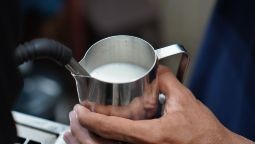 Milk Jugs for Latte Art: Size, Shape and Material GuideRead more
Choosing the right milk jug can make latte art easier to learn and more consistent to repeat. This guide covers jug...
2026-10-26 -
 Cold Brew vs Iced Espresso: Key Differences and How to Make BothRead more
Cold brew and iced espresso both cool down your coffee routine, but they are made and taste very different. Cold brew...
2026-10-23 -
 Eureka Atom vs. Eureka Oro: a detailed comparison for the discerning home baristaRead more
Eureka Atom or Eureka Oro? Compare speed, burrs, hopper size, noise and current UK prices to find the right grinder...
2026-10-22 -
 Why the Profitec Go is our best-selling espresso machine and why customers love itRead more
The Profitec Go has earned its place as our top-selling espresso machine by striking the right balance between...
2026-09-29 -
 Eureka grinders: the Italian craftsmanship behind some of the quietest grinders on the marketRead more
Eureka has spent over a century refining the art of Italian grinder engineering, and quiet operation is where that...
2026-09-28 -
 Why Lelit has become a go-to brand for home espresso enthusiasts worldwideRead more
Lelit has earned its place among the world's most trusted home espresso brands by combining genuine Italian...
2026-09-28 -
 Single Dose Grinders: Why They're Taking Over the Home Barista WorldRead more
Single-dose grinders are reshaping how home baristas think about freshness. Instead of loading a hopper and grinding...
2026-09-24 -
 Lelit Bianca vs ECM Synchronika: Which PID Dual Boiler Wins?Read more
Choosing between the Lelit Bianca and ECM Synchronika can be difficult for home baristas looking for a high-end PID...
2026-08-27 -
 Single Dose vs. Hopper Grinding: Which Setup Suits Your Home Coffee Routine?Read more
Single-dose and hopper grinders suit different home coffee routines. A single-dose grinder is ideal for coffee...
2026-08-27
Blog categories
Search in blog
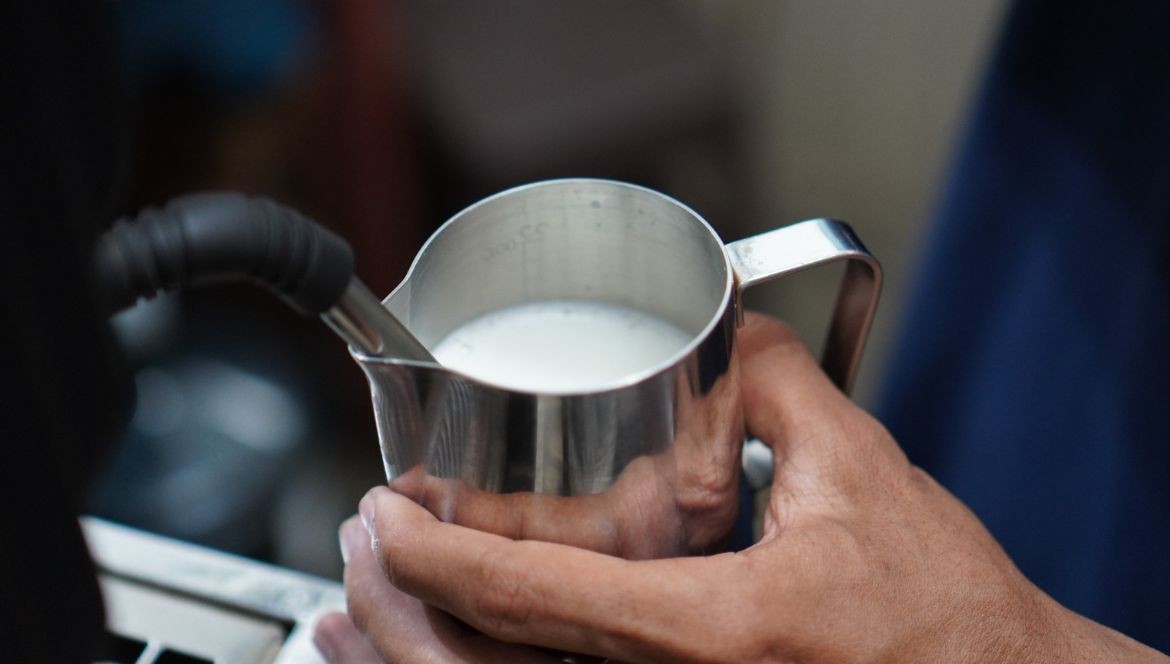
Milk Jugs for Latte Art: Size, Shape and Material Guide
If you've ever watched a barista pour a flawless rosetta and wondered why your own attempts look more like a Rorschach test, technique is the biggest factor. But your jug matters too. It is one of the most overlooked pieces of home coffee equipment, and the right size, spout and material make good technique far easier to repeat.
This guide covers what to look for, with real jugs you can buy in the UK.
Why your milk jug matters
A milk jug is both a steaming vessel and a pouring tool. The spout shapes the stream of milk, the body affects how the milk swirls under the steam wand, and the material affects grip, weight and durability.
Many home baristas spend heavily on the machine and grinder, then use whatever jug came with a starter kit. A well-chosen jug is a small cost, and it is one of the simplest coffee accessories to upgrade.
Choosing the right size
Match the jug to the drinks you actually make. A jug that is too big for one drink makes it hard to judge volume and control the pour.
Here are the jugs currently listed in our milk jug range:
|
Jug |
Jug |
Price |
Best for |
|
30cl |
£28 |
A single flat white or cappuccino |
|
|
35cl |
£45 |
One generous drink or a small latte |
|
|
40cl |
£22 |
A latte, with room to practise |
Prices were correct at the time of writing, so check the product pages before buying.
Fill the jug no more than halfway, or to the base of the spout, before steaming. Milk expands as it is aerated, so a 40cl jug suits roughly 150 to 200ml of cold milk. Larger jugs only make sense if you regularly steam for several drinks at once.
Example: Say you steam milk for one 180ml flat white in a jug far larger than you need. The milk spreads thinly across a wide base, the whirlpool is harder to maintain, and the pour comes out uneven. Moving to a 30 to 40cl jug usually makes the milk easier to handle straight away.
Spout shape and latte art
The spout controls how the milk leaves the jug, so it has a big effect on detail.
- Pointed spout: Gives a thinner, more controlled stream, which many baristas prefer for tulips and rosettas.
- Rounded spout: Gives a broader flow that is often more forgiving for hearts and early practice.
If you are still learning milk texture, a rounded spout is a sensible start. Once your technique is consistent, a sharper spout gives you more room to refine your designs.
Body shape and handle
These details are largely a matter of preference, so try a few if you can.
- Teardrop bodies: Many baristas like them because the tapered shape helps keep milk swirling smoothly.
- Cylindrical bodies: Often considered easier to read when you are learning how the milk moves.
- Closed handles: Give a secure grip for longer steaming sessions.
- Open handles: Some baristas find them quicker to rotate once they are confident.
Whichever you choose, comfort matters. A handle that tires your hand over time makes consistent pours harder.
Material: stainless steel
Stainless steel is the standard material for milk jugs. It is durable, easy to clean and resists rust with normal care. Steel is not a particularly good conductor of heat, so its main advantages are strength and hygiene rather than heat retention.
Jug thickness varies between makers. Check the product description, and bear in mind that thinner walls may dent more easily if the jug is knocked or dropped.
Remember that microfoam quality comes mainly from technique and steam wand positioning. The jug supports that work, but it does not replace it.
How a milk jug fits into your wider coffee setup
A jug works best alongside other espresso accessories that improve consistency, such as scales and a tamper. If you are still choosing your machine, our range of coffee machine accessories includes items that suit most home setups. Browse the full accessories collection to build a kit that matches your routine.
Conclusion
The right milk jug comes down to four things: a size that fits your usual drink, a spout that suits your skill level, a body and handle that feel comfortable, and a material you are happy to maintain. None of them replaces practice, but together they make practice more productive. As part of any coffee shop kit, from café bar to kitchen worktop, a good jug earns its place.
Ready to choose? Shop our milk jugs and find one that fits your setup.
FAQ’s
1. What size milk jug is best for a beginner?
A 30 to 40cl jug is easiest to control for one drink, because there is less milk to swirl and pour.
2. Do I need a pointed spout to make latte art?
No. A rounded spout is fine for hearts and early practice. A pointed spout becomes more useful as you move to finer designs.
3. Does the jug material change the quality of my foam?
Not directly. Foam quality depends mainly on technique and steam wand use. Material affects durability, weight and how easy the jug is to clean.
4. How should I clean a milk jug?
Rinse it straight after steaming so milk doesn't dry on, then wash with warm soapy water. Check the product page for any care instructions.
5. How much milk should I put in the jug?
Fill to no more than halfway, or to the base of the spout, so the milk has room to expand while steaming.
Related posts
-
 Understanding Espresso Machines: Single Boiler, Dual Boiler, and Heat Exchanger Models
Choosing the right espresso machine can elevate your coffee experience to new heights. At Espresso Coffee Shop we...Read more
-
 How to properly store coffee
If you, too, are a true coffee enthusiast, meticulously selecting the varieties you like best and eagerly...Read more
-
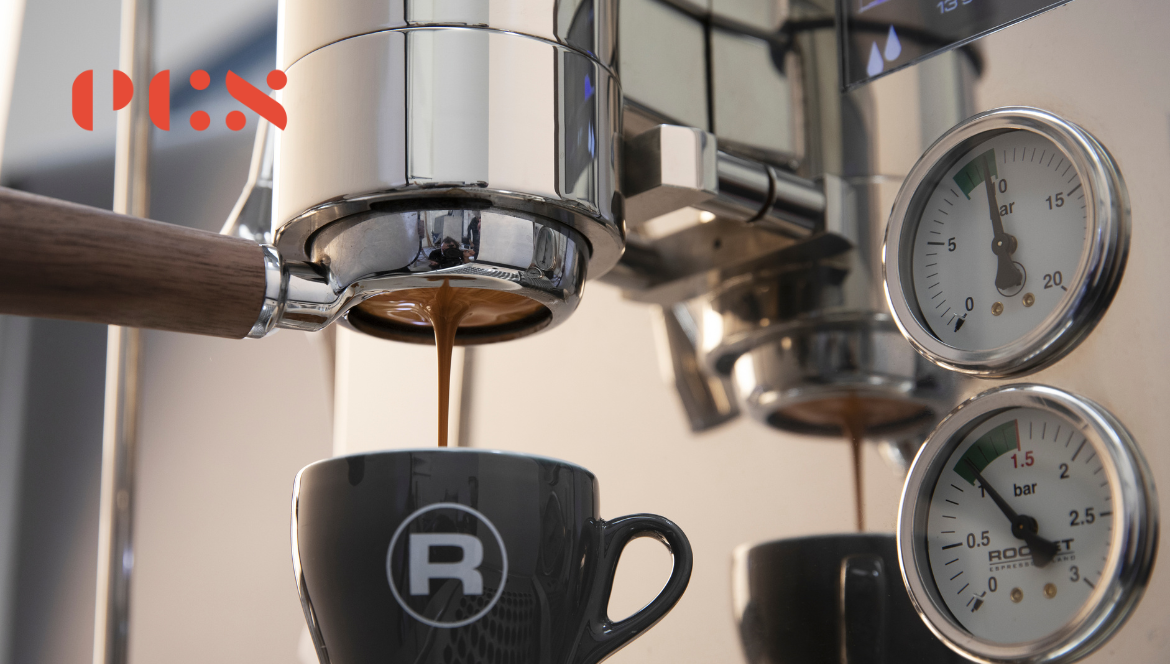 Bottomless portafilter? Here are the aspects to be considered
The search for the perfect espresso is a long road, and there are several tools that can help achieve the perfect...Read more
-
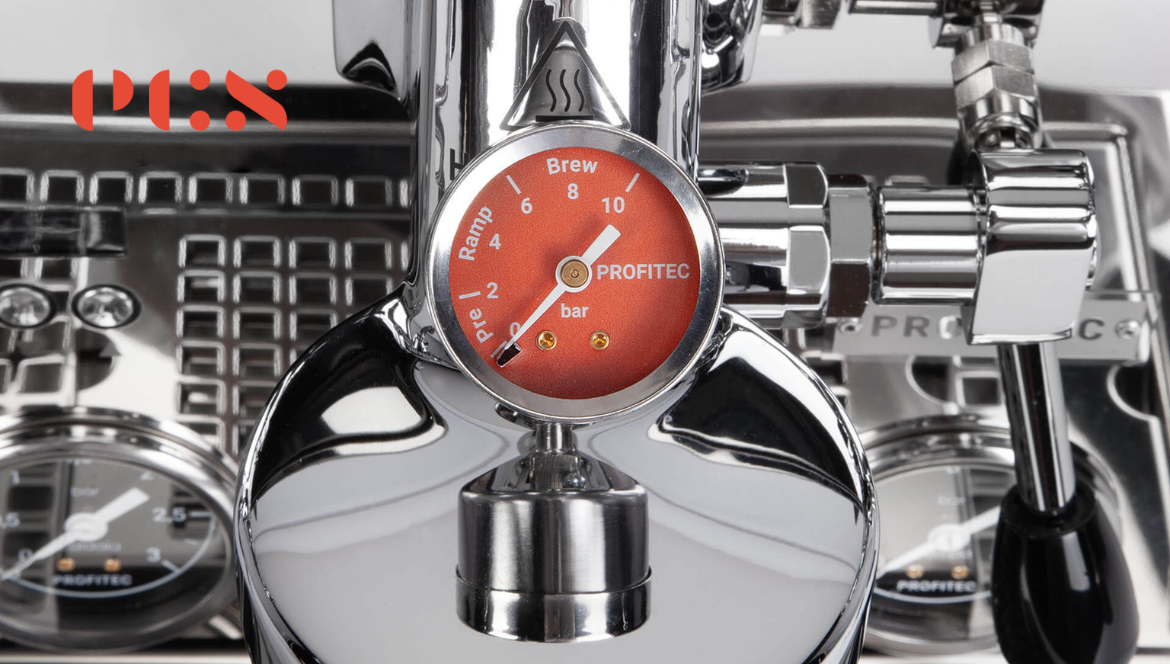 PROFITEC DRIVE: the home machine with professional performance
Drive is the most recent entry in the Profitec household and the evolution of the already highly appreciated Pro 700....Read more
-
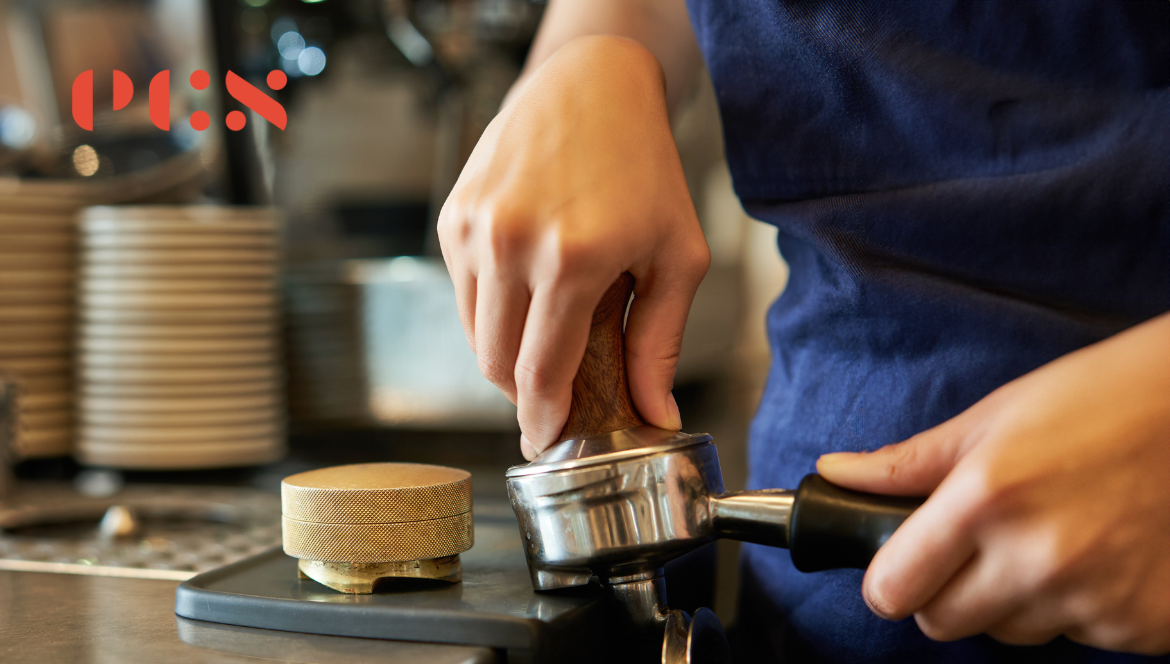 All about a good tamping
To make good coffee, it is important to have the right equipment, quality coffee and not only. It is also necessary...Read more