



Choosing between the Lelit Bianca and ECM Synchronika can be difficult for home baristas looking for a high-end PID...
Please, visit the correct shop for your location:
USA Site

-
 Lelit Bianca vs ECM Synchronika: Which PID Dual Boiler Wins?Read more2026-08-27
 -
 Single Dose vs. Hopper Grinding: Which Setup Suits Your Home Coffee Routine?Read more
Single-dose and hopper grinders suit different home coffee routines. A single-dose grinder is ideal for coffee...
2026-08-27 -
 Understanding Group Heads: E61, Saturated & Thermosyphon ExplainedRead more
E61 group head explained how it works, plus saturated and thermosyphon designs compared, so you can choose the right...
2026-08-24 -
 Commercial Espresso Machine Buyers Guide for UK Cafés and RestaurantsRead more
A UK buyer's guide to choosing the right commercial espresso machine boiler types, key features, costs, and matching...
2026-08-21 -
 Mahlkönig E65S vs Eureka Atom: Commercial Grinder ShowdownRead more
Compare the Mahlkönig E65S and Eureka Atom to find the right grinder for your café or home setup. This guide covers...
2026-07-15 -
 Lelit Machine Maintenance Guide: Keeping Your Investment in Top ConditionRead more
Keep your Lelit espresso machine performing at its best with a simple maintenance routine. This guide covers daily...
2026-07-13 -
 How Burr Size and RPM Affect Grind Quality: A Technical Guide for Home BaristasRead more
Discover how burr size and grinder RPM shape espresso flavour, consistency, heat, and extraction quality. This guide...
2026-07-10 -
 Rancilio Silvia Pro X: In-Depth Review for UK Home BaristasRead more
Discover whether the Rancilio Silvia Pro X is the right upgrade for your home coffee setup. This review covers its...
2026-07-10 -
 La Marzocco Linea Mini R vs Rocket R58 Tune : A Home Barista ComparisonRead more
Comparing two of Italy's finest dual-boiler espresso machines the La Marzocco Linea Mini R and the Rocket R58 Tune...
2026-06-24 -
 Dose-to-Yield Ratio Explained: How to Dial In the Perfect Espresso Every TimeRead more
Mastering the espresso dose-to-yield ratio is one of the fastest ways to improve shot consistency and flavour. This...
2026-06-16
Blog categories
Search in blog
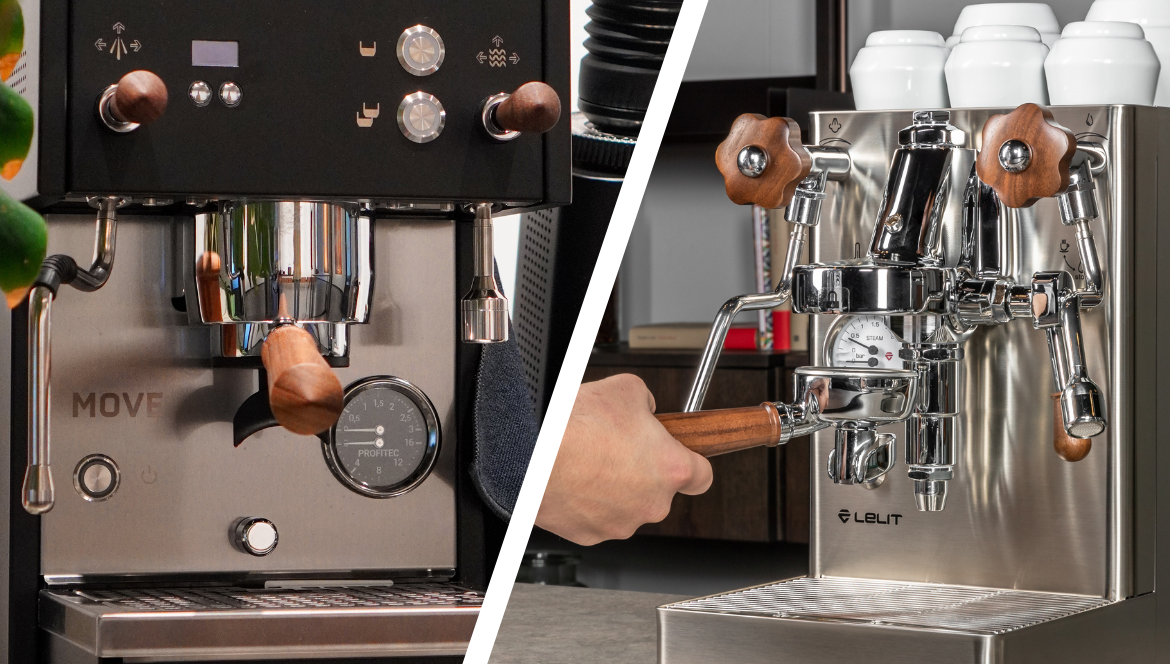
Heat Exchange vs. Dual Boiler Espresso Machines: Which is Right for Home Use?
If you've started seriously shopping for a home espresso machine, you've almost certainly come across two terms that can feel deceptively technical: heat exchanger (HX) and dual boiler. Both sit well above entry-level, and both can produce genuinely excellent espresso. The key difference is how they handle temperature, workflow, and your daily routine at the machine. Understanding that difference will save you money, frustration, and a great deal of second-guessing, so let's break it down clearly.
In short, a heat exchanger machine uses a single boiler to handle both brewing and steaming, while a dual-boiler machine separates those functions into two independent boilers. That single engineering difference creates clear trade-offs in temperature stability, ease of use, price, and the kind of home barista experience each machine delivers.
How Does a Heat Exchanger Espresso Machine Work?
A heat-exchanger espresso machine operates on a single large steam boiler, typically set to around 120°C to maintain steam pressure. Inside that boiler runs a narrow tube, the heat exchanger itself, through which fresh, cooler water passes on its way to the group head. By the time it reaches the portafilter, the water has been heated to approximately the right brewing temperature without ever mixing with the steam-boiler water.
The clever part is that steaming and brewing can happen simultaneously. You don't need to wait for a boiler to cool down before pulling a shot or heat it up again before frothing milk. For many home users who want café-style workflow without spending thousands on a dual-boiler, this is a strong advantage.
The Cooling Flush: What It Is and Why It Matters
There's one important quirk specific to HX machines: the cooling flush. Because the brewing water is passively heated by the steam boiler, it can overheat if the machine sits idle. Before pulling a shot, most experienced HX users run a short burst of water through the group to bring the temperature back into the ideal brewing range (typically 88–96°C, depending on the coffee).
This is a learned habit rather than a serious inconvenience, but it does mean HX machines reward attentive users. With a high-quality machine and a PID controller, the temperature can be read and controlled with real precision, but the routine still differs from that of a dual-boiler setup.
Heat Exchanger Machine in Focus: Rocket Appartamento
One of the most respected heat exchanger espresso machines in the UK market is the Rocket Appartamento. Available from Espresso Coffee Shop UK, it features a 1.8-litre copper boiler, an E61 group head for excellent thermal stability, and a strikingly compact footprint that suits most UK kitchen worktops. It brews and steams simultaneously, looks beautiful in stainless steel, and has a proven track record for long-term reliability.
Featured: Rocket Appartamento Espresso Machine
1.8L copper HX boiler, E61 group head, simultaneous brew and steam, compact design a benchmark home HX machine with elegant Italian aesthetics.
Price: From £1,161 (inc. VAT) — Free UK shipping on orders over £300
Shop now: https://www.espressocoffeeshop.co.uk/espresso-machines/2-0-rocket-appartamento-coffee-machine.html
How Does a Dual Boiler Espresso Machine Work?
As the name suggests, a dual-boiler espresso machine houses two separate boilers. One is dedicated entirely to brewing; it operates at the precise temperature you set, typically between 88 and 96°C. The other boiler is for steaming and hot water and is held at a higher temperature, independent of the brew circuit.
The immediate practical benefit is temperature independence. You can steam milk and pull a shot at the exact same moment without either function compromising the other. There's no cooling flush required. The brew temperature is stable and predictable from the first shot to the tenth. For home baristas who take espresso seriously, those who dial in by the degree and chase extraction consistency, a dual-boiler is the clearer choice.
PID Control and Temperature Stability
Most quality dual-boiler machines come with individual PID controllers for each boiler. This means you can set your brew temperature to, say, 93°C and your steam boiler to 130°C, and the machine will hold both independently and precisely. This level of control is especially valuable when you're working with different coffees that require varying extraction temperatures, which single-origin espresso drinkers tend to care deeply about.
Dual Boiler Machine in Focus: Profitec Drive
The Profitec Drive, an evolution of the celebrated Pro 700, is a flagship dual-boiler espresso machine available at Espresso Coffee Shop UK. It features dual stainless-steel boilers with individual PID control, a built-in flow-profile valve, active and passive pre-infusion modes, and a rotary pump for near-silent operation. If you're serious about home espresso and want commercial-grade temperature stability in a machine designed for domestic use, the Drive is one of the most complete options available in the UK today.
Featured: Profitec Drive Dual Boiler Espresso Machine
Dual stainless steel boilers, individual PID control, flow profiling, rotary pump, OLED display and programmable ECO mode. The benchmark dual boiler for serious home baristas.
Price: Contact Espresso Coffee Shop UK for current pricing. Free UK shipping on orders over £300
Shop now: https://www.espressocoffeeshop.co.uk/espresso-machines/614-profitec-drive-espresso-machine.html
Heat Exchanger vs. Dual Boiler: Side-by-Side Comparison
To make this comparison as useful as possible, here's a straightforward breakdown of how each boiler type differs across the factors that matter most to home users.
|
Feature |
Heat Exchanger (HX) |
Dual Boiler |
|
Brew & Steam Simultaneously |
Yes (with flush) |
Yes (instantly) |
|
Temperature Precision |
Good (PID helps) |
Excellent (independent) |
|
Heat-Up Time |
10-15 minutes |
15-20 minutes |
|
Price Range (UK) |
£800 – £1,800 |
£1,200 – £3,500+ |
|
Footprint |
Compact |
Larger |
|
Workflow Learning Curve |
Moderate (flush needed) |
Low |
|
Ideal For |
Home enthusiasts |
Home baristas & prosumers |
Which Type of Home Espresso Machine Is Right for You?
Choose a Heat Exchanger Machine If…
- You want to brew espresso and steam milk simultaneously without paying dual-boiler prices.
- You're comfortable with a short learning curve, primarily the cooling flush habit.
- Counter space is limited, and a more compact footprint matters.
- You're upgrading from a single boiler and want a meaningful step forward in capability.
- Budget sits between £800 and £1,800, and you want the best performance at that level.
Choose a Dual Boiler Machine If...
- Temperature precision is your top priority, and you dial in espresso to the degree.
- You regularly prepare multiple milk-based drinks in a short window.
- You want a machine that doesn't require a cooling flush routine before each shot.
- You're exploring flow profiling, pre-infusion, or single-origin espresso at home.
- Budget stretches to £1,200 and above, and you want a machine built for the long term
-
Also Worth Considering: ECM Mechanika Max
If you're drawn to the HX category but want more control, the ECM Mechanika Max is a standout choice. It offers a heat exchanger system with a rotary pump, PID-controlled brew temperature, and ECM's Smart HX technology, with a built-in flush advisor that removes much of the guesswork typically associated with HX machines. Available at Espresso Coffee Shop UK, it brings traditional HX workflow closer to dual-boiler-like precision.
Featured: ECM Mechanika Max Espresso Machine
HX system with rotary pump, Smart HX flush advisor, PID temperature control, and compact, beautifully engineered design. Available with reservoir or hard-plumbing options.
Price: £1,900 (inc. VAT) Free UK shipping on orders over £300
Shop now: https://www.espressocoffeeshop.co.uk/espresso-machines/552-ecm-mechanika-max-espresso-machine.html
What About the Profitec Move — A Dual Boiler That Punches Above Its Price?
For those who want a true dual-boiler espresso machine without spending on a flagship model, the Profitec Move is worth serious consideration. Compact by dual-boiler standards, it features Fast Heat-Up Mode (ready in roughly 9 minutes), individual control of both boilers, an OLED display, and a low-noise vibration pump. It's designed for home users who want genuine dual-boiler performance in a kitchen-friendly package.
Featured: Profitec Move Dual Boiler Espresso Machine
Compact dual boiler, Fast Heat-Up Mode, OLED display, programmable extraction buttons, low-noise pump. A perfect entry point into dual-boiler performance.
Price: Contact Espresso Coffee Shop UK for current pricing. Free UK shipping on orders over £300
Shop now: https://www.espressocoffeeshop.co.uk/espresso-machines/817-profitec-move-macchina-da-espresso.html
Explore More at Espresso Coffee Shop UK
Espresso Coffee Shop UK specialises in premium Italian espresso equipment for home and professional use, stocking leading brands including Rocket, Profitec, ECM, La Marzocca, and Lelit. Browse the full range of espresso machines, explore dual boiler espresso machines, or discover coffee grinders to complete your home setup.
Free UK shipping on orders over £300.
Frequently Asked Questions
Q: What is the main difference between a heat exchanger and a dual boiler espresso machine?
A: A heat exchanger uses a single large boiler with an internal tube to heat fresh brew water separately from the steam supply. A dual boiler has two fully independent boilers, one dedicated to brewing, one to steaming. The result is that dual-boiler machines offer more precise, easily repeatable temperature control, while HX machines deliver excellent performance at a more accessible price point.
Q: Do heat exchanger machines require a flush before brewing?
A: Yes, most HX machines benefit from a cooling flush, a short burst of water through the group head, before pulling a shot. This brings the brew water temperature into the correct extraction range if the machine has been sitting idle. Advanced models like the ECM Mechanika Max include a smart flush advisor that removes most of the guesswork.
Q: Is a dual-boiler espresso machine worth it for home use?
A: If you regularly pull multiple shots, make milk-based drinks daily, or are serious about temperature-specific extraction, a dual boiler is absolutely worth the investment. For occasional home use or as an upgrade from a single boiler, an HX machine delivers excellent value without the higher price tag.
Q: Which is better for latte art, a heat exchanger or a dual boiler?
A: Both can steam milk to an excellent standard. Dual boilers give you immediate, consistent steam pressure without needing a flush, which is slightly more convenient for consecutive milk drinks. For home latte art practice, either type will serve you well once you've dialled in your technique.
Q: What are some good heat-exchanger espresso machines available in the UK?
A: The Rocket Appartamento and ECM Mechanika Max are two of the most highly regarded HX machines stocked in the UK. Both are available at Espresso Coffee Shop UK with free shipping on orders over £300
Related posts
-
 Understanding Espresso Machines: Single Boiler, Dual Boiler, and Heat Exchanger Models
Choosing the right espresso machine can elevate your coffee experience to new heights. At Espresso Coffee Shop we...Read more
Understanding Espresso Machines: Single Boiler, Dual Boiler, and Heat Exchanger Models
Choosing the right espresso machine can elevate your coffee experience to new heights. At Espresso Coffee Shop we...Read more -
 How to properly store coffee
If you, too, are a true coffee enthusiast, meticulously selecting the varieties you like best and eagerly...Read more
How to properly store coffee
If you, too, are a true coffee enthusiast, meticulously selecting the varieties you like best and eagerly...Read more -
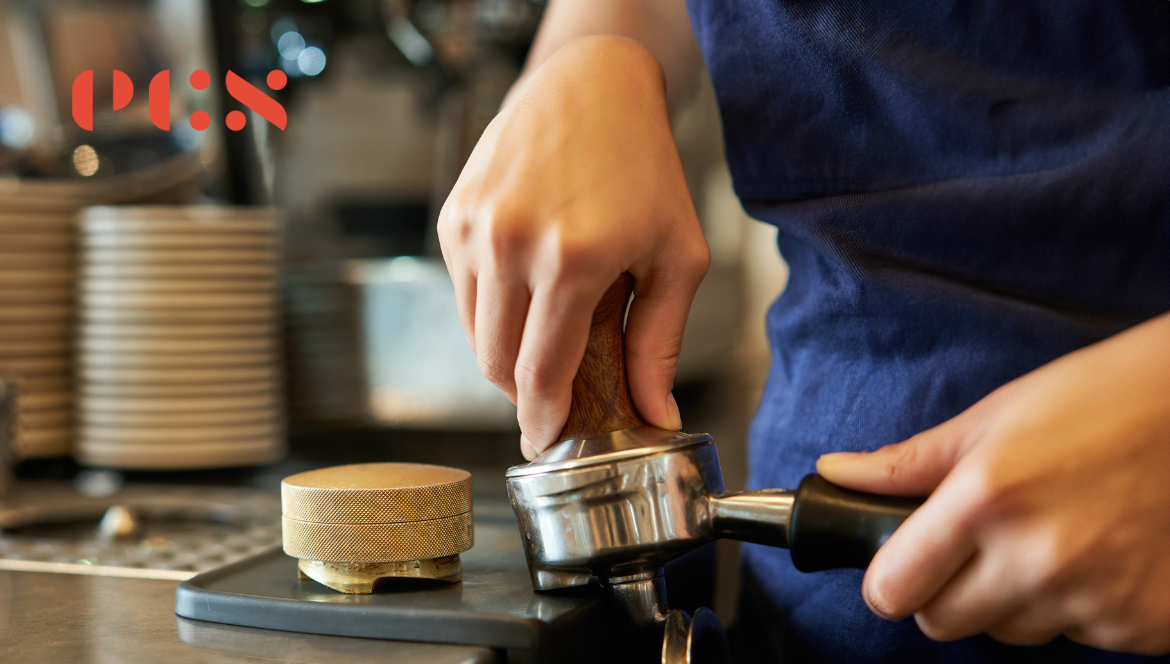 All about a good tamping
To make good coffee, it is important to have the right equipment, quality coffee and not only. It is also necessary...Read more
All about a good tamping
To make good coffee, it is important to have the right equipment, quality coffee and not only. It is also necessary...Read more -
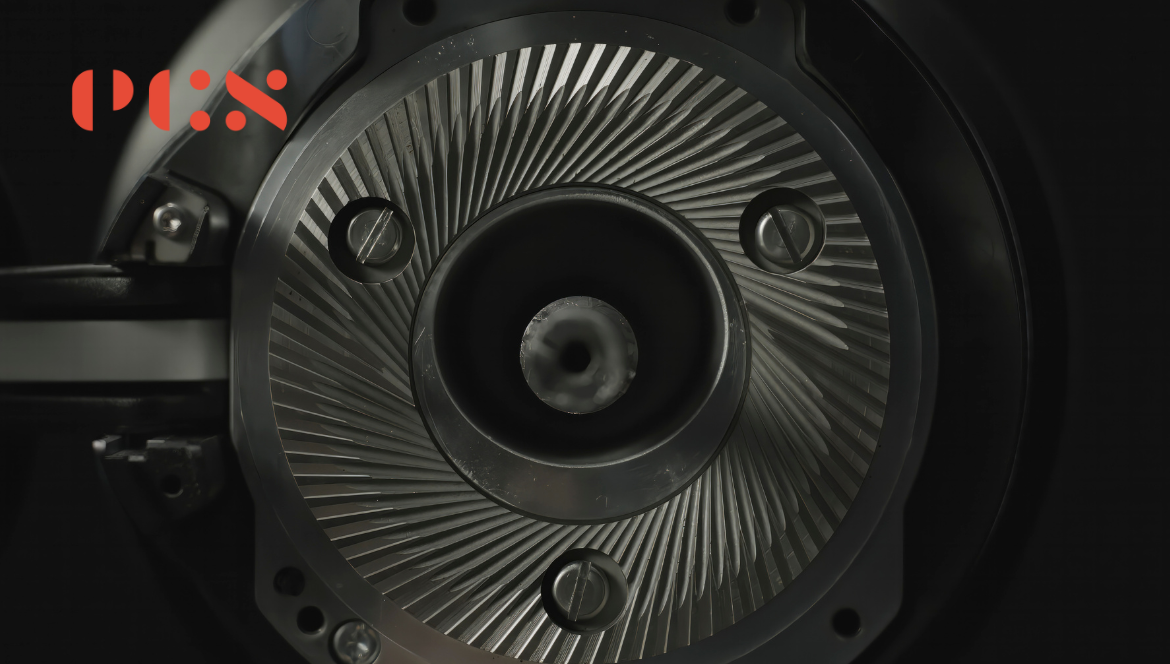 Flat or conical burrs? That is the question
The coffee grinder is among the most important equipment for any barista and home barista. When it comes to choosing...Read more
Flat or conical burrs? That is the question
The coffee grinder is among the most important equipment for any barista and home barista. When it comes to choosing...Read more -
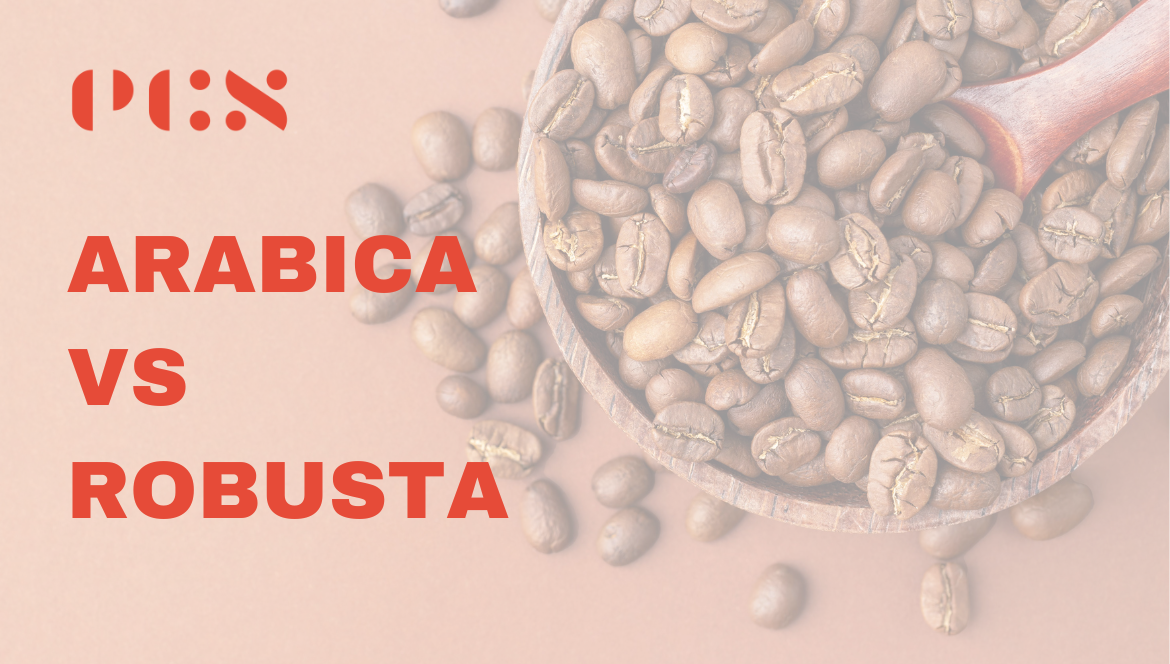 Arabica vs. Robusta: the main differences between the two most popular coffee varieties
When it comes to choosing the perfect coffee, there are two names that immediately come to mind: Arabica and...Read more
Arabica vs. Robusta: the main differences between the two most popular coffee varieties
When it comes to choosing the perfect coffee, there are two names that immediately come to mind: Arabica and...Read more
Leave a comment