




Single origin or blend: which makes better espresso? This guide compares flavour, consistency and ease of dialling...
-
 Single Origin Coffee vs Blends: Which is Better for Espresso?Read more2026-11-25
-
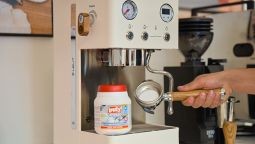 How to Deep Clean Your Espresso Machine: A Complete GuideRead more
Learn how to deep clean the best espresso machine in your kitchen with this UK guide. It covers backflushing,...
2026-11-25 -
 Stepped vs Stepless Grinders: Which is Better for Espresso?Read more
Stepped or stepless espresso grinder? Learn how each adjustment system works, where each one shines, and which suits...
2026-11-23 -
 Maintenance tips to keep your Rocket Espresso machine pulling perfect shots for yearsRead more
Keep your coffee espresso machine pulling perfect shots for years. This guide covers daily habits, weekly...
2026-11-20 -
 Mahlkönig E64 WS reviewed: why it's our best-selling grinder and what makes it specialRead more
The Mahlkönig E64 WS is a home espresso grinder that weighs every dose to 0.1 g with Grind-by-Weight, offers...
2026-10-30 -
 Milk Jugs for Latte Art: Size, Shape and Material GuideRead more
Choosing the right milk jug can make latte art easier to learn and more consistent to repeat. This guide covers jug...
2026-10-26 -
 Cold Brew vs Iced Espresso: Key Differences and How to Make BothRead more
Cold brew and iced espresso both cool down your coffee routine, but they are made and taste very different. Cold brew...
2026-10-23 -
 Eureka Atom vs. Eureka Oro: a detailed comparison for the discerning home baristaRead more
Eureka Atom or Eureka Oro? Compare speed, burrs, hopper size, noise and current UK prices to find the right grinder...
2026-10-22 -
 Why the Profitec Go is our best-selling espresso machine and why customers love itRead more
The Profitec Go has earned its place as our top-selling espresso machine by striking the right balance between...
2026-09-29 -
 Eureka grinders: the Italian craftsmanship behind some of the quietest grinders on the marketRead more
Eureka has spent over a century refining the art of Italian grinder engineering, and quiet operation is where that...
2026-09-28
Blog categories
Search in blog
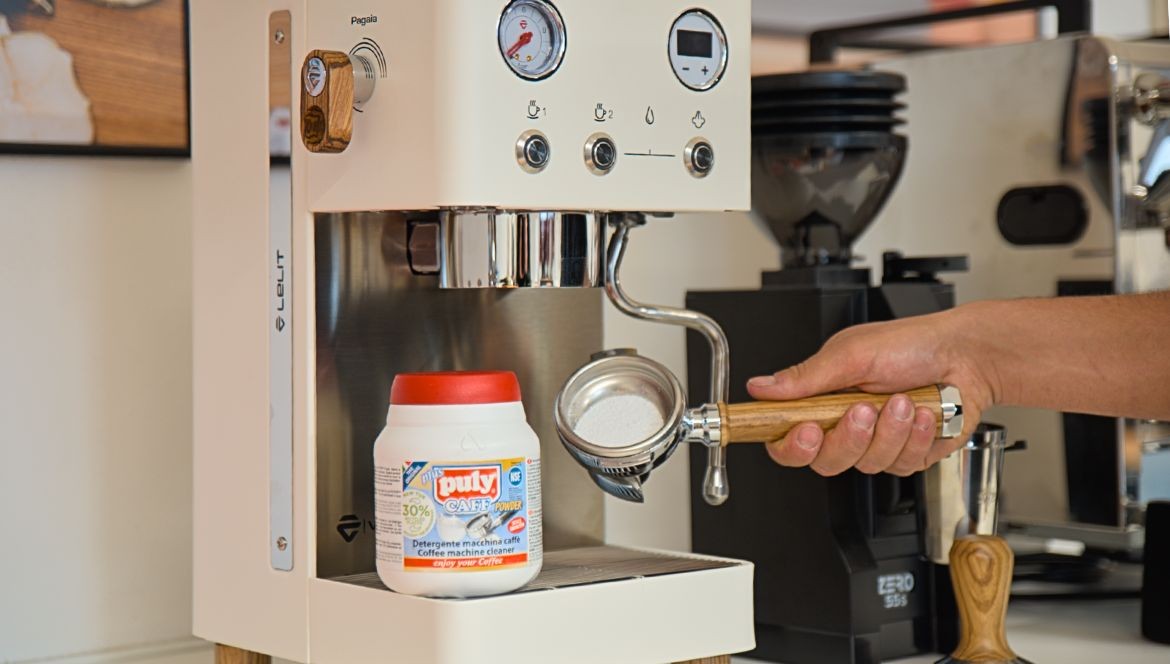
How to Deep Clean Your Espresso Machine: A Complete Guide
Your shots run slow, the coffee tastes flat, and the group head looks grim. Sound familiar? A proper deep clean usually fixes these problems, and it protects the investment you made when you chose the best espresso machine for your kitchen.
Coffee oils, limescale and stale grounds build up in every machine, from an entry-level starter to a prosumer dual boiler. This guide walks you through a full deep clean, step by step, with advice tuned to UK water and everyday home use.
Why Deep Cleaning Matters for Your Home Barista Machine
Rancid coffee oils are the main cause of bitter, sour or "off" flavours. They coat the group head, shower screen and portafilter, and they taste worse the longer they sit.
Limescale is the second culprit. Much of the UK has hard water, especially London and the South East. Scale narrows pipes, strains heating elements and can shorten the life of even the best coffee machines UK buyers can find.
Regular cleaning also keeps pressure and temperature stable, so your grind and dose settings behave as they should. If you are still choosing a machine, our espresso machines range shows what each model needs in terms of upkeep.
What You Need Before You Start
You do not need a lab. A few well-chosen coffee accessories make the job quick and safe:
-
Espresso machine cleaning powder or tablets (not washing-up liquid)
-
A blind basket (a portafilter basket with no holes) for backflushing
-
A group head brush and a soft microfibre cloth
-
A descaler that suits your boiler type
-
A clean milk jug and a small bowl for soaking parts
Browse our coffee accessories for brushes, cleaning tools and other barista essentials in one place.
Check your manual first. Some machines should not be backflushed with detergent, and descaling steps vary between single-boiler, heat exchanger, and dual-boiler designs.
Step-by-Step: Deep Cleaning the Group Head, Portafilter and Steam Wand
1. Backflush the group head
Backflushing pushes cleaning solution back through the three-way valve and clears hidden residue. Only do this if your machine has a three-way solenoid valve.
-
Fit the blind basket and add a small scoop of cleaning powder.
-
Lock in the portafilter and run the pump for 10 seconds, then pause for 10 seconds.
-
Repeat five times.
-
Remove the portafilter, rinse it, then flush with fresh water until the water runs clear.
2. Soak the portafilter and baskets
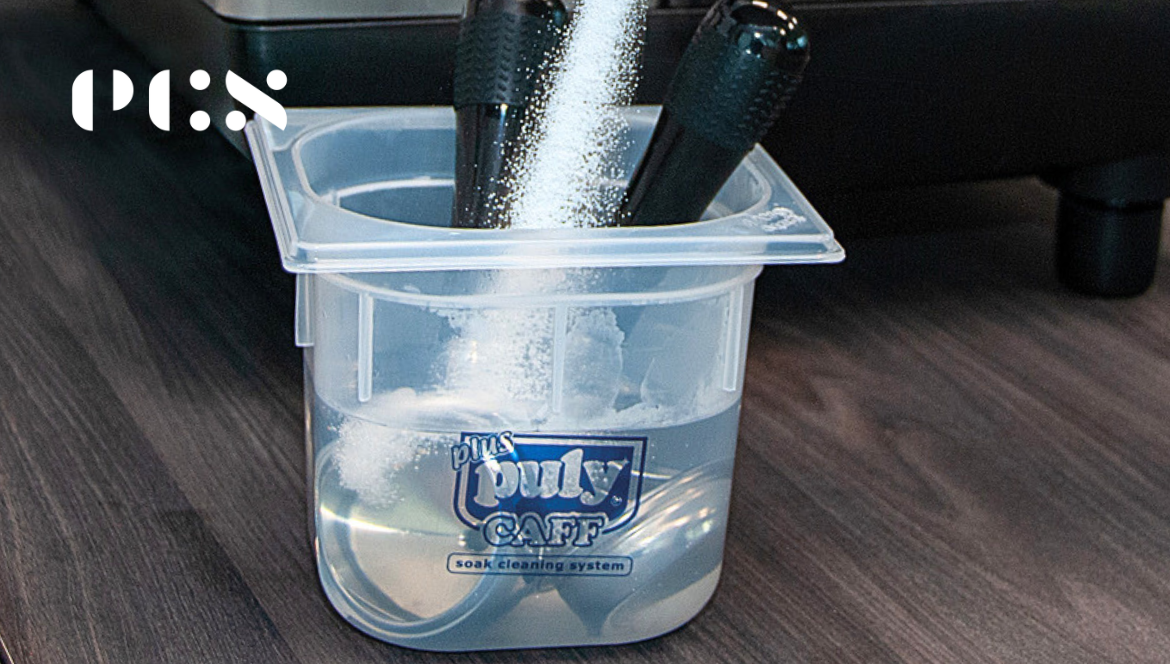
Dissolve cleaning powder in hot water and soak the portafilter, baskets and spouts for 20 to 30 minutes. Rinse well. Scrub the shower screen with the group head brush while the portafilter is out.
3. Clean the steam wand
Wipe the wand after every use. For a deep clean, soak the tip in cleaning solution for 15 minutes, then purge steam for a few seconds. Blocked holes are a common reason for weak, noisy steaming.
4. Wash the drip tray and exterior
Empty the drip tray and wash it with warm water. Wipe the body with a damp cloth. Avoid abrasive pads, which scratch stainless steel and painted panels.
Common mistakes to avoid
Most damage comes from good intentions. Skip these:
-
Using washing-up liquid, which leaves residue and affects taste.
-
Soaking electrical parts or the machine body in water.
-
Running descaler through the steam wand without following the instructions.
-
Skipping the final rinse, which leaves a chemical aftertaste.
How to Descale Without Damaging Your Machine
Descale when the manufacturer recommends it, or sooner if you live in a hard water area. Signs you are overdue include slow water flow, louder pump noise and white flakes in the cup.
Follow the descaler instructions exactly and never leave it sitting in the boiler longer than directed. Afterwards, run several tanks of fresh water through the machine and the steam wand to remove any taste.
The easier route is prevention. A filter such as BWT water filters reduces scale and improves flavour, and the brand's hardness test kit helps you pick the right setting.
A real-world example
Consider a home user in Kent with a dual boiler machine and untreated tap water. After about eight months, her shots slowed, and the pump grew louder. A descaling and a thorough backflush restored normal flow in one afternoon. She then fitted a filter cartridge, and descaling went from every few months to roughly once a year.
A Simple Cleaning Schedule
Little and often beats occasional heroics. Use this as a baseline:
-
After every shot: Wipe the portafilter and purge the group head.
-
After every milk drink: Wipe and purge the steam wand.
-
Daily: Rinse baskets, empty the drip tray and refill the tank with fresh water.
-
Weekly: Backflush with detergent and soak the portafilter parts.
-
Every 2 to 3 months: Descale (more often in hard water areas).
Do not forget your coffee grinder. Old grounds and oils in the burr chamber taste just as bad as a dirty group head, so brush it out weekly.
Keeping the Best Espresso Machine Performing for Years
Even the best espresso machine needs routine care to taste its best. Compact single-boiler models, such as the one covered in our guide on why the Profitec Go is our best-selling espresso machine, reward owners who clean consistently.
If you are weighing up a step up, our comparison of the Lelit Bianca and ECM Synchronika shows how dual-boiler designs differ in daily use, which affects how you clean and maintain them.
A few habits make the biggest difference:
-
Use filtered water whenever possible.
-
Keep a written log of your descaling dates.
-
Replace worn gaskets and shower screens as part of regular servicing.
Conclusion
A deep clean takes under an hour and pays you back in better flavour, steadier pressure and a longer machine life. Backflush weekly, descale on schedule and treat your water, and your home barista machine will keep pulling great shots.
The best espresso machine is the one you look after. Ready to stock up on cleaning essentials or upgrade your setup? Shop cleaning and descaling products at Espressocoffeeshop today, and explore our full range of machines while you are there.
FAQs
1. How often should I deep clean my espresso machine?
Backflush and soak the portafilter parts weekly, and descale every 2 to 3 months. Hard water areas may need more frequent descaling.
2. Can I use vinegar to descale my machine?
It is not recommended. Vinegar can damage seals and leave a lingering taste. Use a descaler made for espresso machines.
3. Can every machine be backflushed?
No. Only machines with a three-way solenoid valve should be backflushed with detergent. Check your manual first.
4. What happens if I never clean my machine?
Flavours turn bitter, flow slows, and scale can damage the boiler and pump, leading to costly repairs.
5. Does filtered water really help?
Yes. Filtered water reduces limescale, protects internal parts and gives a cleaner, sweeter cup.
Related posts
-
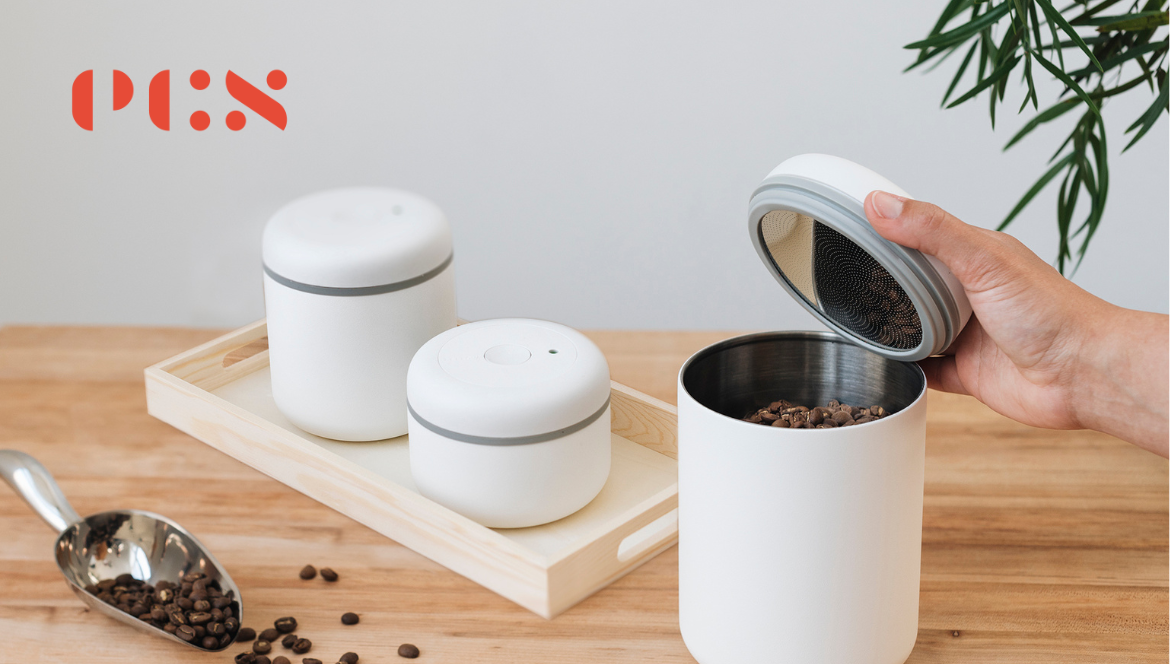 How to properly store coffee
If you, too, are a true coffee enthusiast, meticulously selecting the varieties you like best and eagerly...Read more
-
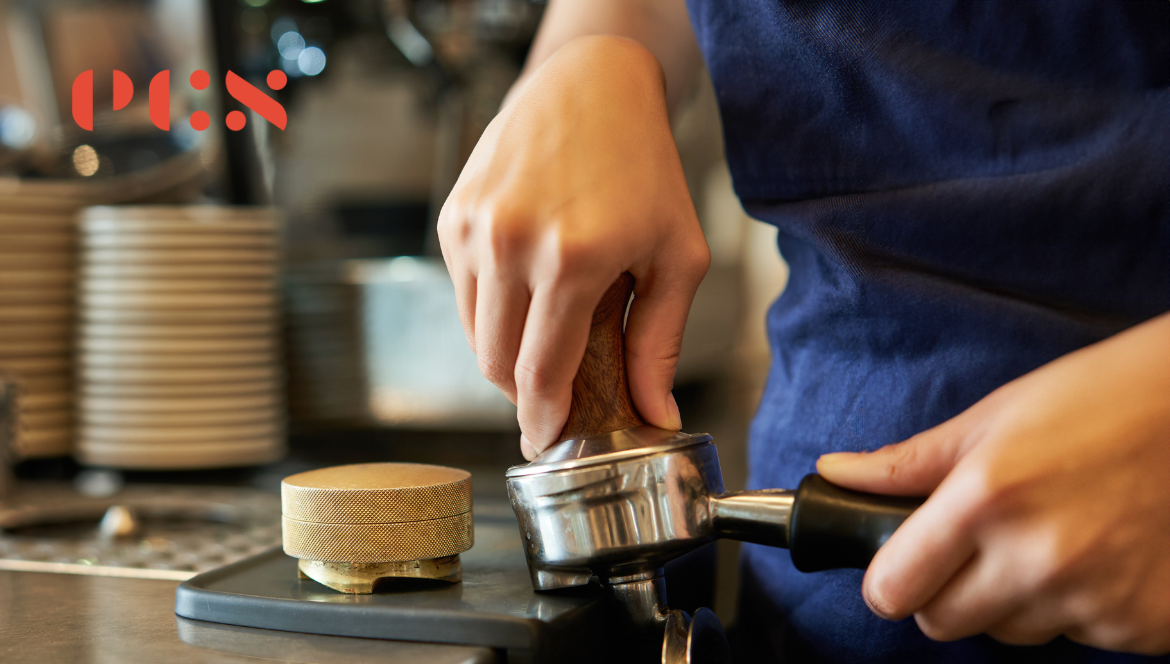 All about a good tamping
To make good coffee, it is important to have the right equipment, quality coffee and not only. It is also necessary...Read more
-
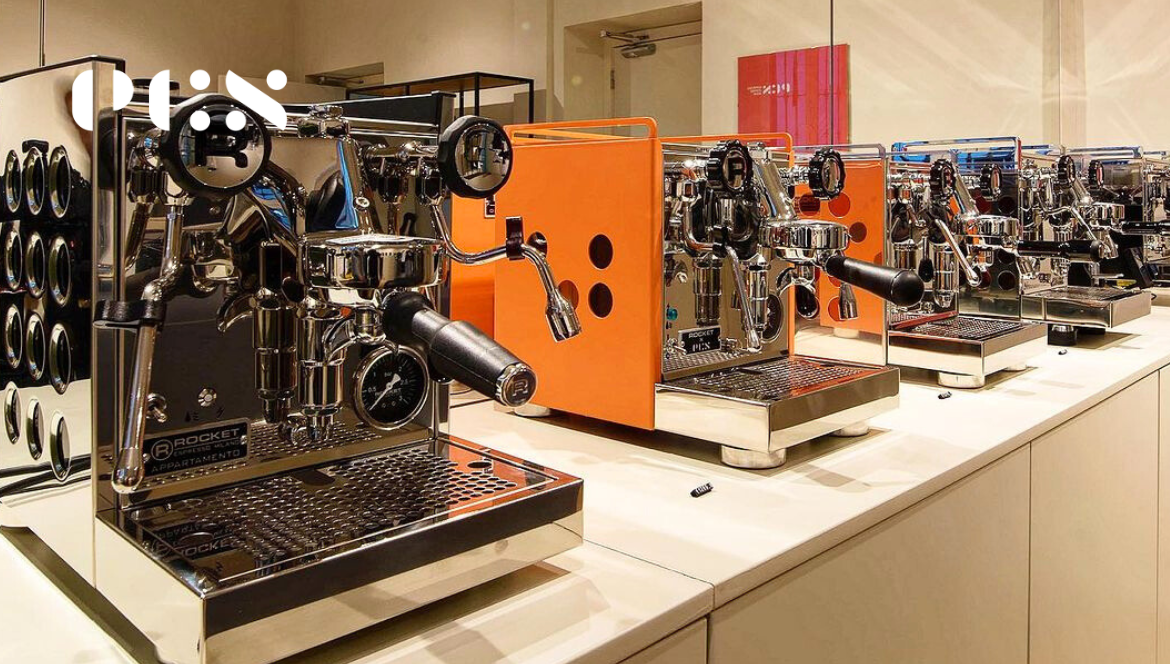 The first store Espresso Coffee Shop in Italy!
We are excited to announce the opening of our Temporary Shop in Milan, an must-visit meeting point for all coffee...Read more
-
 Spring cleaning? It's the perfect time to clean your coffee equipment, too
Spring is in the air, bringing the desire to renovate, tidy and... clean! Besides sprucing up your home and closets,...Read more
-
 Single Boiler vs Dual Boiler vs Heat Exchanger: Which Espresso Machine is Right for You?
Choosing between single-boiler, heat-exchanger, and dual-boiler espresso machines comes down to how you brew, your...Read more